The DNA That Could Revive Mammoths! | Expedition Unknown S3 E6
The DNA That Could Revive Mammoths! | Expedition Unknown S3 E6

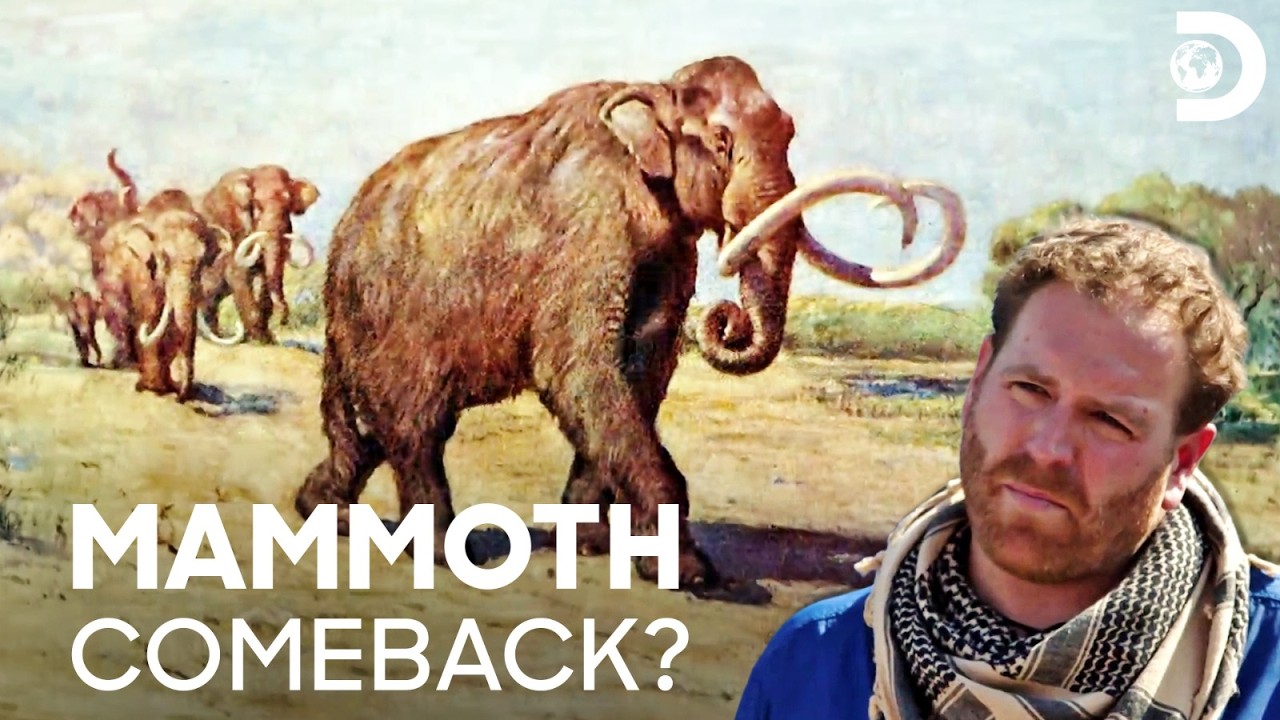
For centuries, the woolly mammoth has captured the imagination of scientists, historians, and dreamers alike. Towering over the frozen landscapes of the Ice Age, these magnificent creatures once roamed vast territories stretching from Europe to North America. They disappeared thousands of years ago, leaving behind only fossils, frozen remains, and endless questions. But what if extinction was not the end of their story?
In Expedition Unknown Season 3 Episode 6, titled Journey to the Ice Age, explorer Josh Gates embarks on an extraordinary adventure into the frozen wilderness of Siberia in search of one of science’s most valuable treasures: preserved mammoth DNA. The episode explores a fascinating possibility that once belonged only to science fiction—the potential revival of the woolly mammoth through modern genetic technology.
The journey begins in one of the harshest environments on Earth. Gates travels deep into Siberia, where permanently frozen ground known as permafrost has preserved the remains of Ice Age animals for thousands of years. The Arctic cold acts as a natural freezer, protecting bones, tusks, hair, and even soft tissues that would have otherwise decomposed long ago. Scientists believe these frozen remains may contain genetic material valuable enough to unlock the secrets of mammoth biology.
One of the most dramatic locations featured in the episode is the massive Batagay Crater, sometimes referred to as the “Gateway to the Underworld.” This enormous sinkhole exposes layers of ancient permafrost and has become an important site for paleontologists searching for Ice Age fossils. Gates collects samples from this remote region, hoping they may contain DNA preserved well enough for scientific analysis.




The search for mammoth DNA is not merely an archaeological curiosity. Around the world, geneticists are studying whether extinct species could someday be brought back through a process known as de-extinction. The idea sounds incredible, but advances in genetics have brought scientists closer than ever before to recreating certain traits of extinct animals. Modern researchers have successfully sequenced large portions of mammoth genomes and continue to discover remarkably preserved genetic material from frozen specimens.
After collecting samples in Siberia, Gates follows the scientific process into the laboratory. There, experts examine the ancient remains using sophisticated techniques designed to isolate and analyze tiny fragments of DNA. This stage of the investigation highlights one of the greatest challenges facing de-extinction efforts: time itself.
DNA begins to break down after an organism dies. Even in frozen environments, genetic material becomes fragmented over thousands of years. Scientists rarely find complete mammoth DNA sequences. Instead, they must piece together millions of small fragments like an enormous biological puzzle. This painstaking work requires advanced sequencing technology and extensive comparison with the genomes of living relatives, particularly Asian elephants.
The connection between mammoths and elephants is central to the possibility of revival. Asian elephants share much of their genetic makeup with woolly mammoths, making them the closest living relatives of the extinct giants. Rather than creating a perfect clone, many researchers envision inserting mammoth-specific genes into elephant DNA. The resulting animal would possess key mammoth characteristics, including thick fur, cold resistance, and specialized fat storage.
The concept raises fascinating scientific possibilities. Some researchers argue that mammoth-like animals could even help restore Arctic ecosystems by recreating grazing patterns that once shaped northern grasslands. Others see de-extinction technology as a powerful tool for biodiversity conservation, potentially helping endangered species survive future environmental challenges.
However, the episode also highlights the enormous obstacles that remain. Recovering DNA is only the first step. Scientists must determine how to create viable embryos, manage development, and ensure healthy births. Even if mammoth-like animals are eventually produced, many experts question whether they would truly be woolly mammoths or simply genetically modified elephants carrying mammoth traits.
Ethical questions further complicate the debate. Should humanity devote resources to reviving extinct species when many living animals face extinction today? Would recreated mammoths thrive in modern ecosystems? Could unforeseen environmental consequences arise from introducing such animals into the wild? These concerns continue to fuel intense discussion within the scientific community.
Recent breakthroughs suggest that the field continues to advance rapidly. Researchers have recovered increasingly detailed genetic information from mammoth remains, including ancient RNA and remarkably preserved chromosomal structures. These discoveries provide scientists with valuable insights into how mammoths functioned biologically and how their unique adaptations evolved over time.
What makes Expedition Unknown Season 3 Episode 6 so compelling is its ability to place viewers at the intersection of exploration and cutting-edge science. Gates’ journey through frozen landscapes, remote fossil sites, and advanced laboratories transforms a complex scientific topic into an exciting adventure. The episode reminds viewers that some of the world’s greatest discoveries are still waiting beneath layers of ice and earth.
By the conclusion of the episode, one question remains at the forefront: could mammoths truly walk the Earth again? The answer remains uncertain. While science has made extraordinary progress, the resurrection of an extinct species remains one of the most ambitious challenges in modern biology. Yet every new DNA sample, every breakthrough in genetic engineering, and every discovery preserved in the Arctic brings researchers one step closer to understanding whether de-extinction is possible.
The woolly mammoth may have vanished thousands of years ago, but thanks to scientific exploration and the relentless pursuit of knowledge, its story is far from over. In the frozen soil of Siberia, fragments of ancient DNA continue to offer a tantalizing glimpse into a future where the giants of the Ice Age might once again roam the Earth.