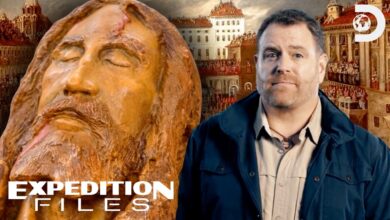
Josh Gates Faces Religious Taboos: The Hunt for the Ark of the Covenant Begins with Horrifying Discoveries | Expedition Unknown S3 E12
Josh Gates Faces Religious Taboos: The Hunt for the Ark of the Covenant Begins with Horrifying Discoveries | Expedition Unknown S3 E12

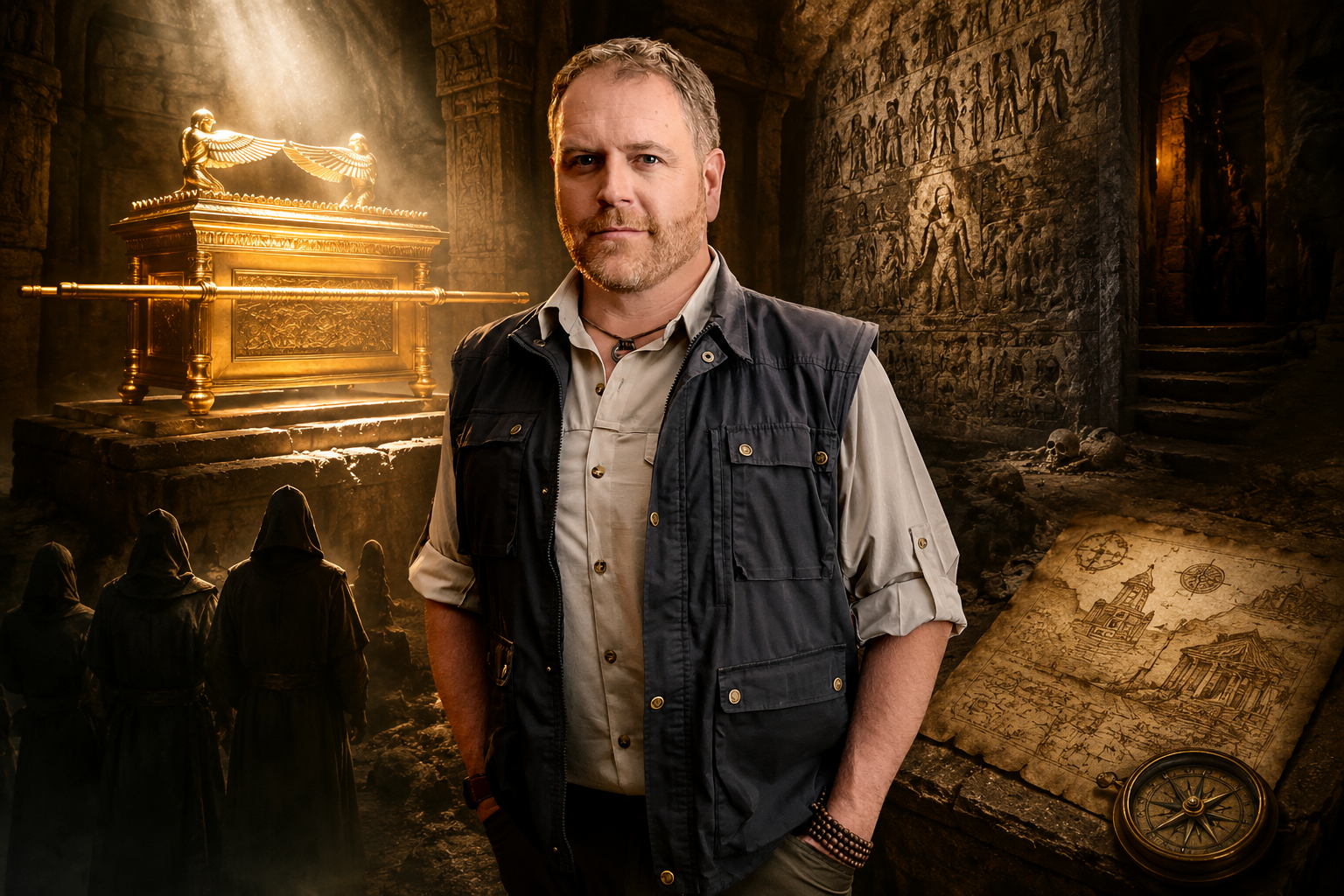
In one of the boldest and most tension-filled episodes of Expedition Unknown, Josh Gates confronts the explosive intersection of faith, politics, and archaeology in Season 3, Episode 12, “The Ark of the Covenant.” Titled with a nod to forbidden knowledge and sacred boundaries, this installment sees Gates stepping into religious taboos that have guarded one of history’s most powerful relics for millennia. What begins with promising leads beneath the holy city of Jerusalem quickly descends into claustrophobic danger, collapsing tunnels, and profound cultural barriers—moments that feel both horrifying and humbling. Gates’ signature humility shines as he repeatedly reminds viewers and himself: “I’m not Indiana Jones,” yet his willingness to push limits delivers edge-of-your-seat adventure grounded in respect for living traditions.
The Ark of the Covenant remains one of humanity’s ultimate religious enigmas. Described in the Hebrew Bible as a gold-overlaid acacia wood chest containing the stone tablets of the Ten Commandments, it was more than a container—it was the earthly throne of God, carried into battle and said to unleash devastating divine power, including walls of fire and plagues upon enemies. After residing in Solomon’s First Temple, the Ark vanished following the Babylonian destruction of Jerusalem in 586 BCE. Legends of its fate have proliferated: hidden in secret chambers, transported to distant lands, or destroyed. Gates approaches the mystery with open curiosity, blending historical scholarship with on-site exploration.
The episode launches in Jerusalem, where religious and political sensitivities create an almost impenetrable taboo around excavation near the Temple Mount. Gates meets archaeologist Avi Solomon, who explains the immense ramifications of digging in one of the world’s most contested holy sites. Any disturbance risks igniting tensions among Jewish, Muslim, and Christian communities. This is where the “horrifying discoveries” begin—not supernatural curses, but the very real dangers of exploring ancient, unstable infrastructure beneath a powder-keg city.
Undeterred, Gates joins archaeologist Scott Stripling and rappelling expert Alon Malachi to investigate a newly identified tunnel system potentially linked to the Temple Mount. Descending into narrow, unmapped shafts sealed for centuries, the team enters a world of choking dust, poor air quality, and imminent structural collapse. Gates’ voiceover captures the terror: the tunnels grow tighter, the air barely breathable, and the ancient passages feel like they could entomb the explorers at any moment. They uncover a historical signature from 19th-century explorer Conrad Schick etched into the stone—a thrilling connection to past seekers—but their progress halts dramatically when a collapse blocks the path ahead. The horrifying reality of being trapped underground in an unstable ancient network, surrounded by “Jehovah knows what,” underscores the physical and psychological risks Gates willingly faces.

These moments highlight the episode’s core tension: the Ark’s possible resting place lies behind layers of religious prohibition and literal physical barriers. Digging beneath the Temple Mount has historically sparked riots and international incidents. Gates respects these boundaries while illuminating why the search remains so charged. The “forbidden” nature of the quest amplifies its mystique—much like the biblical warnings about approaching the Ark unworthily.
From the claustrophobic dangers of Jerusalem, Gates travels to Ethiopia, following one of the strongest living traditions surrounding the relic. According to the Kebra Nagast, Ethiopia’s national epic, the Ark was brought to the kingdom by Menelik I, son of Solomon and the Queen of Sheba. In Axum, Gates partners with local guide Sisay Tsegay and biblical investigator Bob Cornuke. They visit the monastery of Abba Pantaleon to study ancient texts and the Church of Our Lady Mary of Zion, where Ethiopian Orthodox tradition holds that the Ark is guarded to this day by a single lifelong Guardian monk. Access to the inner chapel is strictly forbidden to all outsiders—a profound religious taboo that Gates honors.
The journey continues across Lake Tana to the isolated Tana Kirkos Island, where Abbot Gabriel grants rare access to the monastery’s treasury. Here, the team views ancient artifacts possibly transported alongside the Ark centuries ago. Returning to Axum’s stelae field, with its towering obelisks, they examine historical depictions and meet the current Guardian, who affirms the church as the “home of God.” These segments offer a powerful contrast to Jerusalem’s underground perils: instead of physical collapse, Gates encounters the immovable walls of faith and tradition. The deep reverence of the Ethiopian people for their guardianship role leaves a lasting impression, suggesting the Ark’s true power may lie in its ability to inspire unwavering belief.
Throughout the episode, Gates consults experts like archaeometallurgist Sariel Shalev to assess the historical and material plausibility of the Ark’s construction and movement. He weighs competing theories without sensationalism—could it still lie beneath Jerusalem’s contested ground, or has it been preserved in Africa? The search reveals how the relic has influenced scripture, crusades, and modern culture, most famously inspiring Raiders of the Lost Ark.
Gates’ reflections provide the episode’s emotional core. Confronting both literal dangers in collapsing tunnels and the metaphorical weight of religious taboos, he concludes that the Ark’s power persists even in absence. It can still spark conflict, cement faith, and drive exploration. Echoing Indiana Jones, he muses that perhaps some things “man was not meant to disturb,” best left in the realm of legend.
The Enduring Allure and Challenges
The Ark embodies humanity’s deepest questions about divinity, covenant, and lost heritage. Religious taboos protecting sacred sites preserve cultural identity but also shroud potential truths. Modern tools like ground-penetrating radar offer hope for non-invasive study, yet political realities in Jerusalem and guarded traditions in Ethiopia continue to limit breakthroughs.
Expedition Unknown S3 E12 excels by respecting these complexities. Gates doesn’t raid or desecrate; he investigates ethically, highlighting the human stories behind the mystery. The horrifying tunnel sequences deliver visceral adventure, while the Ethiopian segments provide cultural depth and spiritual insight.
Viewers finish the episode not with a definitive location but with greater appreciation for the Ark’s multifaceted power—historical, religious, and symbolic. Josh Gates may not wield a whip, but his courage in facing both physical perils and sacred prohibitions makes this a standout chapter in the series. It reminds us that some quests matter most for the journey they inspire and the respect they demand.
In an age where ancient mysteries increasingly collide with modern sensitivities, Gates’ hunt for the Ark stands as a thoughtful exploration of faith, danger, and the unknown. Whether hidden beneath stone walls and explosive politics or safeguarded in a distant sanctuary, the Covenant continues to captivate. This episode invites audiences to ponder not just where the Ark might be, but why its legend endures so powerfully.