A Creature Lost To History Returns? | Expedition Unknown S3 E9
A Creature Lost To History Returns? | Expedition Unknown S3 E9

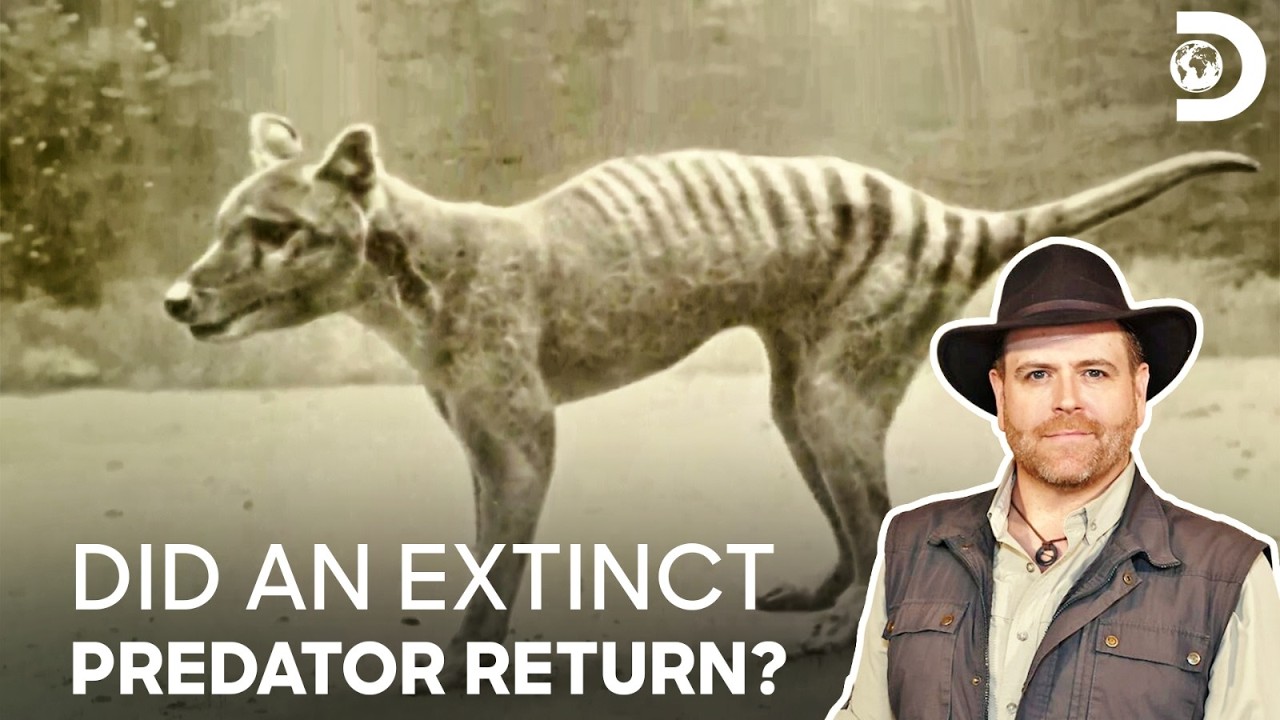
For more than 80 years, the world has believed that the Tasmanian tiger, also known as the thylacine, vanished forever. Officially declared extinct after the last known captive animal died in 1936, the mysterious predator became one of the greatest symbols of humanity’s impact on wildlife. Yet despite its disappearance, rumors of surviving thylacines have never faded.
In Expedition Unknown Season 3, Episode 9, Josh Gates travels to the rugged wilderness of Tasmania to investigate one of the most fascinating questions in modern zoology: Could the Tasmanian tiger still be alive? The episode follows Gates as he examines eyewitness reports, analyzes photographic evidence, and ventures deep into remote regions where some believe the legendary animal continues to roam. The episode centers on the long-standing mystery surrounding the thylacine and the possibility that this supposedly extinct creature may have escaped extinction altogether.
The thylacine was unlike any other predator on Earth. Native to Tasmania, it possessed the appearance of a dog, the striped back of a tiger, and a pouch like a kangaroo. As the world’s largest known carnivorous marsupial, it occupied a unique place in Australia’s ecosystem. Early European settlers often blamed the animal for attacks on livestock, leading to widespread hunting campaigns that dramatically reduced its population.
By the early twentieth century, the species was in serious decline. Habitat loss, hunting, disease, and competition from introduced species pushed the thylacine toward extinction. When the last captive specimen died at Hobart Zoo in 1936, most scientists assumed the species was gone forever. Yet almost immediately, reports of sightings began to emerge from Tasmania’s remote forests.


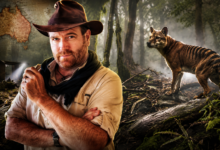

These reports have continued for decades.
Hunters, farmers, hikers, and wildlife enthusiasts have all claimed to encounter strange striped animals matching descriptions of the thylacine. Some witnesses describe seeing a dog-like creature with a stiff tail and unusual gait. Others report hearing unfamiliar calls deep within the wilderness. Although none of these accounts have produced definitive proof, they have fueled one of the most enduring wildlife mysteries in history.
Josh Gates begins his investigation by meeting with experts who have dedicated years to studying thylacine sightings. These researchers explain that Tasmania contains vast stretches of dense wilderness where human activity remains limited. If a small population of thylacines somehow survived, they argue, the island’s remote terrain could provide the perfect refuge.
The episode explores several intriguing pieces of evidence. Gates reviews photographs and videos submitted by witnesses who believe they captured images of the elusive animal. While many sightings can be explained as misidentified dogs, wallabies, or other wildlife, some cases remain difficult to dismiss entirely.
One of the most compelling aspects of the investigation involves modern camera-trap technology. Across Tasmania, researchers have installed motion-activated cameras in hopes of capturing proof of surviving thylacines. These devices have revolutionized wildlife monitoring and have successfully documented species previously thought to be extremely rare. Gates joins teams working in the field as they search through thousands of images collected from remote locations.
The landscapes featured in the episode add to the sense of mystery. Tasmania’s wilderness is breathtakingly beautiful, filled with ancient forests, mist-covered mountains, and isolated valleys that appear virtually unchanged for centuries. Walking through these environments, it becomes easy to understand why stories of hidden animals continue to thrive.
The search takes Gates into some of the most inaccessible regions of the island. Trekking through dense vegetation and challenging terrain, he follows leads from recent eyewitnesses who claim to have seen unusual creatures. Each location presents new possibilities while also highlighting the immense difficulty of finding a single elusive animal in millions of acres of wilderness.
The episode also examines the psychology of eyewitness testimony. Experts explain that human memory can be unreliable, especially during brief encounters with unexpected animals. A glimpse lasting only a few seconds can sometimes create confusion, leading people to interpret what they saw based on prior beliefs or expectations. This scientific perspective helps balance the excitement surrounding the mystery.
Yet there are reasons why the thylacine continues to intrigue researchers.
History contains several examples of species that were believed extinct only to be rediscovered years later. Animals such as the coelacanth fish and the takahe bird surprised scientists by surviving in isolated environments long after they were presumed lost. These remarkable rediscoveries demonstrate that nature can still hold unexpected secrets.
As Gates interviews zoologists and conservation experts, an important question emerges: What if the thylacine were actually rediscovered? Such a discovery would rank among the greatest wildlife findings of the century. It would transform conservation efforts, attract global scientific attention, and fundamentally change our understanding of extinction.
The possibility, however remote, keeps researchers searching.
One of the strengths of Expedition Unknown is its ability to blend scientific investigation with adventure. Rather than treating the mystery as pure speculation, the episode carefully examines available evidence while acknowledging the limitations of current knowledge. Gates approaches the subject with curiosity and skepticism in equal measure, allowing viewers to appreciate both the excitement of discovery and the importance of scientific rigor.
By the conclusion of the episode, no definitive proof emerges that the Tasmanian tiger still exists. No living thylacine steps out of the forest, and no photograph settles the debate once and for all. Nevertheless, the investigation reveals why the mystery continues to endure after so many decades.
The search itself becomes a reminder of humanity’s fascination with the unknown. Whether exploring ancient ruins, searching for lost treasures, or investigating creatures thought extinct, people are drawn to mysteries that challenge conventional wisdom. The thylacine represents one of the greatest of those mysteries.
For viewers, the episode offers more than just a wildlife investigation. It serves as a reflection on extinction, conservation, and the fragile relationship between humans and nature. The disappearance of the Tasmanian tiger stands as a cautionary tale about the consequences of environmental destruction, while the hope of its survival represents humanity’s enduring desire for second chances.
In the end, A Creature Lost To History Returns? leaves audiences with a tantalizing possibility. Perhaps somewhere in Tasmania’s vast wilderness, hidden among ancient forests and remote valleys, a small population of thylacines still survives. Until definitive evidence proves otherwise, the legend of the Tasmanian tiger will continue to inspire explorers, scientists, and dreamers around the world.
And as Josh Gates demonstrates throughout this unforgettable adventure, sometimes the greatest discoveries begin with a simple question: What if the impossible is still out there waiting to be found?