Josh Gates Investigates The Dyatlov Pass Incident Mystery! | Expedition Unknown
Josh Gates Investigates The Dyatlov Pass Incident Mystery! | Expedition Unknown

Into One of History’s Coldest Mysteries


Few unsolved mysteries have gripped the world quite like the Dyatlov Pass incident. In 1959, nine experienced hikers set out on a trek through the Ural Mountains of Russia—but never returned. What followed was a chilling discovery that would spark decades of speculation, fear, and investigation.
Now, explorer and television host Josh Gates dives deep into the case in an unforgettable episode of Expedition Unknown. Combining modern science, field exploration, and historical analysis, Gates attempts to uncover what really happened on that fateful night.
The Night That Changed Everything


The original incident remains as haunting today as it was over six decades ago. The hikers’ tent was found torn open from the inside, suggesting a sudden and desperate escape into subzero temperatures. Footprints indicated that the group fled barefoot or in socks, heading into the darkness.
Search teams later discovered their bodies scattered across the snow-covered terrain. Some victims showed signs of hypothermia, while others suffered severe internal injuries—without visible external trauma. One of the most puzzling details was the report of missing eyes and tongue in certain cases, fueling even more speculation.
For years, theories have ranged from avalanches and military experiments to infrasound-induced panic and even paranormal explanations. The lack of definitive answers has kept the mystery alive in the public imagination.


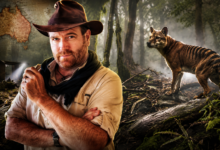

Josh Gates Steps Into the Unknown


In Expedition Unknown, Josh Gates brings his signature curiosity and determination to the Dyatlov Pass case. Known for tackling some of the world’s most perplexing mysteries, Gates approaches the investigation with a balance of skepticism and open-mindedness.
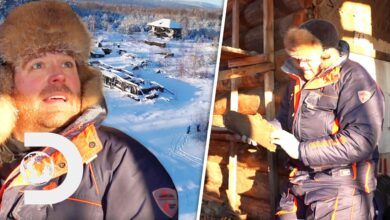
Traveling to the remote Ural region, he retraces the hikers’ route, experiencing firsthand the brutal conditions they faced. From navigating deep snow to enduring freezing winds, Gates gains a new appreciation for the challenges of the terrain.
But his mission goes beyond reenactment. By consulting scientists, historians, and forensic experts, Gates pieces together a more comprehensive picture of the events leading up to the tragedy.
Testing the Avalanche Theory


One of the leading explanations explored in the episode is the avalanche theory. For years, critics argued that the slope where the hikers camped was too gentle to produce a significant avalanche. However, recent scientific models suggest that a delayed slab avalanche could have occurred under the right conditions.
Gates participates in experiments designed to test this possibility, examining how shifting snow layers might create sudden pressure on a tent. The idea is that even a small avalanche could have caused enough fear and injury to prompt the hikers to flee.
While this theory explains some aspects of the incident—such as the damaged tent and internal injuries—it doesn’t fully account for all the strange details, leaving room for further debate.
The Role of Infrasound and Panic


Another intriguing theory involves infrasound—low-frequency sound waves that can affect human perception and emotions. Under certain wind conditions, the mountain’s shape could have generated these waves, potentially causing anxiety, disorientation, or even panic among the hikers.
Gates explores this possibility by recreating similar environmental conditions and consulting experts in acoustics. While the concept is scientifically plausible, proving its role in the Dyatlov incident remains challenging.
Still, the idea adds another layer to the mystery, suggesting that the hikers’ behavior may have been influenced by forces they couldn’t see or understand.
Separating Fact from Fiction


One of the strengths of Gates’ investigation is his commitment to separating fact from myth. Over the years, the Dyatlov Pass incident has been surrounded by sensational claims, including UFO sightings and secret military weapons.
By revisiting original documents and consulting credible sources, Gates helps clarify what is known—and what remains speculation. For example, some of the more shocking details, such as radiation traces on clothing, are examined in context, revealing possible explanations that are less mysterious than they first appear.
This balanced approach allows viewers to engage with the mystery without losing sight of reality.
Why the Mystery Endures
More than 60 years later, the Dyatlov Pass incident continues to fascinate because it sits at the intersection of science, human psychology, and the unknown. It is a story of experienced adventurers facing an environment that proved unexpectedly deadly.
Josh Gates’ investigation doesn’t claim to have all the answers—but it brings us closer to understanding the possibilities. By combining modern research with on-the-ground exploration, he sheds new light on an old mystery.
Conclusion: A Journey Into the Past
In Expedition Unknown, Josh Gates transforms the Dyatlov Pass incident from a distant historical puzzle into a vivid, immersive experience. His journey into the frozen wilderness highlights both the dangers of nature and the limits of human knowledge.
While the mystery may never be fully solved, each investigation adds another piece to the puzzle. And as Gates demonstrates, the search for answers is as compelling as the mystery itself.
For viewers, the episode is a reminder that some of the world’s greatest enigmas are not just about what happened—but why. And in the case of Dyatlov Pass, that question continues to echo across the snow-covered mountains of Russia.