New Yeti Sightings In Bhutan Emerge | Expedition Unknown: Hunt for the Yeti E3
New Yeti Sightings In Bhutan Emerge | Expedition Unknown: Hunt for the Yeti E3

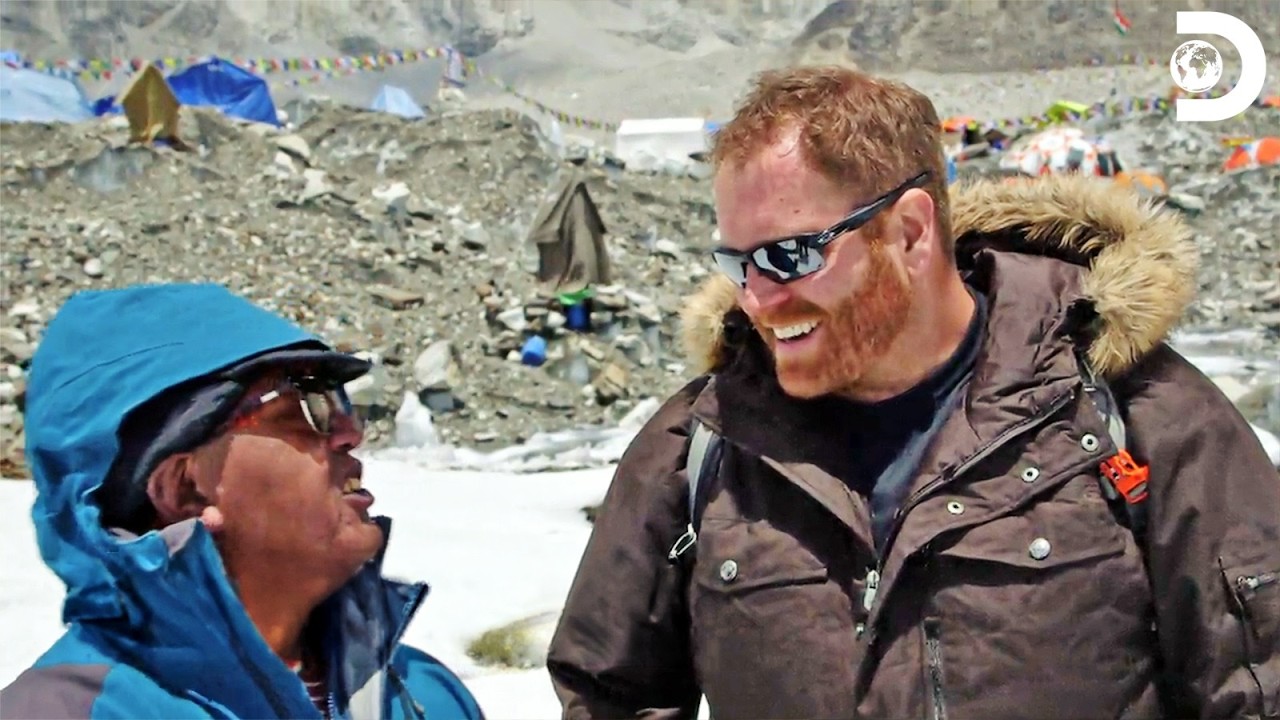
In the misty, towering peaks of the Himalayas, where ancient legends whisper through the wind, the quest for the Yeti—the legendary “Abominable Snowman”—continues to captivate adventurers, scientists, and locals alike. Season 2016’s Expedition Unknown: Hunt for the Yeti, Episode 3, titled “Out of Thin Air,” follows intrepid host Josh Gates as he pursues fresh leads from Everest Base Camp to the remote, mystical forests of Bhutan. This episode stands out for its blend of high-altitude drama, cultural immersion, and tantalizing physical evidence, breathing new life into one of the world’s most enduring cryptozoological mysteries.
The Enduring Legend of the Yeti
For centuries, tales of a massive, ape-like creature roaming the snow-covered Himalayas have echoed across Nepal, Tibet, and Bhutan. Known locally as the “Yeti” or “Meh-Teh,” descriptions vary: a bipedal beast covered in reddish-brown fur, standing 6 to 10 feet tall, with footprints far larger than any human’s. These stories predate modern mountaineering, rooted in Buddhist folklore and Sherpa oral traditions. Some view the Yeti as a guardian spirit; others as a flesh-and-blood animal that has evaded scientific classification.
Skeptics often attribute sightings to misidentified animals like the Himalayan brown bear or snow leopard, or even hoaxes fueled by tourism. Yet, credible reports from experienced climbers and locals persist, including large footprints in the snow that seem to defy easy explanation. Expedition Unknown dives into this debate with Gates’ characteristic mix of skepticism and open-minded exploration, building on his prior Himalayan adventures.
High-Altitude Clues at Everest Base Camp
The episode kicks off with Gates and his team helicoptered to Everest Base Camp amid the Khumbu Glacier. The rapid ascent brings risks of altitude sickness, adding real peril to the journey. There, they meet Pasang Wangchu, a seasoned climbing guide who claims to have witnessed both massive footprints and a fleeting glimpse of a Yeti-like figure near the camp.




Using drones, the team scans the glacier and spots what appears to be an unusually large footprint in a remote, inaccessible area. An avalanche in the background heightens the tension, underscoring the unforgiving environment. Limited by time and oxygen levels, the crew experiences dizzy spells and must descend quickly—highlighting the physical toll of such expeditions. These “new” sightings near Everest reignite interest, suggesting the creature, if real, may still traverse these high passes.
Black Market Mysteries in Kathmandu
Returning to Kathmandu, Gates receives a mysterious tip about a supposed Yeti hand on the black market. Meeting a shady dealer in a scene straight out of an adventure film, the team examines what looks like a large, mummified primate hand with four digits. The asking price? A staggering $10 million. While unable to purchase it, they secure photographs and a small sample for later DNA analysis.
This segment explores the ethical gray areas of relic trading and the intersection of folklore with commerce. Such artifacts fuel the legend but also raise questions about authenticity and cultural preservation. Gates’ witty commentary—”He looks exactly like what a shady yeti parts dealer is supposed to look like”—lightens the moment while underscoring the intrigue.
Into the Heart of Bhutan: Monasteries and Mummified Remains
The journey shifts to Bhutan, a Himalayan kingdom steeped in Gross National Happiness philosophy and ancient Buddhist traditions. Gates arrives in Paro, dons traditional gho attire (quipping it resembles a “circus tent” on him), and heads to Thimphu before reaching Gangteng Monastery in central Bhutan.
There, accompanied by local guide Pema and a monk, Gates views mummified “Yeti” remains—sacred relics not open to cameras or the public. The brief encounter leaves a strong impression, blending reverence with curiosity. Bhutan has long reported Yeti activity, and these monastery artifacts provide a cultural anchor for the search, distinct from Nepal’s more tourist-facing legends.
Remote Wilderness and Footprint Evidence
Teaming up with naturalist Casey Anderson, Gates travels to Bumthang and then by helicopter toward Gangkhar Puensum—the world’s highest unclimbed mountain. In a region where no humans have trekked, locals captured photos of a line of enormous footprints. On the ground, the team ventures into dense forests below the snow line, setting bait in hopes of luring the creature for a closer encounter.
The isolation is profound: thick vegetation, unpredictable weather, and the constant awareness of potential wildlife encounters create an atmosphere of genuine suspense. These Bhutanese sightings feel “new” and credible due to the area’s remoteness and limited human footprint, offering a fresh chapter in the Yeti saga.
Scientific Scrutiny and Broader Implications
While this episode focuses on fieldwork, it sets the stage for lab analysis in subsequent parts. Samples from the hand and other finds would later undergo DNA testing, often revealing bear or other known species—yet anomalies keep the debate alive. The show excels at humanizing the pursuit, showcasing local beliefs, the challenges of high-altitude research, and the thin line between myth and possible undiscovered species.
Bhutan’s emphasis on environmental conservation adds depth. Protected forests and cultural taboos against harming wildlife may aid any reclusive creature’s survival. The episode also touches on how climate change and habitat shifts could influence sightings, pushing animals into new territories.
Why “Out of Thin Air” Captivates
Airing as part of the four-part Hunt for the Yeti special, Episode 3 (“Out of Thin Air”) masterfully balances adventure with respect for local cultures. Josh Gates’ enthusiasm, self-deprecating humor, and commitment to evidence make the quest relatable. Viewers are left pondering: Are these new Bhutanese sightings the breakthrough the world has awaited, or echoes of misperception amplified by the mountains’ vastness?
The Yeti legend endures because it represents humanity’s desire to believe in the unknown—something wild and free beyond our mapped world. Expedition Unknown doesn’t promise resolution but delivers something more valuable: a deeper appreciation for the Himalayas’ mysteries, the people who call them home, and the thrill of the chase.
Whether the Yeti is a bear, a surviving archaic hominid, a spiritual entity, or pure folklore, episodes like this keep the conversation alive. For fans of cryptozoology, travel, or edge-of-your-seat documentaries, Hunt for the Yeti E3 is a must-watch. It reminds us that in Bhutan’s remote valleys and Everest’s shadows, some secrets remain “out of thin air”—waiting for the next intrepid explorer.