Not everything that comes through the doors of the Gold & Silver Pawn Shop can be bought—no matter how rare or valuable it is. On Pawn Stars, Rick Harrison often faces a different kind of challenge: items that are simply illegal to own, sell, or trade.
These moments are some of the most intense on the show, where history collides with the law—and Rick has no choice but to walk away.
The Team Behind the Counter


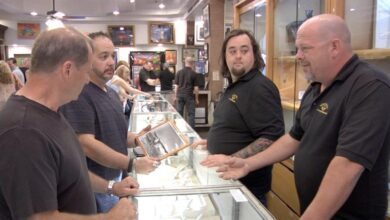
Alongside Rick are Corey Harrison and Austin Lee Russell. While they love rare finds, they also understand that legal restrictions come first—and sometimes that means turning down items worth a fortune.
1. Stolen Artifacts and Cultural Treasures


One of the biggest red flags in the pawn business is stolen or illegally exported artifacts. Items taken from archaeological sites or smuggled across borders are protected under international law.
Rick has encountered sellers with ancient relics that seemed authentic—but without proper documentation, they could be considered stolen cultural property. Buying them could lead to serious legal consequences, including confiscation and fines.


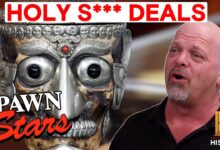
2. Restricted Weapons


Weapons are a common sight on Pawn Stars, but not all are legal to own or sell. Certain items—like unregistered automatic firearms or prohibited modifications—are tightly controlled under U.S. law.
Even if a weapon is historically significant, Rick must verify that it complies with regulations. If it doesn’t, the deal is immediately off the table.
3. Counterfeit Currency and Documents


Sometimes sellers bring in items that look valuable but are actually illegal reproductions. Counterfeit money, forged documents, or unauthorized minting plates are not just worthless—they’re criminal evidence.
Rick and his team rely on experts to authenticate such items. If something turns out to be fake, it’s not just a bad deal—it’s potentially a call to authorities.
4. Human Remains and Sensitive Items


This is one of the most controversial categories. Certain human remains, burial artifacts, or culturally sensitive items are protected by strict laws and ethical guidelines.
Even when legal gray areas exist, Rick often refuses these items out of respect and caution. These moments highlight that not everything with historical value should be commercialized.
5. Wildlife and Endangered Species Products


Items made from endangered animals—such as ivory, exotic skins, or protected species—are heavily regulated worldwide. Even antique pieces can fall under strict bans depending on their origin and documentation.
Rick has had to reject beautifully crafted items simply because selling them would violate conservation laws.
Why These Moments Matter
What makes these encounters compelling isn’t just the drama—it’s the reminder that history and legality don’t always align. An item can be rare, valuable, and fascinating… yet still illegal to own.
For Rick, the risk isn’t worth it. His reputation—and his business—depend on staying within the law.
Final Thoughts
On Pawn Stars, some of the most unforgettable moments aren’t about big profits, but about tough decisions. Illegal items force Rick Harrison to say no, even when the price is tempting.
In the end, these stories reveal a deeper truth:
Not everything that’s valuable can—or should—be owned.
 DL
DL