Pawn Stars has built its global reputation on one simple idea: everyday people walk into a pawn shop with forgotten treasures, and sometimes those “forgotten” items turn out to be worth a fortune. Among the most fascinating discoveries featured on the show are items from the 1970s—a decade now firmly in the realm of vintage collectibles, where pop culture, music, politics, and design collide into highly valuable artifacts.
From disco-era fashion to early Star Wars memorabilia, the 1970s have become a goldmine for collectors and experts alike. In Pawn Stars, these items often spark intense negotiations, expert appraisals, and surprising revelations about their true worth.
The 1970s: A Decade That Became Collectible Gold
The 1970s were once considered “too recent” to be valuable in the collectibles market. That perception has completely changed. Today, nostalgia-driven demand has pushed prices for well-preserved items into surprising territory.
Several factors drive this surge in value:
- Generational nostalgia: People who grew up in the 1970s are now serious collectors with disposable income
- Pop culture explosion: The rise of blockbuster films, rock music, and television created iconic memorabilia
- Limited survival rate: Many items from the era were used heavily and discarded, making mint-condition pieces rare
In Pawn Stars, experts frequently remind sellers that condition, rarity, and cultural impact determine value far more than age alone.



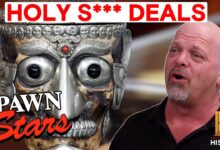
Star Wars Mania: A Galactic Payday

One of the biggest drivers of 1970s collectible value is the original release of Star Wars in 1977. Early merchandise, especially figures produced by Kenner, has become legendary in the collector market.
On Pawn Stars, sellers have brought in items such as:
- Original Luke Skywalker and Darth Vader action figures still in packaging
- Early production movie posters
- Rare prototype toys never widely released
Some of these items, originally sold for just a few dollars, can now fetch thousands depending on condition. The shop’s experts often call Star Wars memorabilia “a perfect storm of nostalgia and scarcity.”
The most valuable pieces are typically:
- Factory-sealed action figures
- Misprinted packaging (rare errors increase value)
- First-edition promotional materials
Disco Fever: Fashion, Vinyl, and Cultural Heat

The disco era left behind one of the most visually recognizable styles of the decade. In Pawn Stars, disco-era items often appear in the form of:
- Vintage vinyl records from iconic artists
- Studio lighting and club memorabilia
- Original disco fashion pieces like sequined dresses and platform shoes
Records by artists such as Donna Summer, Bee Gees, and Chic are especially sought after. First pressings in excellent condition can be surprisingly valuable, particularly if they include original album sleeves and inserts.
Fashion items also draw attention, especially when tied to famous designers or clubs like Studio 54. While some clothing items may not reach extreme prices, rare or celebrity-owned pieces can become high-ticket collectibles.
Technology of the Future… From the Past
The 1970s also marked the beginning of modern consumer electronics. Many of these early devices now appear in pawn shop valuations due to their retro appeal and historical importance.
Common items featured include:
- Early home video game systems (like Pong consoles)
- Large boomboxes and cassette players
- Rotary phones in bold colors
- First-generation calculators and digital watches
While not all electronics are highly valuable, rare working models or boxed units can command strong prices among collectors of retro tech.
In Pawn Stars, experts often evaluate whether an item is simply nostalgic or truly rare enough to justify a high appraisal.
Why 1970s Items Keep Rising in Value
The growing interest in 1970s collectibles is not slowing down. Several market trends explain why:
- Millennial and Gen X nostalgia cycles
People are increasingly collecting items from their childhood decades. - Pop culture legacy
Franchises like Star Wars continue to expand, increasing demand for original artifacts. - Limited surviving inventory
Many 1970s items were not preserved, making high-quality examples scarce. - Media influence
Shows like Pawn Stars have educated viewers about hidden value in everyday objects.
Big Deals and Surprising Appraisals
One of the most exciting elements of Pawn Stars is watching experts evaluate items that sellers often underestimate. A dusty box from the attic can turn into a five-figure payday if it contains the right 1970s treasure.
Typical negotiation moments include:
- Sellers shocked by high appraisals
- Experts debating authenticity and condition
- Counteroffers that reflect market demand
The drama lies not just in the price—but in the story behind each object.
Conclusion: The 1970s Are No Longer “Old”—They’re Valuable
What once seemed like outdated clutter has become a thriving collector’s market. From Star Wars toys to disco records and early electronics, the 1970s continue to deliver unexpected treasures on Pawn Stars.
As time passes, these items will likely become even more valuable, especially as fewer mint-condition examples remain in circulation. For collectors and fans alike, the message is clear: what you consider “old stuff” today might just be tomorrow’s groovy gold.
 DL
DL