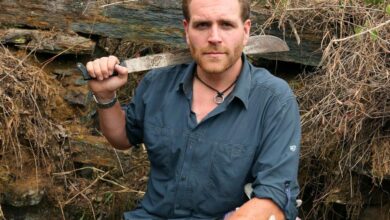
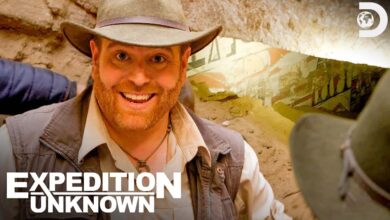
Yeti Evidence Finally Tested | Expedition Unknown: Hunt for the Yeti E4
Yeti Evidence Finally Tested | Expedition Unknown: Hunt for the Yeti E4

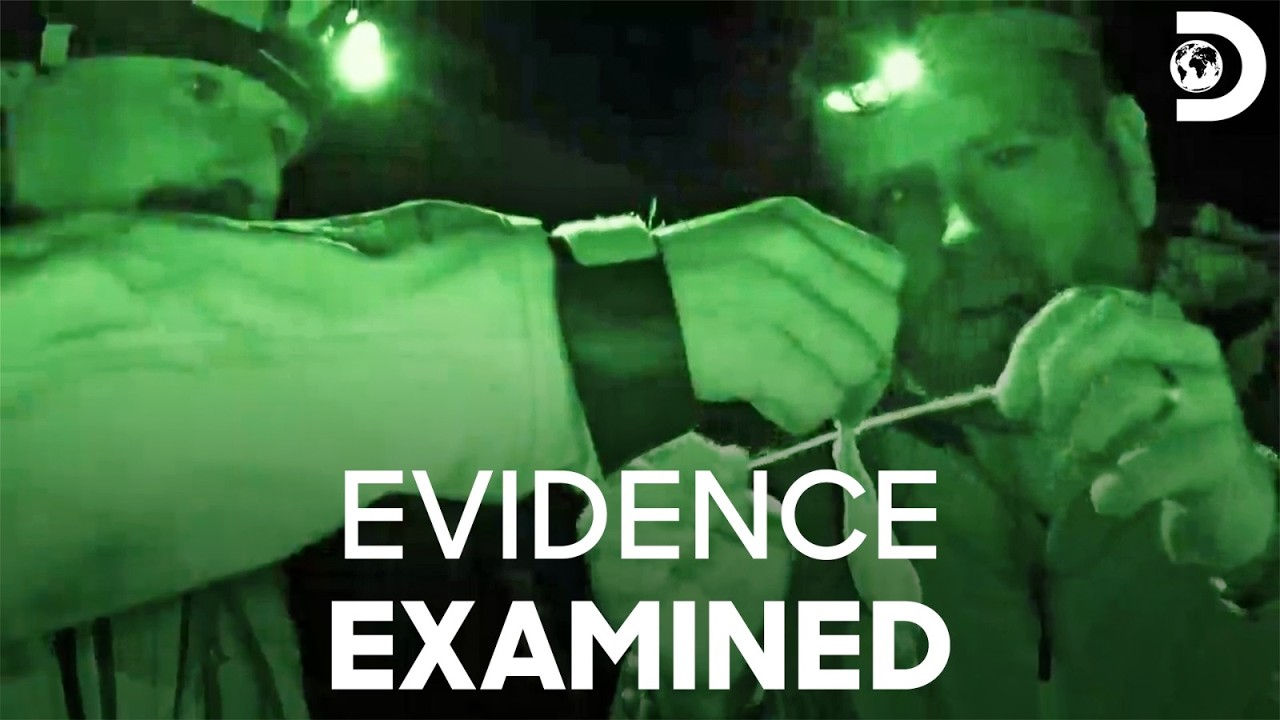
In the gripping conclusion to Expedition Unknown: Hunt for the Yeti, Josh Gates brings years of legends, eyewitness accounts, and physical samples under the cold light of modern science. Episode 4, often titled “Unmasking the Myth” or promoted as “Yeti Evidence Finally Tested,” delivers the scientific payoff to the four-part special. After trekking through Nepal’s high passes and Bhutan’s remote valleys, Gates returns to the lab with hair, scat, footprints, and relics in hand. The episode masterfully blends on-the-ground adventure with forensic analysis, offering viewers a satisfying — if not entirely conclusive — resolution to one of cryptozoology’s greatest mysteries.
Final Fieldwork in Bhutan’s Wild Heart
The episode opens with Gates continuing his exploration deep in Bhutan alongside adventurer Gerry Moffatt. They raft into the remote Tang Valley, an area rich with reported Yeti sightings, navigating swift rivers and dense forests far from tourist trails. The isolation is palpable — thick rhododendron undergrowth, towering peaks, and the ever-present risk of wildlife encounters create an atmosphere of genuine wilderness suspense.
In the forest, the team discovers three large, bipedal-looking footprints that appear too big for known local animals. They carefully cast one of the prints for further study. Motion-activated trail cameras and bait stations are deployed overnight. A midnight disturbance — rustling and a fallen camera — builds tension, but the footage reveals a bear rather than a Yeti. Additional camera traps capture deer, reinforcing the challenges of distinguishing myth from reality in low-light, remote conditions.
Local witnesses at a cultural festival in Jakar share compelling stories, adding cultural weight to the scientific pursuit. These encounters highlight Bhutan’s deep-rooted belief in the Meh-Teh (Yeti) and the respect locals hold for the creature within Buddhist traditions.


Back to the Lab: Rigorous Scientific Testing
The heart of Episode 4 lies in the laboratory analysis. Gates transports his collected evidence to experts in the United States. In New York, he meets primatologist and geneticist Todd Disotell. Results come in one by one:
- A hair sample from a previous monastery (the famous “Yeti scalp” from Khumjung) had been treated with harsh chemical preservatives, preventing clear DNA extraction.
- Another hair sample tested as human — likely contamination or from a person.
- Scat (droppings) proved to be from a goat.
In Los Angeles at the Natural History Museum of Los Angeles County, mammalogist Jim Dines examines the scalp relic. He concludes it was likely stitched together from animal skin to create a dome shape, a common practice in creating ceremonial objects rather than a genuine Yeti trophy.
The journey culminates in Pocatello, Idaho, with Dr. Jeffrey Meldrum, a professor of anatomy and renowned footprint expert. Meldrum studies the Bhutan cast. While impressed by its size and features, he determines it most closely resembles an enlarged print from a Himalayan brown bear — possibly one standing or moving in a way that elongates the track. Bears rising on hind legs could easily explain many bipedal “Yeti” sightings reported over decades.
The Bear Connection and Broader Implications
The cumulative evidence strongly points to the Himalayan brown bear (or related subspecies) as the primary source of Yeti lore. This aligns with broader scientific consensus: many “Yeti” samples tested globally, including those from earlier expeditions, have repeatedly returned as bear DNA. Yet the episode doesn’t dismiss the legend entirely. It acknowledges that misidentifications, cultural storytelling, and the vast, unexplored Himalayan terrain allow the myth to endure — and perhaps even protect real wildlife through taboos.
Gates’ characteristic wit shines through as he processes the results. His self-deprecating humor and genuine curiosity keep the tone engaging rather than purely debunking. The episode respects the cultural significance of the Yeti in Himalayan communities while championing empirical evidence.
Why This Episode Resonates
“Unmasking the Myth” serves as a strong series finale by balancing adventure with science. Earlier episodes built excitement with dramatic sightings, black-market relics, and monastery artifacts; this one provides closure through methodical testing. It exemplifies Expedition Unknown’s formula: high-stakes fieldwork followed by expert validation (or refutation).
For cryptozoology enthusiasts, the results are familiar but presented with fresh context from Bhutan’s lesser-explored regions. The episode underscores larger themes — the intersection of folklore and biology, the impact of habitat on rare species, and humanity’s enduring fascination with the unknown. Climate change and habitat loss in the Himalayas add urgency: understanding what’s really out there could aid conservation efforts for bears and other megafauna.
Viewers come away educated rather than disappointed. The Yeti may not be a surviving archaic hominid or undiscovered ape, but the search reveals real wonders: remote ecosystems, rich cultural traditions, and the surprising ways familiar animals can fuel extraordinary legends.
Legacy of the Hunt
Expedition Unknown: Hunt for the Yeti remains one of the show’s most ambitious undertakings, spanning four episodes and multiple countries. Episode 4 ties the narrative together, showing that even when science demystifies a creature, the wonder of exploration endures. Josh Gates doesn’t “find” the Yeti in the traditional sense, but he uncovers deeper truths about belief, nature, and evidence.
In an age of readily available information, episodes like this remind us of the value of direct investigation. Whether you’re a skeptic, a believer, or simply an armchair adventurer, “Yeti Evidence Finally Tested” delivers a thoughtful, entertaining conclusion to one of television’s most captivating cryptozoological quests. It leaves the door slightly ajar — in the highest, most inaccessible corners of the Himalayas, perhaps a few secrets still linger — but grounds the legend in the fascinating reality of the natural world.