Searching For The Lost Treasure Of World War 2 | Expedition Unknown S3 E14
Searching For The Lost Treasure Of World War 2 | Expedition Unknown S3 E14

In the annals of World War II history, few legends captivate the imagination quite like the tales of looted Nazi gold and hidden fortunes spirited away as the Axis powers crumbled. One such enduring mystery centers on the so-called “Rommel’s Treasure” – a cache of plundered wealth from North Africa allegedly hidden on the rugged Mediterranean island of Corsica. Season 3, Episode 14 of Expedition Unknown, titled “Corsica’s Nazi Treasure” (also referenced in some releases as exploring the lost treasure of World War II), follows host Josh Gates as he dives headfirst into this high-stakes historical puzzle. Airing in 2017, the episode blends adventure, archival research, and daring exploration, offering viewers a thrilling glimpse into one of the war’s most elusive secrets.
The Legend of Rommel’s Treasure
At the heart of the story is Erwin Rommel, the famed German Field Marshal known as the “Desert Fox.” Rommel commanded the Afrika Korps in North Africa, where his forces achieved remarkable early successes against the Allies. As the tide turned in 1943 and the Germans retreated, rumors swirled that SS units accompanying or following Rommel’s troops systematically looted valuables – gold bullion, jewelry, art, and other riches – from banks, governments, and particularly Jewish communities in Tunisia and elsewhere.
According to legend, this treasure, valued in the tens of millions today, was loaded onto a ship bound for Germany but diverted or lost near Corsica, then under Axis occupation. Some accounts claim it was deliberately hidden in coastal caves, grottos, or underwater sites by retreating forces, with the intention of recovery after the war. Corsica’s dramatic coastline – dotted with cliffs, sea caves, and submerged wrecks – provided the perfect clandestine repository. Over the decades, treasure hunters, divers, and locals have chased leads, with occasional tantalizing finds like a fisherman reportedly pulling up gold bars stamped with Reichsbank markings in the 1950s. Yet the bulk of the hoard, if it ever existed, remains lost to time.
Historians debate the legend’s veracity. While Rommel himself is not directly implicated in widespread personal plunder (his reputation was more tactical than that of a looter), the broader Nazi apparatus of theft during the North African campaign is well-documented. Stories of “Rommel’s Gold” persist as part of a larger tapestry of missing WWII treasures, alongside the Amber Room, the Nazi Gold Train, and Yamashita’s gold. These narratives fuel not only academic interest but also popular fascination with the moral and material remnants of the war.



Josh Gates’ Expedition Begins
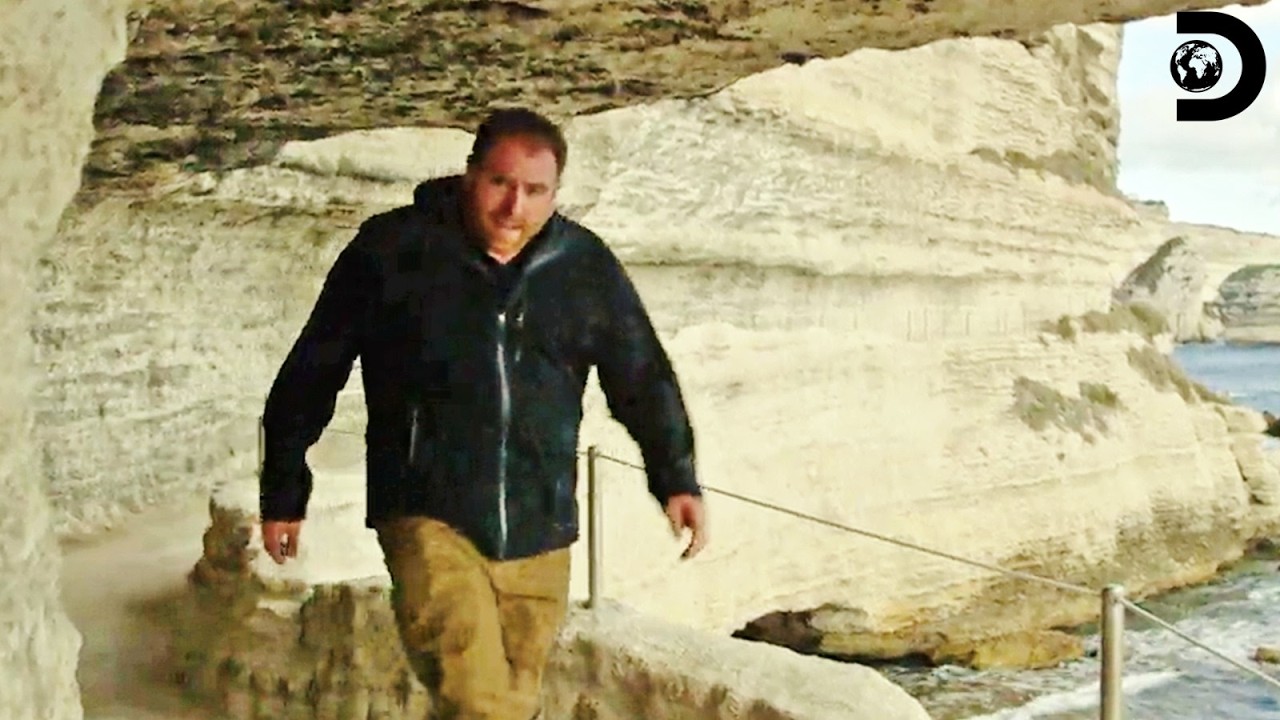
Josh Gates, the charismatic archaeologist-adventurer and host of Expedition Unknown, approaches the mystery with his signature blend of skepticism and enthusiasm. The episode opens on the rugged shores of Bonifacio in southern Corsica, a town perched on dramatic white cliffs overlooking the sea. Gates teams up with local diver and explorer Marianne Bolzinger, who introduces him to a promising lead: a sealed sea grotto long rumored to conceal part of the treasure.
Accessing the site is no small feat. The team descends a narrow, vertigo-inducing well shaft plunging over 200 feet (around 60 meters) into the earth. Emerging into a vast underground chamber partially flooded with seawater, they don diving gear for a challenging exploration. The environment is treacherous – dark, cold, and filled with potential hazards like collapsing rock or disorientation in zero-visibility conditions. This is classic Expedition Unknown territory: equal parts Indiana Jones and scientific inquiry.
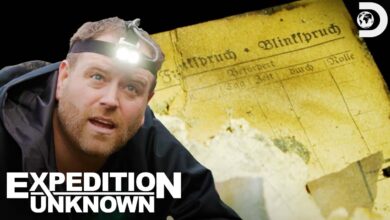
During the dive, the team uncovers intriguing WWII-era artifacts: an old bottle, a metal fuel canister, wooden planks possibly from crates or packing, and an aged wooden box. These finds lend credence to the idea that the grotto saw human activity during the occupation. However, a larger chamber remains inaccessible during this initial dive, leaving the ultimate prize – if any – just out of reach. The frustration and excitement are palpable, mirroring the decades of dashed hopes by previous searchers.
Broader Context and Additional Leads
Gates doesn’t stop at the underwater caves. The episode expands the investigation to Germany, where he visits Blaustein, Rommel’s hometown, and explores Villa Lindenhof – once the general’s residence and now a museum dedicated to his life and career. Here, Gates examines personal artifacts, letters, and historical records that provide context for Rommel’s movements and the logistical challenges of the North African retreat. While no smoking-gun documents confirm the treasure’s exact location, the visit humanizes the legend, contrasting Rommel’s military genius with the darker undercurrents of Nazi exploitation.
The search also incorporates undersea relics from the war. Corsica’s waters hide numerous shipwrecks from the period, some potentially linked to transport efforts. Advanced diving techniques and historical mapping help the team survey sites where vessels might have offloaded cargo under duress. These segments highlight the technological evolution of treasure hunting: from basic scuba to more sophisticated tools for navigating flooded systems.
Historical Significance and Ethical Dimensions
Beyond the adrenaline, the episode prompts deeper reflection on the nature of wartime plunder. The Nazis’ systematic looting across Europe and North Africa represented not just theft but an attempt to erase cultures and fund an ideology of conquest. Recovering such treasures today raises complex questions: Who owns history’s stolen goods? Should artifacts be returned to descendants of victims, displayed in museums, or left undisturbed to preserve sites?
Corsica itself embodies layers of history – a strategic Mediterranean outpost fought over for centuries by various powers. Its role in WWII adds another chapter, with local resistance movements and Allied operations intersecting with Axis occupations. The treasure legend persists in Corsican folklore, blending fact, exaggeration, and the island’s rugged mystique.
The Elusive Truth
True to the spirit of Expedition Unknown, the episode does not deliver a Hollywood ending with chests of gold spilling forth. Instead, it leaves viewers with a richer understanding of the mystery’s complexity. The artifacts recovered offer physical links to the past but stop short of resolving the big question. As Gates notes in voiceover and interviews, the truth behind one of history’s greatest treasure legends becomes even more elusive the deeper one digs.
This open-endedness is part of the show’s appeal. It celebrates the journey – the research, the risks, the small discoveries – over guaranteed triumphs. In an era of instant gratification, Expedition Unknown reminds us that some stories endure precisely because they resist easy resolution.
Why This Episode Resonates
“Corsica’s Nazi Treasure” stands out in Season 3 for its potent mix of accessible history, stunning visuals of Corsica’s landscape, and genuine exploration peril. With viewership around 0.92 million for the original airing, it tapped into widespread interest in WWII mysteries. For fans of lost treasures, it joins episodes on topics like the Nazi Gold Train or King John’s jewels in showcasing Gates’ globe-trotting quest for answers.
The episode also underscores broader themes: the long shadow of World War II, which continues to yield archaeological finds and ethical debates nearly a century later; the allure of hidden wealth; and the human drive to uncover secrets. Whether Rommel’s Treasure exists in full or is a composite of smaller caches and exaggerated tales may never be fully known. Yet the search itself enriches our understanding of the past.
In the end, Josh Gates and his team emerge not as triumphant treasure hunters but as modern explorers illuminating history’s darker corners. For anyone fascinated by adventure documentaries, wartime intrigue, or the enduring mysteries of the 20th century, Expedition Unknown S3 E14 is essential viewing – a reminder that some treasures are found not in gold, but in the stories we chase.