Marine Le Pen’s Sharp Rebuke to Emmanuel Macron: “Your Time Is Over”
Marine Le Pen’s Sharp Rebuke to Emmanuel Macron: “Your Time Is Over”

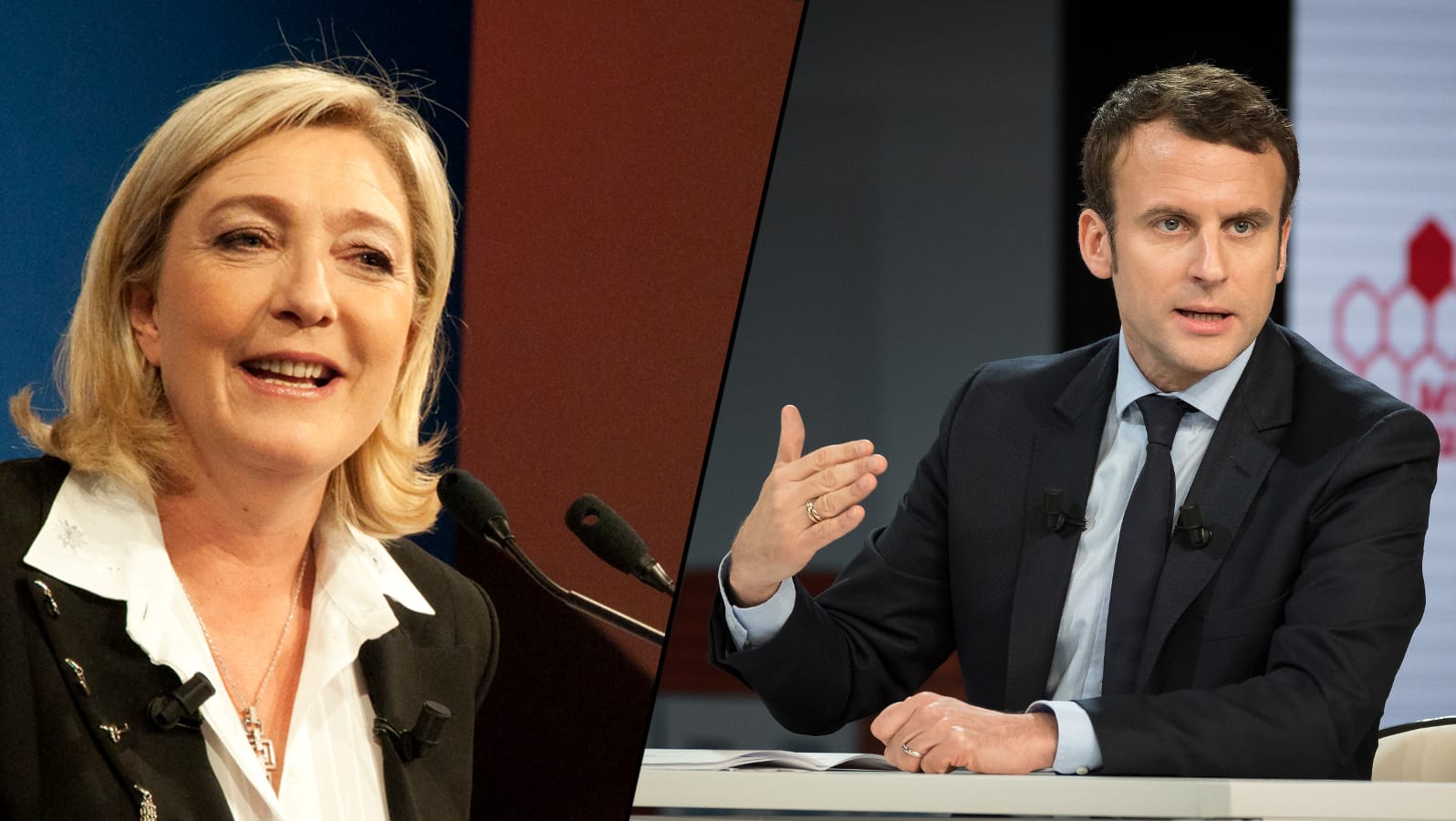
In the turbulent landscape of French politics, few exchanges capture the deepening divide as powerfully as Marine Le Pen’s latest broadside against President Emmanuel Macron. Addressing the French leader for the second time in a pointed public confrontation, Le Pen declared: “Mr. Macron, you promised to change France but only brought chaos and decline. The people are now paying the price for your arrogance and impotence. Your time is over!”
This fiery statement, delivered amid ongoing institutional gridlock, economic pressures, and social unrest, encapsulates the far-right leader’s strategy as France heads toward critical political junctures, including potential shifts ahead of the 2027 presidential election. Le Pen, long the face of the National Rally (formerly National Front), has positioned herself as the unrelenting voice of ordinary French citizens disillusioned by Macron’s centrist project.
The Promise vs. the Reality
When Emmanuel Macron swept to power in 2017 as a youthful, pro-European disruptor, he vowed a profound transformation: modernizing the economy, reforming pensions and labor laws, strengthening France’s global standing, and bridging the left-right divide. His “En Marche!” movement promised dynamism and pragmatism beyond traditional parties. Yet, as Le Pen’s critique highlights, many observers argue the results have fallen short.
Critics point to persistent challenges. France has grappled with high public debt, inflation squeezing household budgets, and repeated waves of protests—from the gilets jaunes (Yellow Vests) movement to more recent demonstrations over pension reforms and cost-of-living issues. Macron’s second term has been marked by political paralysis, with multiple prime ministers cycling through amid no clear parliamentary majority following the 2024 snap elections.
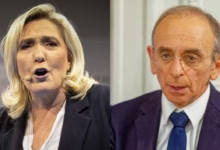



Le Pen’s accusation of “chaos and decline” resonates with segments of the electorate facing urban-rural divides, immigration concerns, and a sense of cultural erosion. Supporters of the National Rally argue that Macron’s policies have prioritized globalist agendas—such as deeper EU integration and green transitions—over national sovereignty and working-class interests. Energy costs, strained public services, and security issues in certain suburbs have fueled narratives of a nation losing its way.
In her address, Le Pen framed these woes not as inevitable but as the direct consequence of presidential “arrogance and impotence.” This language is classic Le Pen: personal, visceral, and aimed at humanizing the failures while demonizing the elite. By invoking the people’s suffering, she contrasts Macron’s technocratic style with her populist appeal, honed over years of rebranding her party toward broader acceptability.
A Pattern of Confrontation
This is not Le Pen’s first clash with Macron. Their 2017 and 2022 presidential debates were legendary for sharp exchanges, with Le Pen often attacking on issues of identity, borders, and economic protectionism. However, the latest iteration feels more urgent. France’s political system has been in near-constant crisis since the 2024 legislative elections fragmented parliament into three broad blocs: Macron’s centrists, the left-wing alliance, and Le Pen’s surging National Rally.
Le Pen has capitalized on this instability. In speeches across the country, she has lambasted Macron for “confiscating” power through appointments that bypass parliamentary realities and for failing to deliver stability. The result, she argues, is institutional blockage that ordinary citizens endure through higher taxes, insecure jobs, and eroded public confidence.
Recent developments have amplified her message. Legal troubles surrounding Le Pen herself—including convictions and appeals related to past party finances—have been spun by her supporters as political persecution designed to sideline her ahead of 2027. Yet, polls continue to show her National Rally performing strongly, with Le Pen or her protégé Jordan Bardella often leading presidential projections. Macron’s approval ratings, by contrast, have hovered at historic lows, reflecting widespread fatigue.
The Broader Context: France at a Crossroads
To understand the potency of Le Pen’s words, one must examine France’s multifaceted crises. Economically, the country faces sluggish growth compared to peers, exacerbated by global events like the Ukraine war’s energy fallout and post-COVID recovery strains. Socially, debates over immigration, secularism (laïcité), and integration remain flashpoints. Macron’s government has pursued reforms, but implementation has often sparked backlash, reinforcing perceptions of top-down governance detached from public sentiment.
On the international stage, Macron has sought to position France as Europe’s leader—advocating strategic autonomy, nuclear deterrence discussions, and mediation in global conflicts. While some praise this ambition, domestic critics like Le Pen decry it as neglecting home-front priorities. “The people are paying the price,” she asserts, tapping into nationalist sentiments that prioritize French identity and borders.
Le Pen’s rhetoric also reflects a wider European trend. Across the continent, populist and nationalist movements challenge centrist establishments. From Italy to the Netherlands, leaders have echoed similar refrains: the era of unchecked globalization and bureaucratic elites is ending. In France, this manifests as a potential realignment, where traditional left-right lines blur in favor of sovereignty-focused platforms.
Le Pen’s Vision: What Comes Next?
Beyond criticism, Le Pen offers an alternative. Her platform emphasizes stricter immigration controls, economic patriotism (protecting French industries and workers), enhanced law and order, and a reevaluation of France’s EU commitments to restore national decision-making power. She promises to restore pride, security, and prosperity—countering what she calls Macron’s legacy of decline.
Detractors warn that her approach risks isolationism, economic disruption, and democratic backsliding. They portray the National Rally as divisive, capitalizing on fears rather than solutions. Macron’s allies, meanwhile, defend his record as one of resilience: navigating pandemics, supporting Ukraine, and pushing necessary (if unpopular) modernizations.
Yet Le Pen’s message lands because it speaks to tangible grievances. In rural heartlands, deindustrialized regions, and among younger voters disillusioned by mainstream politics, the promise of radical change holds appeal. “Your time is over” is more than a taunt—it’s a call for transition, positioning 2027 as a referendum on Macronism itself.
Implications for French Democracy
Le Pen’s second direct challenge to Macron underscores the fragility of France’s Fifth Republic institutions. Designed for strong presidential leadership, the system strains under fragmented parliaments and polarized electorates. Snap elections, government reshuffles, and street protests have become normalized, raising questions about governability.
Analysts suggest this chaos benefits Le Pen most. As mainstream parties struggle, her consistent opposition narrative gains traction. However, challenges remain: broadening her coalition without alienating moderates, navigating legal hurdles, and proving her movement can govern effectively rather than merely protest.
For Macron, the coming months demand navigation of budget battles, European commitments, and domestic reforms while countering the far-right surge. His legacy hinges on whether he can restore a sense of direction or if Le Pen’s prediction proves prophetic.
Conclusion: The Reckoning Ahead
Marine Le Pen’s declaration—“Mr. Macron, you promised to change France but only brought chaos and decline… Your time is over!”—is a defining moment in contemporary French politics. It distills years of accumulated discontent into a singular, memorable indictment. Whether one views it as overdue truth-telling or dangerous demagoguery, it highlights the stakes: a France torn between continuity and rupture, global ambition and national retrenchment.
As the country lurches toward future elections, the battle between Macron’s vision of a progressive, integrated France and Le Pen’s call for sovereign renewal will intensify. The people’s verdict, expressed at the ballot box, will determine if Le Pen’s bold assertion marks the beginning of the end for Macron’s era—or merely another chapter in France’s enduring political drama.
The coming years will test not only these leaders but the resilience of French democracy itself. In a nation where revolution and republic are woven into the national fabric, moments like this remind us that political time is rarely linear. It turns on the will of the people—and their tolerance for unfulfilled promises.