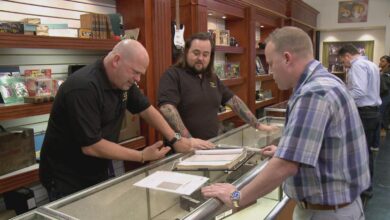
Medical QUACKERY! Questionable Cures & Odd Devices | Pawn Stars
Medical QUACKERY! Questionable Cures & Odd Devices | Pawn Stars


Step into the strange intersection of history, medicine, and curiosity, and you’ll find one of the most fascinating themes ever featured on Pawn Stars: the world of medical “quackery.” In the episode “Medical QUACKERY! Questionable Cures & Odd Devices,” the team at the Gold & Silver Pawn Shop encounters a collection of bizarre historical items that once promised miracle cures—but often delivered little more than false hope.
From electrified contraptions to mysterious tonics, this episode explores how far people have gone in the pursuit of health—and how easily science can be misunderstood or misused.
What Is “Quackery”?


The term “quackery” refers to fraudulent or unproven medical practices, often promoted with exaggerated claims. Long before modern regulations and clinical trials, the medical field was filled with self-proclaimed healers offering treatments that sounded convincing—but lacked real scientific backing.
These remedies thrived especially in the 18th and 19th centuries, when:
- Scientific understanding of disease was limited
- Regulation of medicine was minimal or nonexistent
- Public demand for cures was extremely high
The result? A booming market of questionable devices and miracle elixirs.




The Odd Devices That Shock the Shop


When these items appear on Pawn Stars, even seasoned buyer Rick Harrison is taken aback.
Among the strangest devices featured are:
⚡ Electrotherapy Machines
These gadgets claimed to cure everything from headaches to paralysis using electrical currents. While modern medicine does use controlled electrical stimulation, these early versions were often ineffective—and sometimes dangerous.
☢️ Radium-Based Products
Yes, radioactive materials were once marketed as health boosters. Items like radium water containers promised increased energy and vitality, not yet understanding the severe risks of radiation exposure.
🌀 Mechanical “Wellness” Devices
From vibrating belts to odd headgear, these machines were designed to “stimulate” the body in ways that supposedly improved circulation or cured illness.
Today, they seem absurd—but at the time, they represented cutting-edge hope.
Snake Oil and Miracle Tonics

No discussion of medical quackery would be complete without mentioning the infamous “snake oil.”
Originally derived from Chinese medicinal practices, authentic snake oil had legitimate uses. However, American salesmen began selling fake versions with little to no therapeutic value—turning the term into a synonym for fraud.
These tonics often claimed to cure:
- Chronic pain
- Digestive issues
- Fatigue
- Even serious diseases like cancer
In reality, many were made of alcohol, sugar, and flavoring—offering temporary relief at best.
Calling in the Experts

As always on Pawn Stars, Rick doesn’t rely on guesswork. Experts are brought in to evaluate the items’ authenticity, historical significance, and market value.
Interestingly, while the medical claims behind these objects may be questionable, their historical value is very real.
Collectors are often fascinated by:
- The craftsmanship of antique devices
- Their connection to a unique era in medical history
- The stories behind their use and promotion
In some cases, these items can be worth thousands—not for what they did, but for what they represent.
Why People Believed

It’s easy to laugh at these عجیب devices today—but understanding why people believed in them requires empathy.
At the time:
- Medical science was still evolving
- Many diseases had no known cure
- Doctors themselves often disagreed on treatments
In that environment, even the most unlikely solution could feel like a lifeline.
There’s also the placebo effect—a powerful psychological phenomenon where belief in a treatment can produce real, perceived improvements.
Then vs. Now: What Has Changed?

Today, medicine operates under strict scientific and regulatory standards. Treatments must go through:
- Clinical trials
- Peer-reviewed research
- Government approval processes
This doesn’t mean modern medicine is perfect—but it’s far more reliable than the free-for-all era of quack cures.
Still, the episode serves as a reminder that misinformation can persist—even in the modern age.
The Pawn Stars Perspective
What makes this episode especially engaging is how Rick Harrison approaches the items.
He’s not buying them as medical tools—he’s buying them as pieces of history.
That distinction is key.
The value lies not in their effectiveness, but in their story:
- A glimpse into human desperation and hope
- A record of how far science has come
- A cautionary tale about believing extraordinary claims
Final Thoughts
“Medical QUACKERY! Questionable Cures & Odd Devices” is one of the most intriguing episodes of Pawn Stars because it blends humor, history, and insight.
It reminds us that while the past may seem strange, it was shaped by the same human desires we have today—the desire to heal, to understand, and to survive.
And sometimes, those desires led people to believe in devices and cures that now seem unbelievable.
But in the end, those odd inventions tell a powerful story: not just about medicine, but about humanity itself.