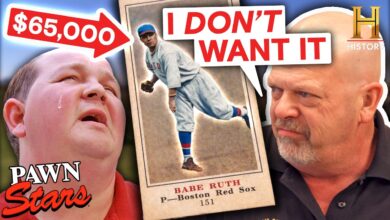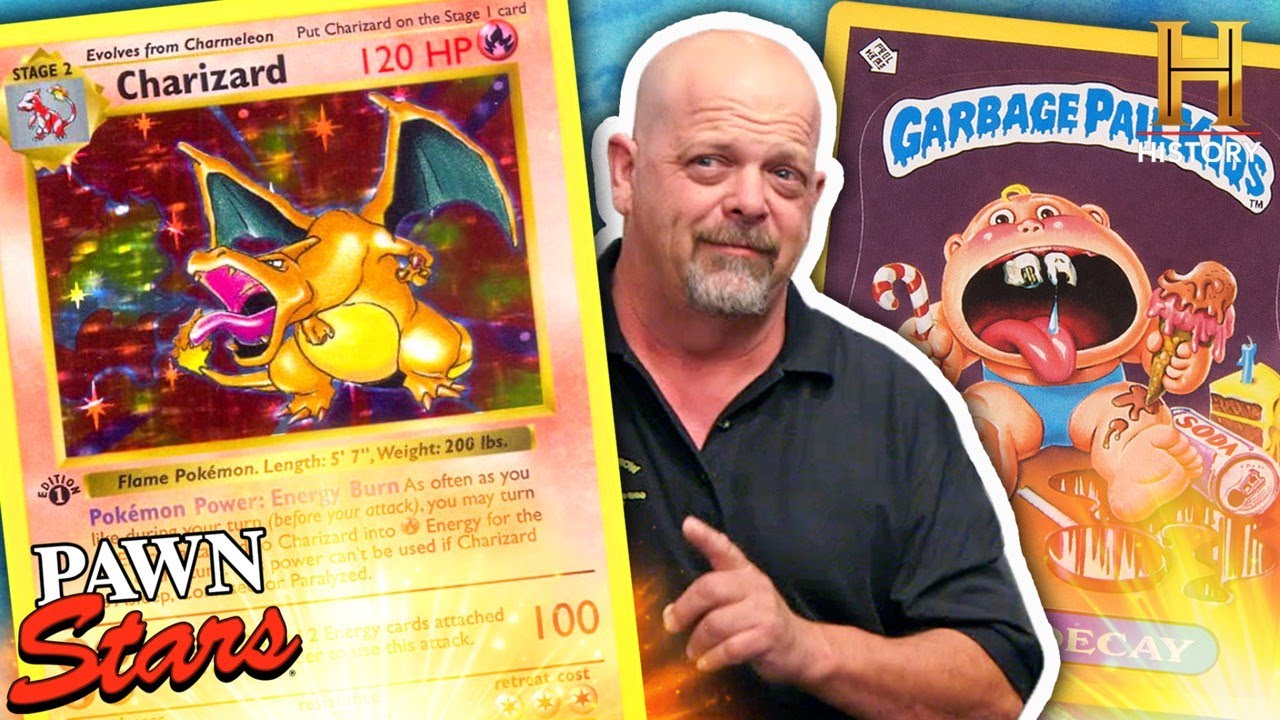
Trading cards have long been more than just collectibles—they are miniature pieces of history, culture, and sometimes even fortune. Over the years, the hit TV show Pawn Stars has showcased some of the rarest and most valuable trading cards ever brought into a pawn shop. From vintage baseball legends to iconic pop culture franchises, these cards have captured the imagination of collectors and investors alike.
The Fascination Behind Trading Cards
Trading cards first gained popularity in the late 19th century, particularly through baseball. What started as promotional inserts in cigarette packs quickly evolved into a global hobby. Today, cards span sports, movies, comics, and even gaming universes.
On Pawn Stars, experts frequently evaluate cards based on rarity, condition, historical significance, and demand. A small piece of cardboard can be worth thousands—or even millions—if it ticks all the right boxes.
Legendary Cards That Made Headlines
The Honus Wagner T206 Card
One of the most famous trading cards in existence is the T206 Honus Wagner. Featuring baseball legend Honus Wagner, this card was produced between 1909 and 1911. Wagner reportedly objected to the card’s association with tobacco products, leading to its limited production.




Because of its rarity—only a few dozen are known to exist—the T206 Wagner has sold for millions of dollars. On Pawn Stars, similar high-end vintage cards have sparked intense negotiations, often leaving both buyers and sellers in awe.
Mickey Mantle 1952 Topps Rookie Card
Another crown jewel in the trading card world is the 1952 Topps Mickey Mantle. Featuring Yankees icon Mickey Mantle, this card has become synonymous with baseball nostalgia.
High-grade versions of the Mantle rookie have sold for record-breaking prices, sometimes exceeding $10 million. When similar cards appear on Pawn Stars, the shop’s experts carefully inspect centering, edges, and print quality before making an offer.
Pokémon Cards: A Modern Goldmine
Not all valuable trading cards are vintage. Modern collectibles, especially from Pokémon, have exploded in value. The Pikachu Illustrator Card is widely considered the rarest Pokémon card ever made.
With only a handful in existence, it has fetched millions at auction. The rise of influencers and celebrities has further fueled demand, bringing trading cards back into mainstream culture. Episodes of Pawn Stars have featured customers hoping to cash in on their childhood collections.
Magic: The Gathering Black Lotus
In the world of gaming, few cards are as iconic as the Black Lotus from Magic The Gathering. First printed in 1993, Black Lotus is famous for its powerful in-game effect and extreme rarity.
Mint-condition versions have sold for hundreds of thousands of dollars. On Pawn Stars, such cards are evaluated not just as collectibles, but as pieces of gaming history.
What Makes a Card Valuable?
Collectors and experts, including those seen on Pawn Stars, consider several key factors:
- Rarity: Limited production or surviving copies
- Condition: Graded by companies like PSA or Beckett
- Popularity: Star players or beloved franchises
- Historical significance: Cards tied to major moments
Even minor imperfections—like a bent corner or faded print—can drastically reduce value.
The Role of Authentication
Authentication is crucial in the trading card market. Counterfeit cards have become increasingly sophisticated, making professional grading essential. Companies use a scale (typically 1–10) to rate cards, with “Gem Mint 10” being the highest.
On Pawn Stars, experts often call in specialists to verify authenticity before any deal is made. This step ensures both buyer and seller are protected.
Trading Cards as Investments
In recent years, trading cards have evolved into a legitimate investment asset. Some collectors diversify their portfolios with rare cards, much like art or real estate. The surge in online marketplaces and auctions has made it easier than ever to buy and sell globally.
However, like any investment, the market can be volatile. Trends shift, and values can rise or fall depending on demand. The dramatic negotiations seen on Pawn Stars reflect this uncertainty perfectly.
Pop Culture and Nostalgia
One of the biggest drivers behind trading card value is nostalgia. Whether it’s baseball legends, childhood cartoons, or early video games, these cards connect people to meaningful memories.
Shows like Pawn Stars highlight this emotional aspect. Sellers often share personal stories about how they acquired their collections, adding depth beyond monetary value.
Conclusion
From the legendary T206 Honus Wagner to modern Pokémon rarities, trading cards have proven to be timeless collectibles. Their value lies not only in rarity and condition but also in the stories they carry.
As seen on Pawn Stars, these small pieces of cardboard can lead to big deals—and even bigger surprises. Whether you’re a seasoned collector or someone rediscovering a childhood hobby, the world of trading cards offers endless fascination and potential.
In the end, the true worth of a trading card isn’t just measured in dollars, but in the history, passion, and excitement it represents.