The Final Secret of Genghis Khan! | Expedition Unknown
The Final Secret of Genghis Khan! | Expedition Unknown
 DL
DL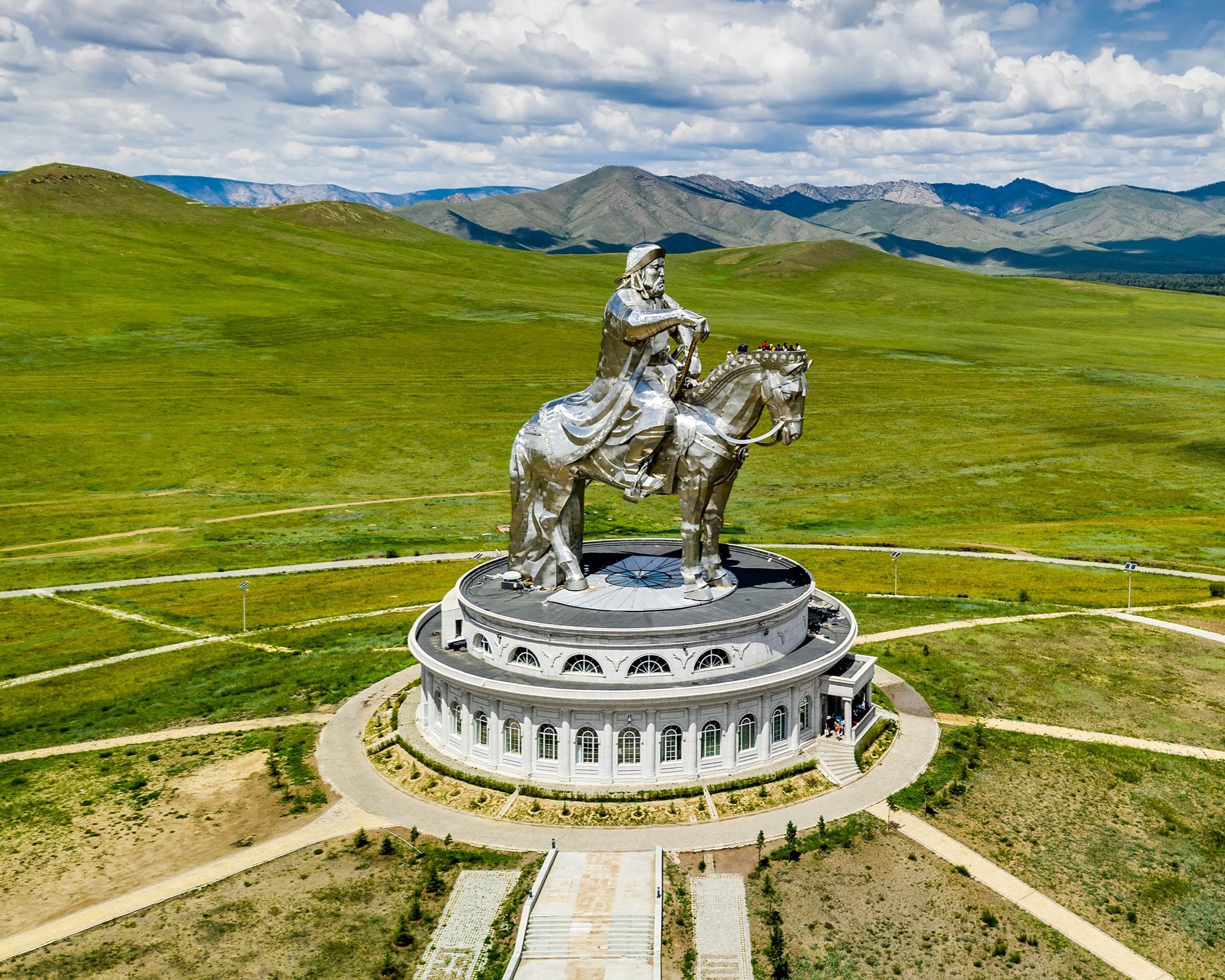
Few historical figures loom as large as Genghis Khan. Born as Temujin in the harsh steppes of Mongolia in the 12th century, he rose from poverty and betrayal to become the founder of the Mongol Empire, the largest contiguous land empire in human history. His armies conquered vast territories stretching from China to Eastern Europe, forever reshaping global history.
Yet despite the enormous impact of his life, one of the most fascinating mysteries surrounding the legendary conqueror concerns his death and burial. Unlike many rulers whose tombs became grand monuments, Genghis Khan’s final resting place has remained hidden for more than 800 years.
In an episode of the adventurous documentary series Expedition Unknown, explorer Josh Gates sets out to investigate the legend and uncover clues about what historians call “The Final Secret of Genghis Khan.”
The Rise of a World Conqueror

Genghis Khan’s rise to power is one of the most remarkable stories in world history. Born around 1162, Temujin faced a childhood filled with hardship. After his father was poisoned by a rival tribe, his family was abandoned and forced to survive alone in the wilderness.




But Temujin proved to be a brilliant leader. Through alliances, strategy, and military innovation, he united the warring tribes of Mongolia. In 1206, he was declared “Genghis Khan,” meaning Universal Ruler.
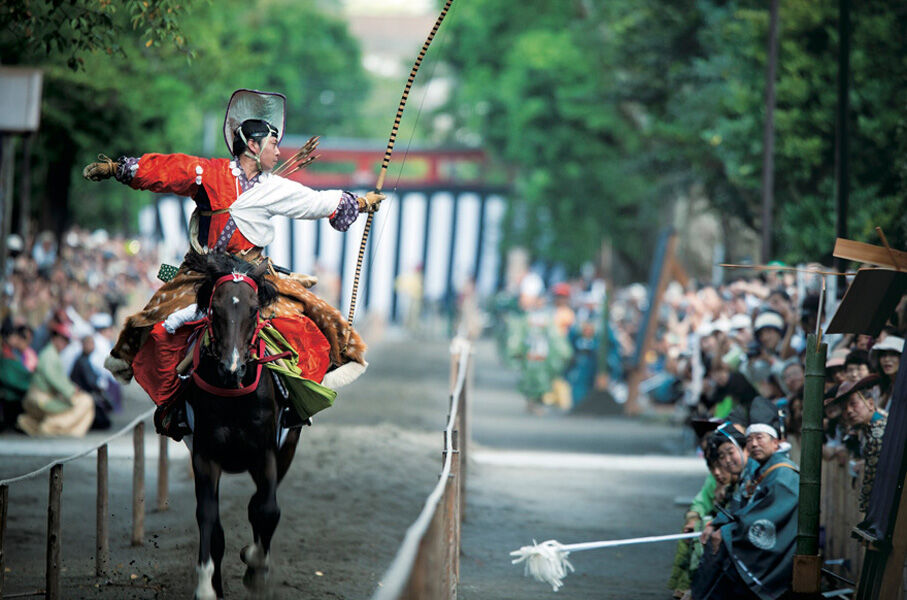
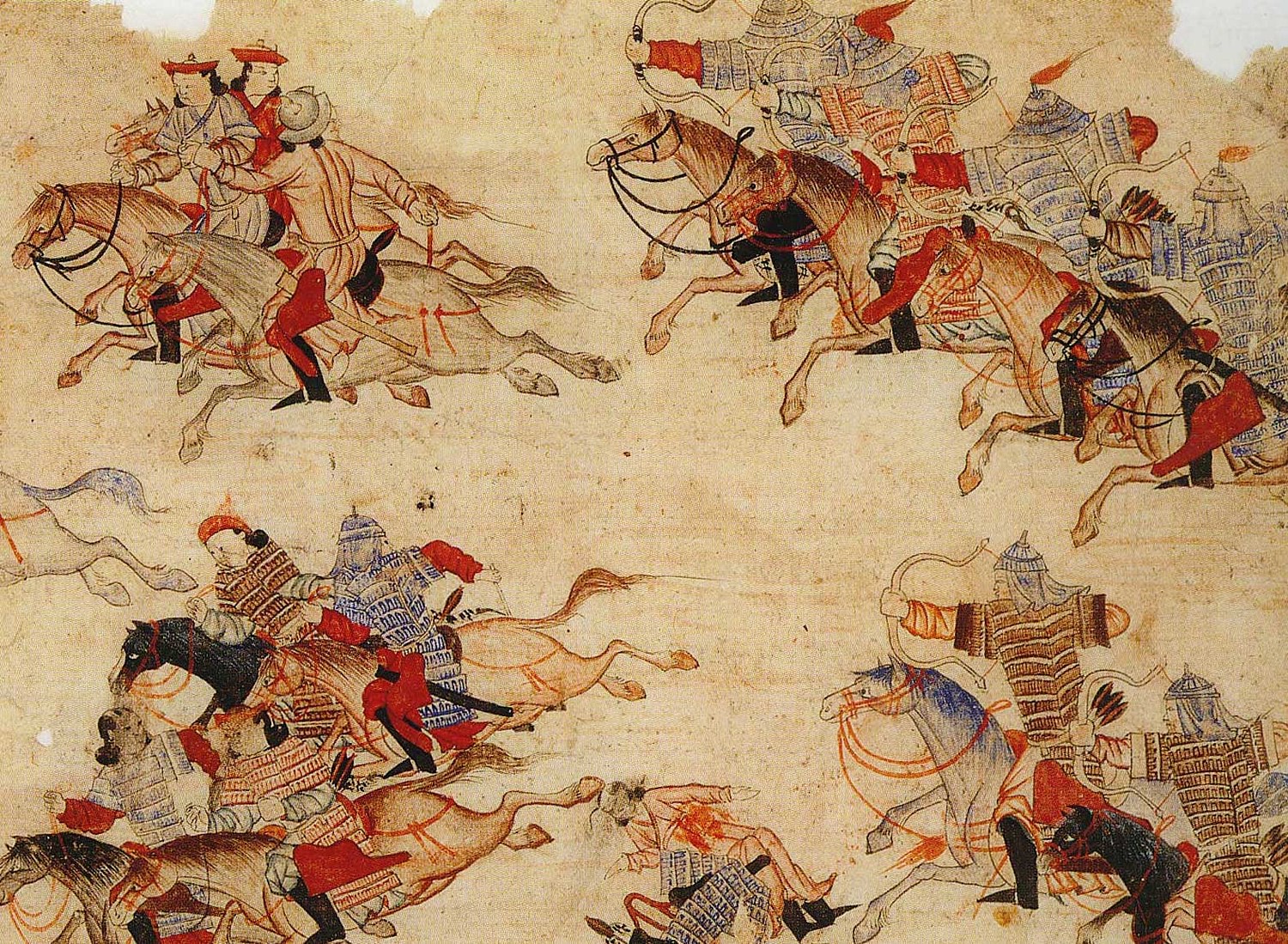
His military campaigns were revolutionary. Mongol warriors were masters of mobility, riding hardy steppe horses and using powerful composite bows. Their tactics relied on speed, discipline, and psychological warfare.
Under Genghis Khan, Mongol forces conquered:
-
Northern China
-
Central Asia
-
Parts of Persia
-
Regions reaching toward Eastern Europe
By the time of his death in 1227, the Mongol Empire had become the largest land empire ever created.
But the end of his life introduced a mystery that continues to puzzle historians.
The Strange Circumstances of His Death
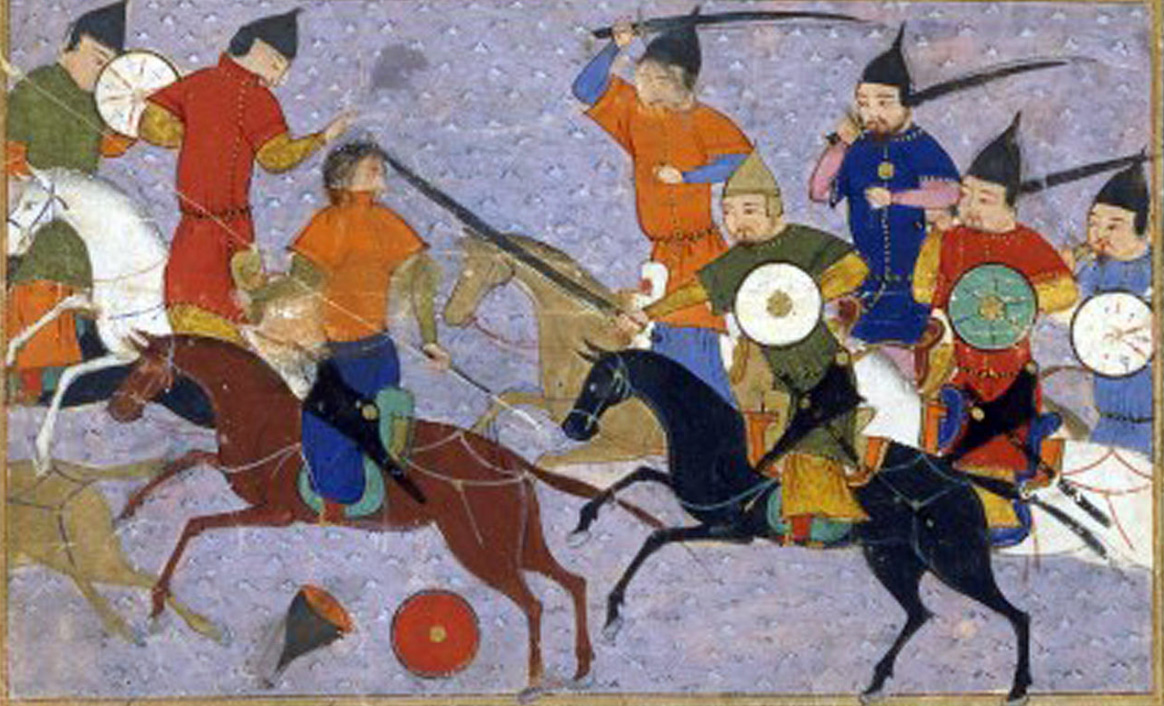
Historical records agree that Genghis Khan died during a military campaign against the Western Xia dynasty in northwest China.
However, the exact cause of his death remains unknown.
Several competing theories exist:
1. Battle injury
Some historians believe he died from wounds sustained during combat.
2. Falling from a horse
Another legend claims the aging conqueror fell during a hunt, suffering fatal injuries.
3. Illness
Others suggest he died from disease, which was common during long military campaigns.
4. Assassination myth
A more dramatic story says a captured princess assassinated him in revenge for her people—though historians generally consider this unlikely.
Whatever the cause, his death was kept secret for a time to prevent enemies from taking advantage of the situation.
Yet the biggest mystery was still to come.
The Secret Burial of Genghis Khan

According to Mongolian tradition, Genghis Khan requested a secret burial.
Legends surrounding the burial are dramatic and mysterious:
-
His body was transported back to Mongolia by loyal soldiers.
-
Anyone who saw the funeral procession was reportedly killed to preserve secrecy.
-
After burial, horses were ridden over the site to erase all traces.
-
Some stories even claim the soldiers guarding the burial site were killed to ensure the location remained hidden.
Many historians believe the tomb lies somewhere in the Khentii Mountains, near the sacred peak of Burkhan Khaldun, a region deeply connected to Genghis Khan’s life.
Despite modern technology and archaeological research, the tomb has never been confirmed.
Josh Gates’ Search for the Lost Tomb


In Expedition Unknown, host Josh Gates travels to Mongolia to investigate this enduring mystery.
His journey involves working with:
-
Local historians
-
Mongolian archaeologists
-
Cultural experts protecting sacred lands
One major challenge is that many Mongolians prefer the tomb to remain undiscovered. Genghis Khan is considered a national hero, and disturbing his burial site could be viewed as disrespectful.
Because of this cultural sensitivity, researchers often rely on non-invasive technologies, including:
-
Satellite imagery
-
Ground-penetrating radar
-
Drone mapping
-
Historical document analysis
These methods allow archaeologists to search for clues without disturbing the sacred landscape.
During the investigation, Gates examines ancient texts, local legends, and geographical evidence that might point to hidden burial sites deep in Mongolia’s remote mountains.
Why the Tomb Remains Hidden


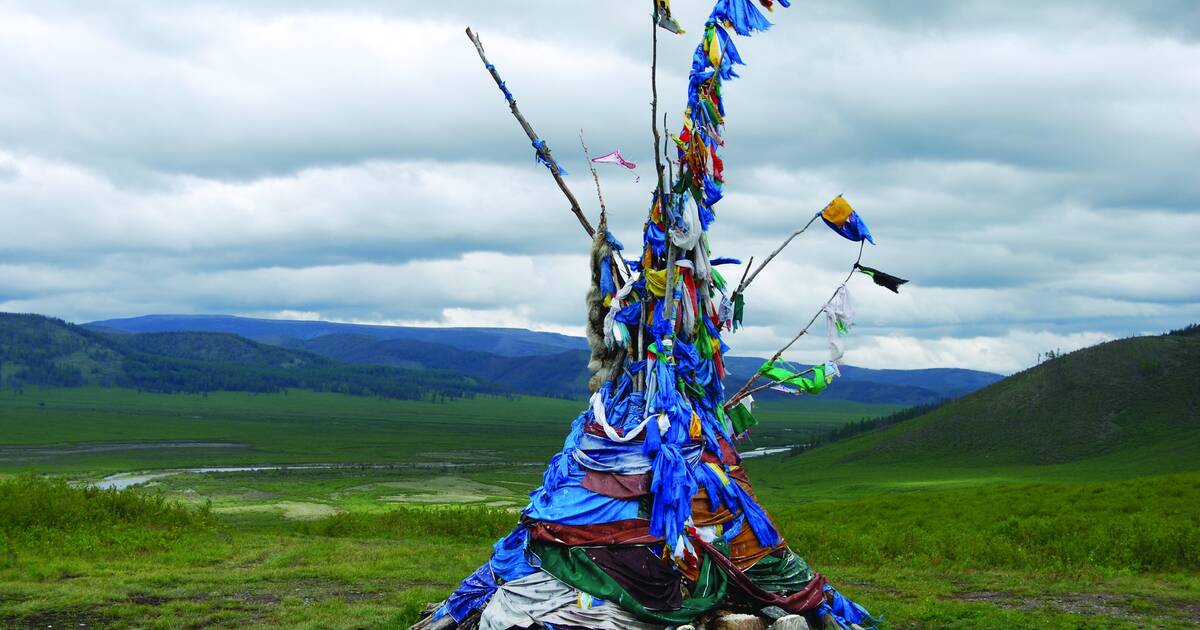
There are several reasons why Genghis Khan’s tomb may still remain undiscovered after centuries.
1. Vast and Remote Landscape
Mongolia’s terrain is enormous and sparsely populated. Mountains, forests, and endless steppe make archaeological exploration extremely difficult.
2. Cultural Protection
Many sacred areas are protected by Mongolian law and tradition, limiting excavation efforts.
3. Lack of Written Records
Unlike many civilizations, the Mongols left relatively few detailed records of burial practices.
4. Intentional Secrecy
If the burial legends are even partially true, the Mongols took extraordinary measures to ensure the tomb could never be found.
A Mystery That Still Fascinates the World
The hidden tomb of Genghis Khan remains one of the greatest unsolved mysteries in archaeology. While modern technology continues to advance, researchers must balance scientific curiosity with respect for Mongolian culture and history.
For explorers like Josh Gates and the team behind Expedition Unknown, the search is about more than just discovering treasure or artifacts. It is about understanding the legacy of a leader whose influence changed the course of global history.
Whether the tomb is ever discovered or remains forever hidden beneath Mongolia’s windswept mountains, the legend of Genghis Khan continues to inspire curiosity, adventure, and debate.
In the end, the greatest conqueror in history may have achieved one final victory—keeping his last secret hidden from the world.
DL