The Curse of Oak Island: Silver Treasure Discovered in the Money Pit (Season 12)
The Curse of Oak Island: Silver Treasure Discovered in the Money Pit (Season 12)

In this episode of The Curse of Oak Island, Gary Drayton and Peter Fornetti are digging through spoils from Lot 5, where an intriguing stone-lined feature was excavated the previous year. They are hoping to uncover more artifacts that could shed light on the age and purpose of this mysterious structure, which has already yielded objects spanning several centuries—from a 14th-century lead barter token to 17th-century iron tools.
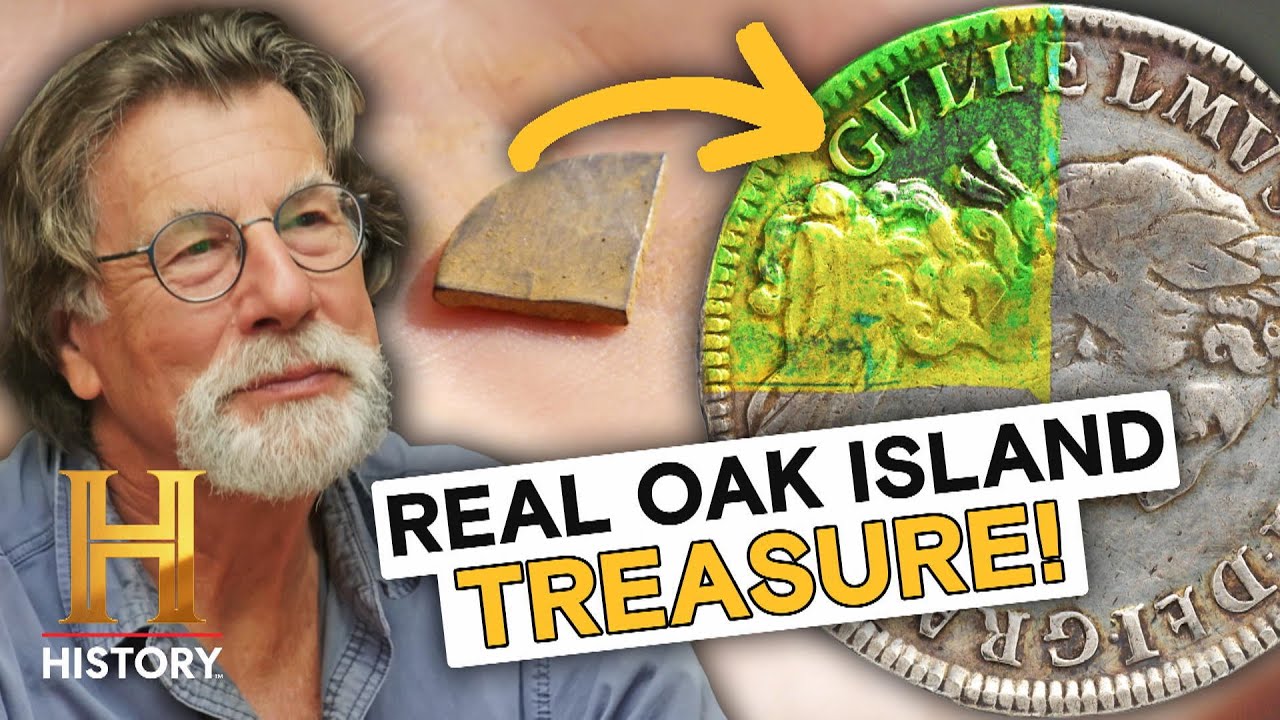
The excitement is palpable as they begin their search, and it’s not long before Gary picks up a promising signal on his metal detector. The moment of discovery comes when they unearth a cut coin, which Gary speculates could be Spanish and made of silver. Such coins, particularly from the 15th to 18th centuries, were often cut into quarters or other pieces to be used as smaller denominations, especially by pirates or military personnel.
The discovery is a big win for Gary and Pete, as they enthusiastically head back to the Oak Island Laboratory to show the find to Rick, Jack Begley, and archaeologist Laird Niven. At the lab, the coin is analyzed with a CT scanner and X-ray fluorescence (XRF) technology, which reveal a surprising twist. While the initial assumption was that the coin might be Spanish, Emma Culligan’s analysis confirms that the coin is, in fact, a silver English shilling from the reign of King William III, dating back to the 1690s. This shilling matches in design, size, and composition. The coin also shows faint engravings, suggesting it may have been in circulation for some time, potentially indicating it was part of a payment or exchange rather than a component of treasure.
This new information raises intriguing possibilities. As Marty and Laird discuss, the coin’s age and origin suggest that the feature on Lot 5 may have been used during a period of British military activity on Oak Island, particularly in the late 1600s when treasure recovery operations might have been underway. Doug Crowell adds to the theory by pointing out that the coin fits the timeline of failed treasure recovery attempts by British forces, as described in a 1999 book by Graham Harris and Les MacPhie. These authors proposed that British military personnel may have tried to recover the treasure of the Concepción, a ship that sank off the coast of Nova Scotia.



The discovery of the English shilling deepens the mystery of Oak Island. It could point to a period of occupation or activity on the island by English forces—possibly related to treasure hunts or military operations in the late 17th century. As the team continues to dig and analyze artifacts from Lot 5, the search for definitive answers about Oak Island’s history and its lost treasure seems closer than ever. The mystery continues to evolve, with each discovery providing a new clue or perspective on the island’s enigmatic past.