Josh Gates Investigates the Secrets of Khufu’s Great Pyramid | Expedition Unknown
Josh Gates Investigates the Secrets of Khufu’s Great Pyramid | Expedition Unknown

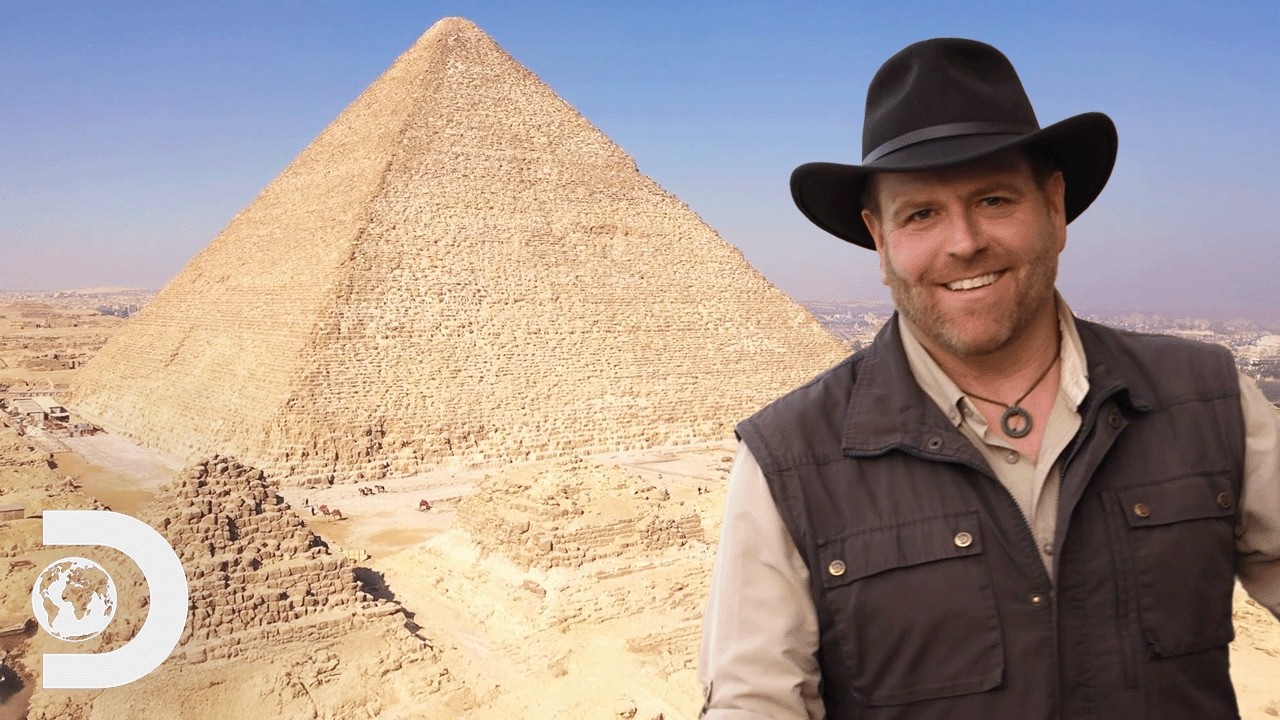
A Journey Into the Heart of Ancient Egypt
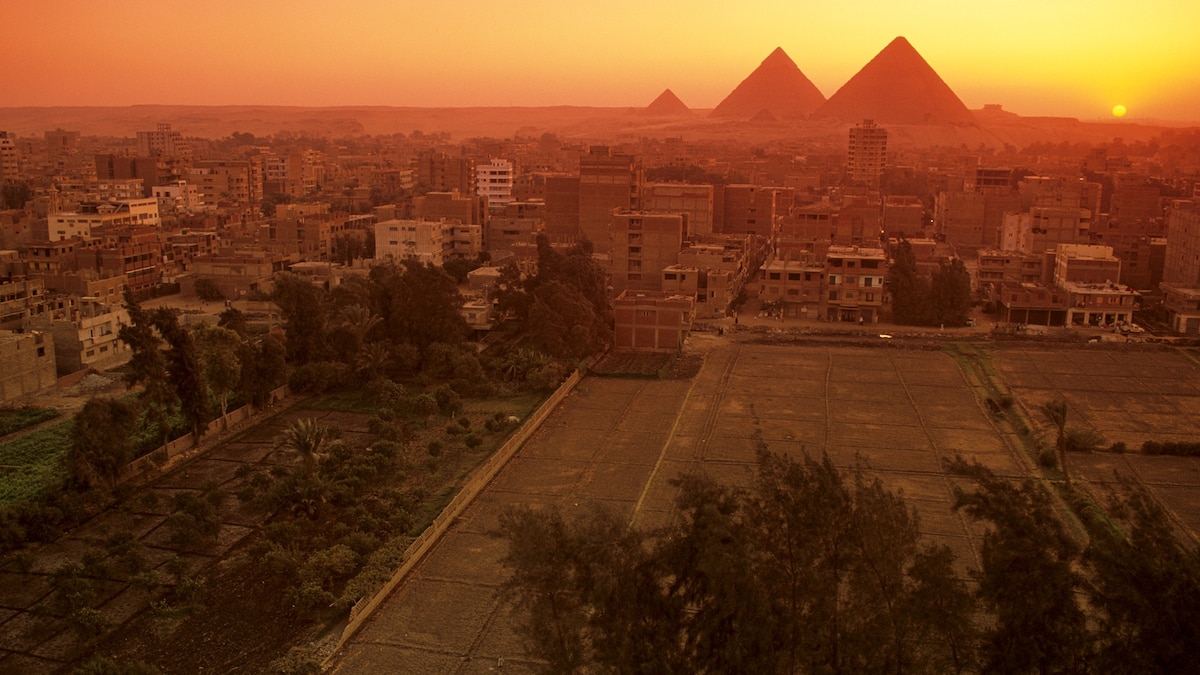


For thousands of years, the Great Pyramid of Giza has stood as one of humanity’s most extraordinary architectural achievements. Built more than 4,500 years ago during Egypt’s Fourth Dynasty, the pyramid was constructed as the tomb of the pharaoh Khufu. Yet despite centuries of study, many questions about the monument remain unanswered.
In an unforgettable episode of Expedition Unknown, explorer and television host Josh Gates travels to Egypt to investigate the enduring mysteries hidden within the ancient structure. His investigation combines cutting-edge technology, historical research, and rare access to areas few people ever get to see.
The result is a fascinating journey into one of the world’s most iconic archaeological wonders.
The Pyramid That Changed History


The Great Pyramid of Giza is the largest and oldest of the three pyramids on the Giza Plateau. Originally standing about 146 meters (481 feet) tall, it remained the tallest man-made structure in the world for more than 3,800 years.




Constructed with an estimated 2.3 million limestone and granite blocks, each weighing several tons, the pyramid continues to astonish modern engineers and historians. How ancient Egyptians managed to move and precisely position these massive stones without modern machinery remains one of the great puzzles of archaeology.
During his investigation, Josh Gates explores theories about the construction process. Some scholars believe workers used massive ramps to move the stones into place, while others suggest internal spiral ramps hidden within the pyramid’s structure. Gates consults archaeologists and engineers who analyze these possibilities using modern simulations and structural studies.
What becomes clear is that the builders possessed remarkable knowledge of mathematics, geometry, and organization.
Inside the Pyramid: Hidden Chambers and Passageways
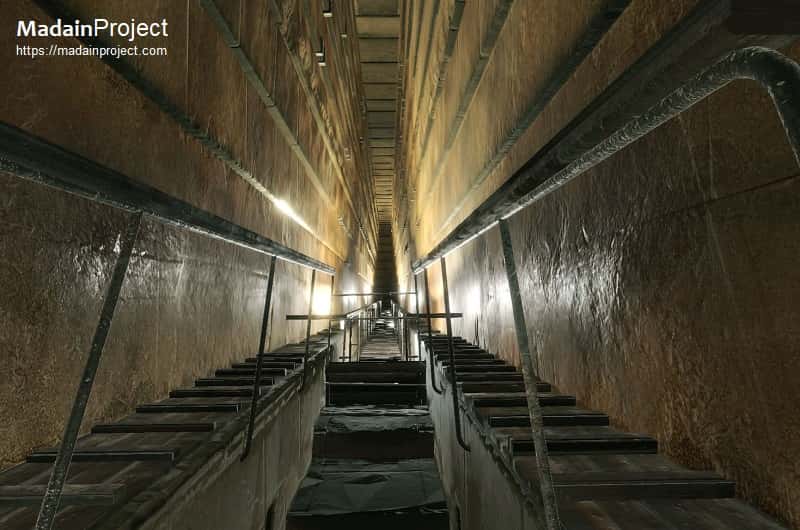

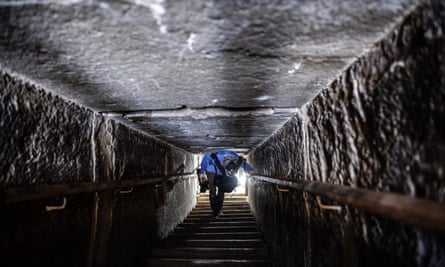
One of the most thrilling moments of the episode occurs when Gates is granted rare access inside the pyramid itself. While millions of tourists visit Giza each year, only a limited number ever experience the claustrophobic corridors deep within the structure.
Inside the pyramid are several well-known chambers, including the King’s Chamber, the Queen’s Chamber, and the spectacular Grand Gallery, a steep corridor that leads upward through the monument’s core.
As Gates climbs through the narrow passages, he reflects on the incredible effort required to construct these spaces thousands of years ago. Massive granite blocks line the King’s Chamber, some weighing up to 70 tons and transported from quarries hundreds of kilometers away.
The exploration raises an intriguing question: Were there additional chambers still undiscovered?
Modern scanning technology has suggested that the answer might be yes.
Modern Technology Reveals Ancient Secrets
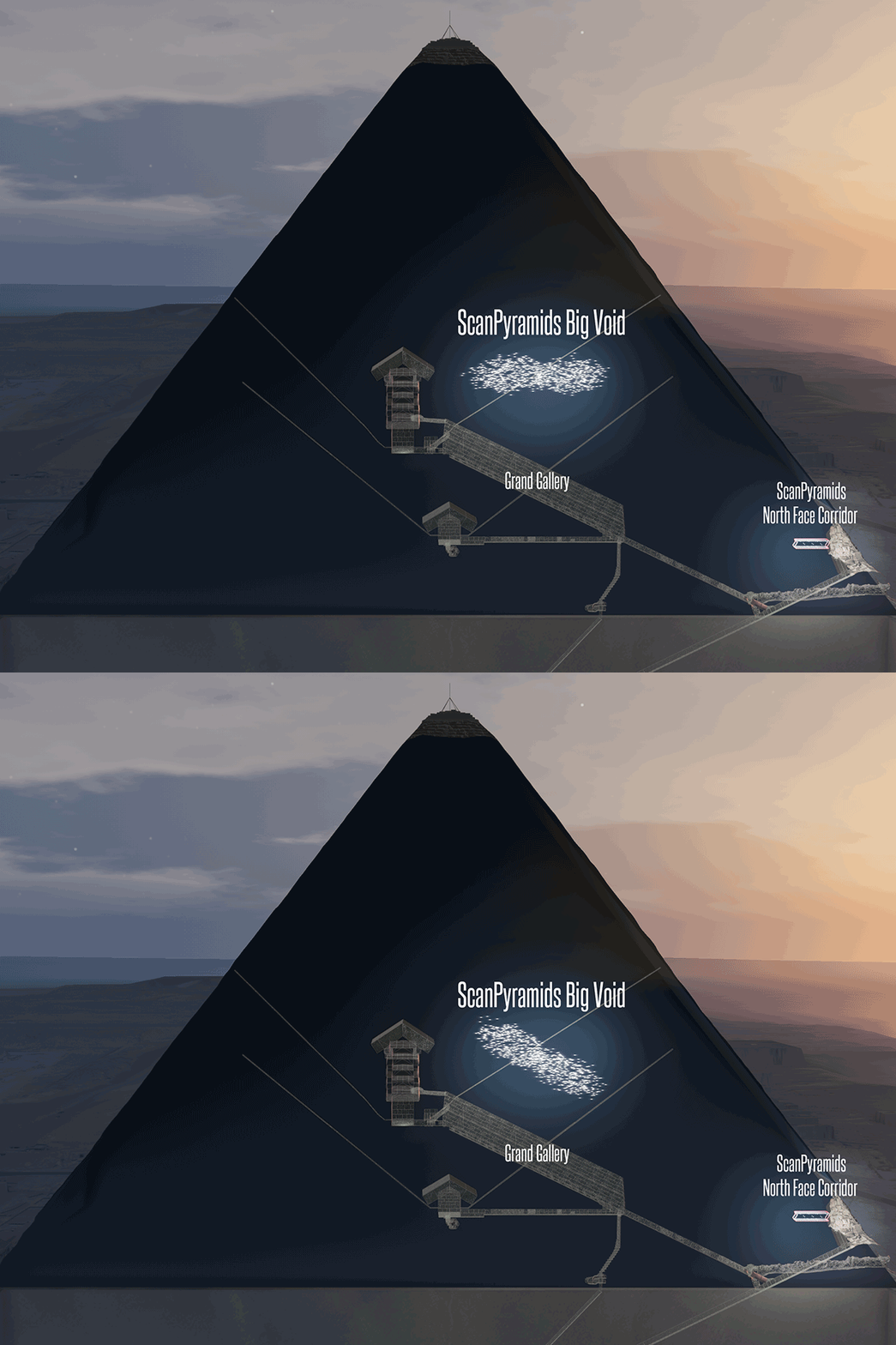
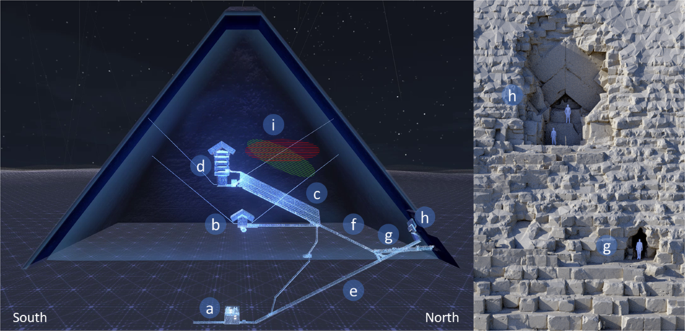
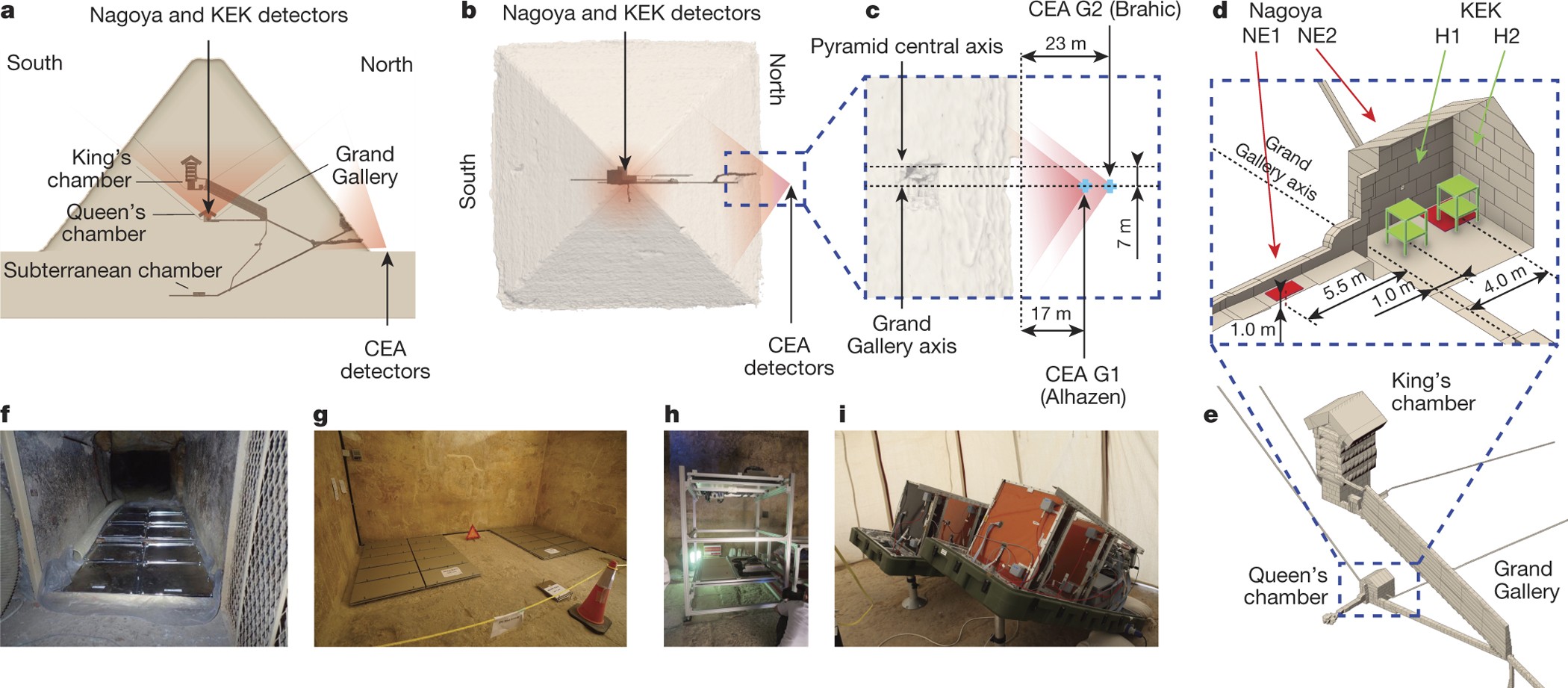
To investigate hidden spaces within the pyramid, Gates examines groundbreaking research from scientists using muography, a technique that detects cosmic particles passing through stone.
This technology allows researchers to effectively “X-ray” massive structures like pyramids without damaging them. By measuring how muons pass through the pyramid’s interior, scientists can identify voids or hidden cavities.
In 2017, researchers involved in the ScanPyramids project announced the discovery of a large previously unknown void located above the Grand Gallery. The mysterious space is at least 30 meters long, making it one of the most significant discoveries inside the pyramid in modern times.
During the Expedition Unknown investigation, Gates speaks with experts involved in the project to understand what the hidden chamber might be.
Could it be a secret passage?
A structural space designed to relieve pressure?
Or perhaps an undiscovered ceremonial chamber linked to Khufu’s burial rituals?
The answer remains uncertain, fueling further intrigue.
The Mystery of Khufu Himself


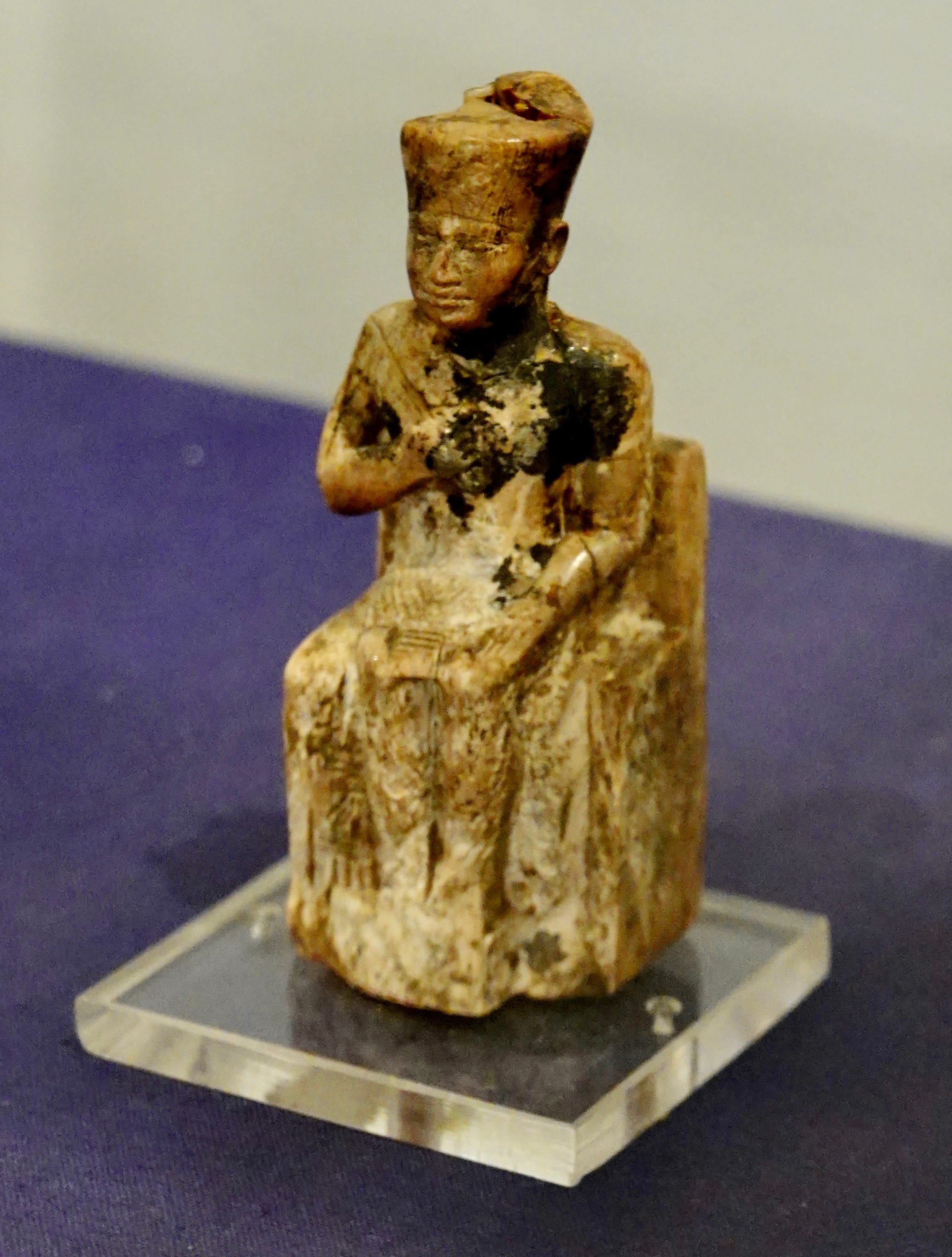
Ironically, although the Great Pyramid is the most famous tomb in history, very little physical evidence of Khufu himself has ever been discovered.
Only a few small artifacts linked to the pharaoh survive today, including a tiny ivory statue believed to depict him. His mummy has never been found, and the pyramid’s burial chamber was already empty when explorers first entered it centuries ago.
Gates investigates the possibility that Khufu’s burial treasures were removed by ancient robbers not long after the pyramid was completed. Tomb robbery was a major issue in ancient Egypt, even during the pharaohs’ own era.
Still, the absence of clear burial remains raises fascinating questions:
-
Was the pyramid truly Khufu’s final resting place?
-
Were hidden burial chambers never discovered?
-
Or was the tomb emptied during ancient political turmoil?
These mysteries continue to inspire debate among historians.
A Monument That Still Guards Its Secrets
Despite centuries of exploration, the Great Pyramid remains far from fully understood. New technologies are revealing clues that previous generations of archaeologists could only dream of discovering.
For Josh Gates, the investigation highlights how ancient monuments can still surprise us.
Standing in the shadow of the towering pyramid at Giza, Gates reflects on the incredible legacy of the ancient Egyptians. The builders who constructed this monument more than four millennia ago left behind a structure so complex and precise that modern researchers are still uncovering its secrets today.
The episode of Expedition Unknown reminds viewers that history is not static. Every new discovery has the potential to reshape what we know about the past.
And when it comes to Khufu’s Great Pyramid, the world’s most famous ancient monument may still be hiding its greatest secret deep within the stone.