Josh Gates Investigates The Mystery Of George Mallory’s Fatal Everest Climb | Expedition Files
Josh Gates Investigates The Mystery Of George Mallory's Fatal Everest Climb | Expedition Files

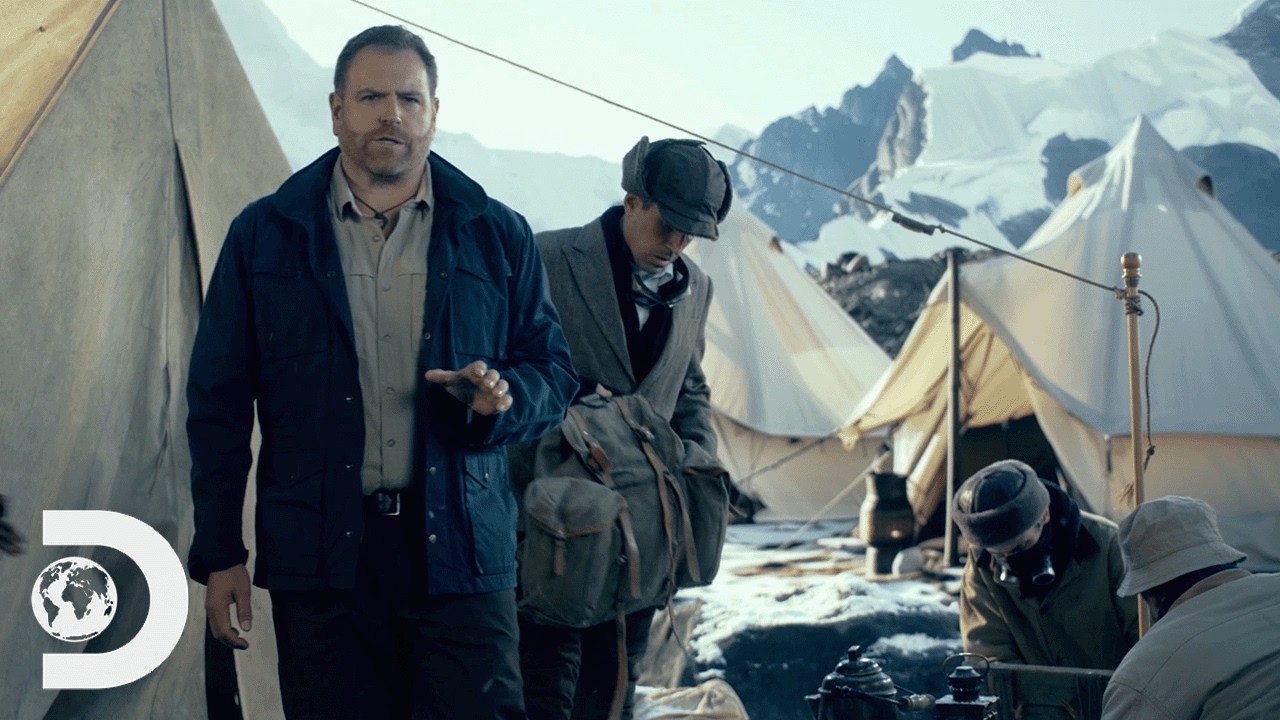
Mount Everest has long stood as the ultimate symbol of human ambition and endurance. Rising 8,848 meters (29,032 feet) above sea level, the world’s highest peak has drawn explorers, adventurers, and climbers for more than a century. Yet among all the dramatic stories tied to Everest, few are as haunting as the mystery surrounding George Mallory and his final expedition in 1924.
In the investigative series Expedition Files, Josh Gates revisits this legendary mystery, examining whether Mallory might have been the first person to reach the summit of Everest—nearly three decades before Edmund Hillary and Tenzing Norgay officially achieved the feat in 1953. Through historical analysis, interviews with experts, and a look at the latest discoveries on Everest, Gates explores the lingering question that has fascinated climbers and historians for generations: Did George Mallory reach the top of Everest before he died?
The Dream of Conquering Everest

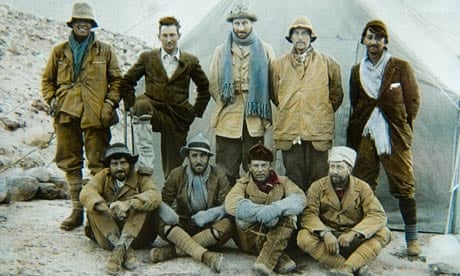

In the early 20th century, Everest remained unconquered. The mountain represented the last great geographical challenge on Earth, and the British were determined to be the first to stand on its summit. Among the climbers chosen for these early expeditions was George Mallory, a talented mountaineer and former schoolteacher whose passion for climbing was matched only by his determination.
Mallory participated in several British expeditions to Everest during the 1920s. At the time, the northern route through Tibet was the only accessible path to the mountain. Climbers faced extreme conditions: thin air, brutal winds, primitive equipment, and very limited knowledge about high-altitude survival.



When asked why he wanted to climb Everest, Mallory famously replied with the legendary phrase: “Because it’s there.” That simple statement captured the spirit of exploration that defined the era.
By 1924, Mallory had already attempted Everest twice without reaching the summit. Determined to succeed, he joined the Third British Everest Expedition alongside a young climber named Andrew Irvine, a talented engineer known for his mechanical skills and strength.
Their goal was clear: reach the summit of Everest and make history.
The Final Climb
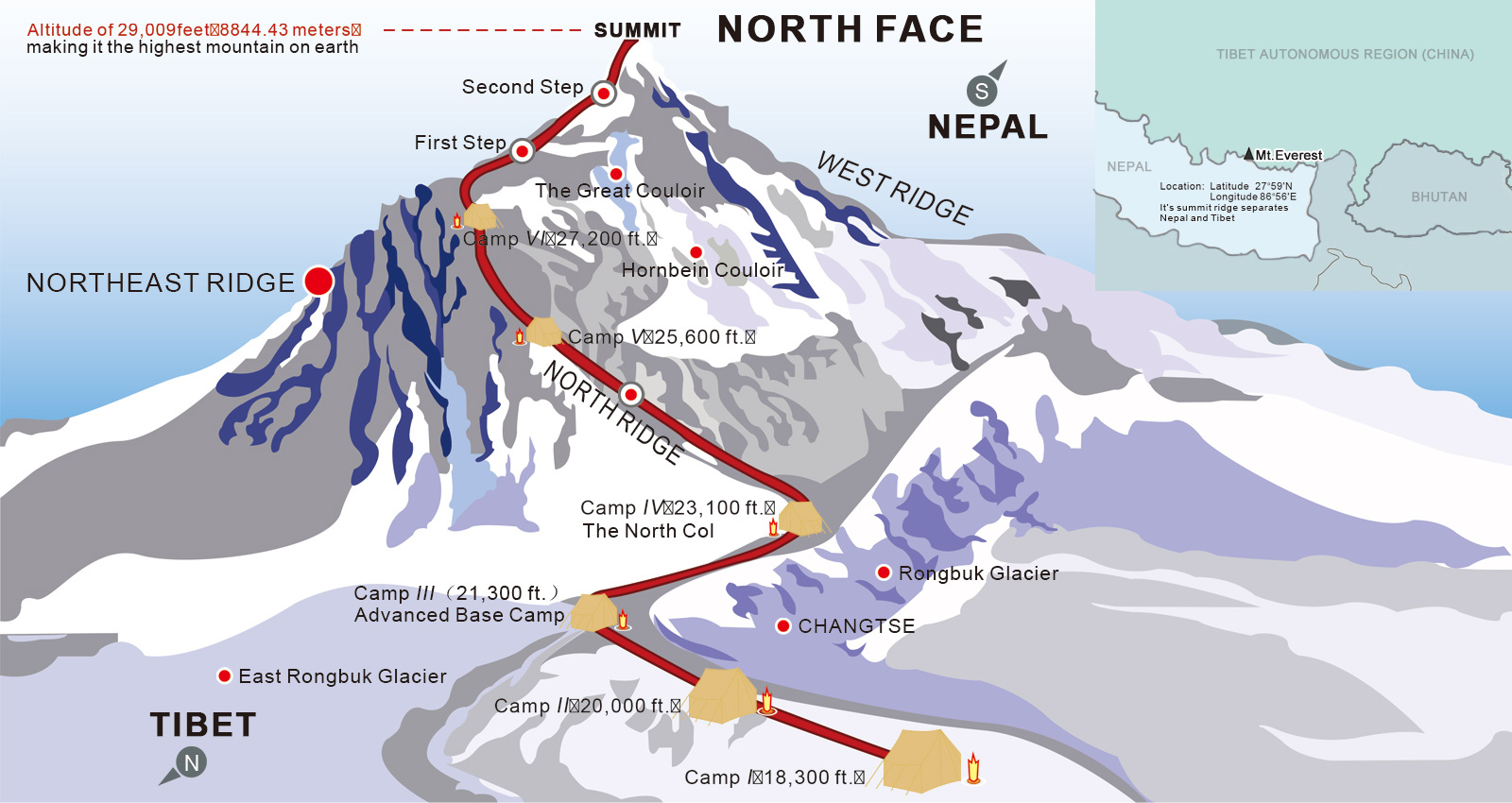
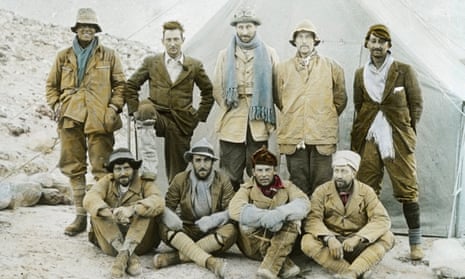
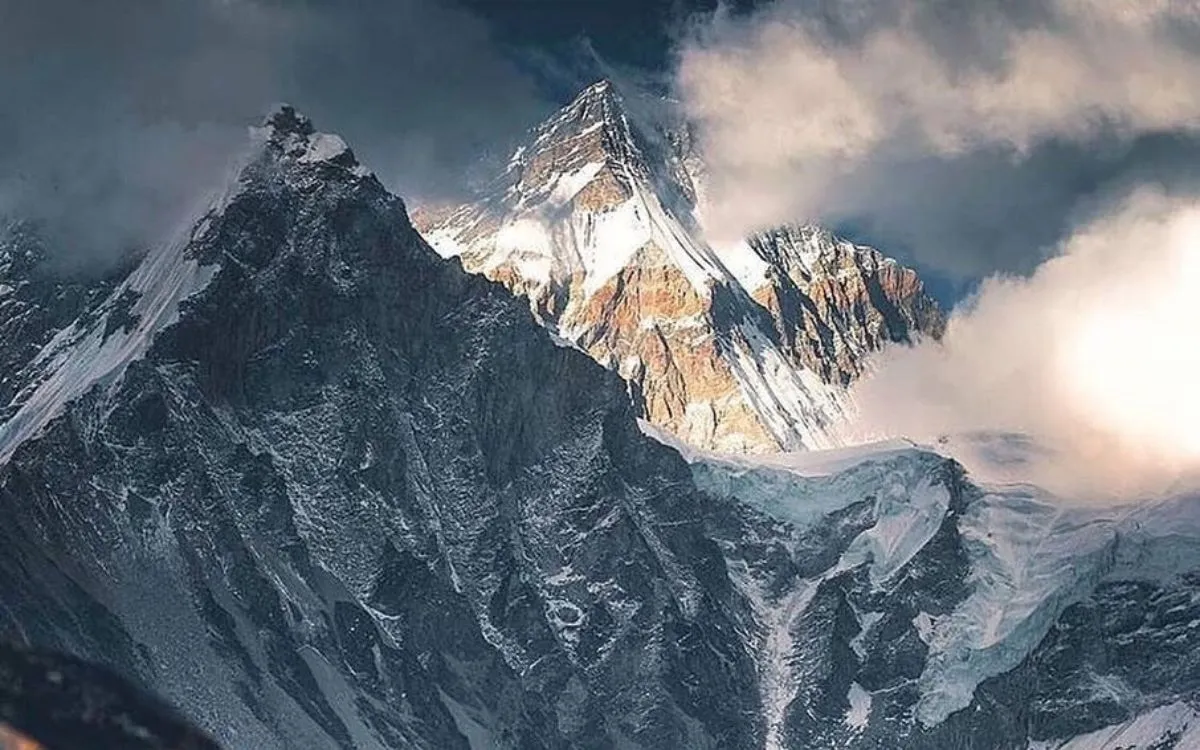
On June 8, 1924, Mallory and Irvine began their final push toward the summit from a high camp located more than 26,000 feet above sea level. At such altitudes, oxygen levels are barely a third of what they are at sea level, making every movement exhausting and dangerous.
The two climbers carried primitive oxygen equipment, which was still experimental at the time. Their gear was far heavier and less reliable than modern climbing technology, yet it gave them a chance to survive in the so-called “death zone.”
That morning, another expedition member, Noel Odell, watched from below as Mallory and Irvine climbed higher along the Northeast Ridge. Through a break in the clouds, Odell briefly saw the pair ascending a rock step high on the ridge.
It was the last confirmed sighting of the two men alive.
Soon after, clouds swallowed the mountain again. Mallory and Irvine vanished into history.
The Mystery Begins
For decades after the expedition, climbers and historians debated what happened to the pair. The key question was whether they turned back before reaching the summit—or whether they actually made it to the top and died during the descent.
If Mallory had reached the summit in 1924, he would have beaten Hillary and Norgay by nearly 30 years. That possibility turned the disappearance into one of the greatest mysteries in mountaineering history.
Josh Gates, in Expedition Files, explores this question by revisiting the evidence and examining how the mystery evolved over time.
Several clues have fueled speculation:
-
Mallory was known to carry a photograph of his wife, Ruth, which he planned to leave on the summit if he reached it.
-
When his body was eventually discovered decades later, the photograph was missing.
-
The terrain where he was found suggested a fall during descent rather than ascent.
But none of these clues provide definitive proof.
The Discovery of Mallory’s Body
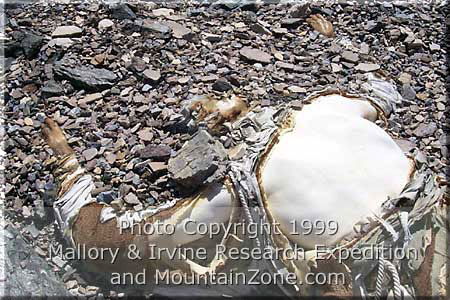
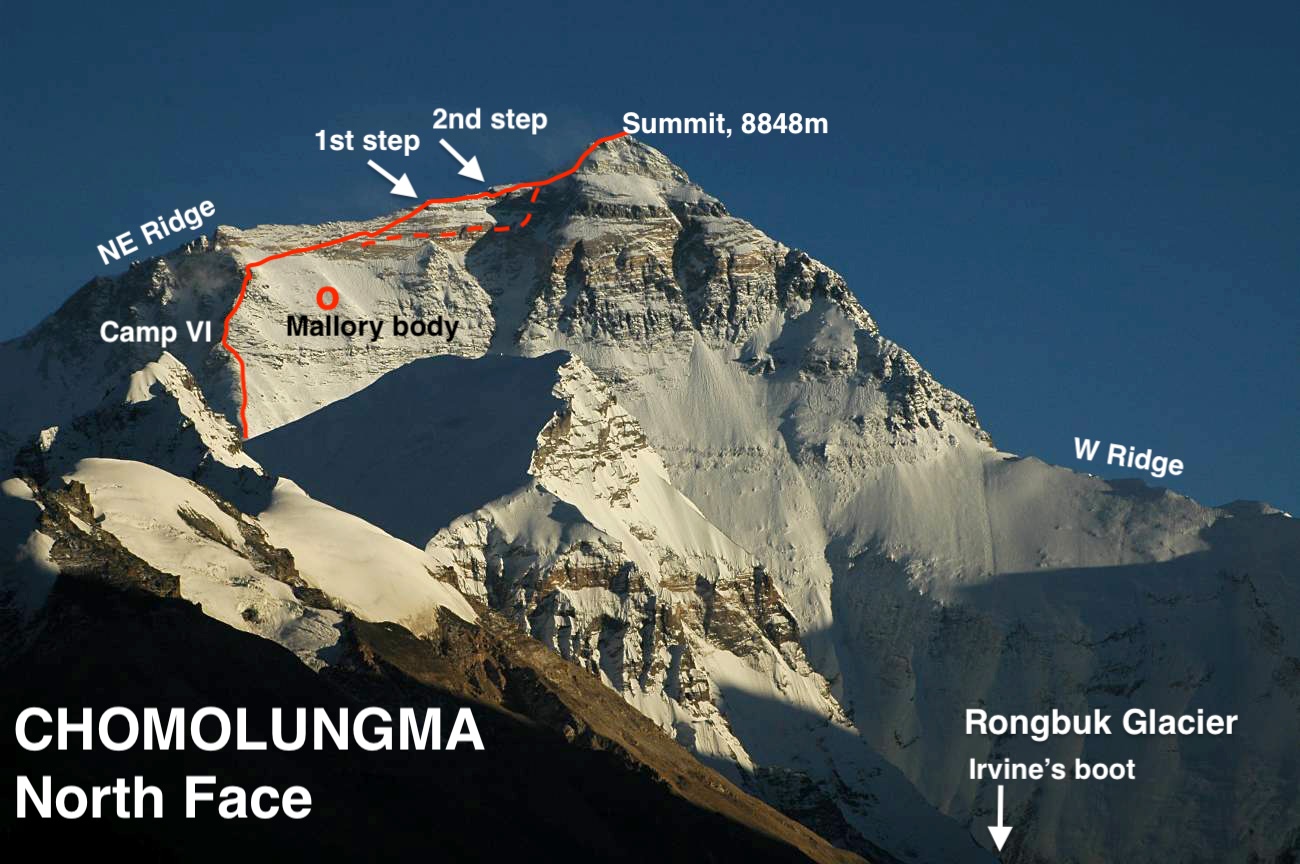

In 1999, a modern expedition searching for clues about the lost climbers made a shocking discovery. High on the northern slopes of Everest, at approximately 26,760 feet, researchers located the frozen body of George Mallory.
After seventy-five years in the harsh mountain environment, the body was remarkably preserved by the cold. Mallory’s clothing, equipment, and personal items were still largely intact.
The discovery offered a rare chance to investigate the mystery scientifically.
Among the items recovered were:
-
Goggles
-
A pocketknife
-
Altimeter fragments
-
Letters and personal belongings
However, one crucial object was missing: the camera Mallory and Irvine had carried. If the camera could be found and the film developed, it might reveal whether they reached the summit.
Unfortunately, the camera was not with Mallory’s body.
Investigators believe Andrew Irvine may still have been carrying it when he died.
The Missing Camera
One of the most intriguing aspects of the mystery is the lost Kodak camera Mallory and Irvine took with them. Experts believe that if the camera were recovered, modern technology might still be able to develop the film—even after decades in extreme conditions.
This possibility keeps the search alive.
Josh Gates explores this idea in Expedition Files, interviewing climbers and historians who continue to search the slopes of Everest for Irvine’s body. If Irvine is found, the camera might finally reveal what happened on that fateful day.
Some climbers believe Irvine fell earlier during the descent, while Mallory attempted to climb down alone. Others believe both men may have fallen together during a sudden storm.
But until the camera is discovered, the truth remains hidden somewhere on the mountain.
Could Mallory Have Reached the Summit?
Many experts argue that reaching the summit in 1924 would have been extraordinarily difficult—but not impossible.
Mallory was one of the strongest climbers of his generation, and he had spent years studying Everest’s terrain. However, several major obstacles stood in his way, including a steep rock barrier known as the Second Step, located high on the Northeast Ridge.
Today, modern climbers use ladders installed by Chinese expeditions to cross the Second Step. Without those ladders, the climb is extremely difficult at high altitude.
Some historians believe the obstacle would have stopped Mallory. Others argue that a skilled climber might have found a way around it.
Josh Gates examines these competing theories and consults climbing experts who attempt to recreate the conditions Mallory faced. Their analysis shows just how extraordinary the 1924 attempt really was.
A Legacy of Courage
Whether or not Mallory reached the summit, his attempt remains one of the most remarkable achievements in mountaineering history. The courage required to climb Everest with the equipment of the 1920s is almost unimaginable today.
Modern climbers benefit from advanced gear, weather forecasting, satellite communication, and established routes. Mallory and Irvine had none of these advantages.
Yet they still came within sight of the summit.
Their story continues to inspire climbers around the world, reminding us of the powerful human desire to explore the unknown.
The Mystery That Endures
Nearly a century after Mallory and Irvine disappeared, the mystery of their final climb remains unsolved. Each year, climbers passing along the northern route of Everest know they are walking through the final chapter of one of exploration’s greatest legends.
Josh Gates’ investigation in Expedition Files brings renewed attention to this enduring question. By combining historical records, modern scientific analysis, and firsthand exploration, the show highlights how mysteries from the past can still captivate the present.
Somewhere on Everest, perhaps hidden beneath ice or snow, the final clue may still exist.
If Andrew Irvine’s body—and the missing camera—are ever discovered, the world might finally learn whether George Mallory achieved the impossible in 1924.
Until then, the mountain keeps its secret.
And the question remains:
Did George Mallory stand on the roof of the world before he died?