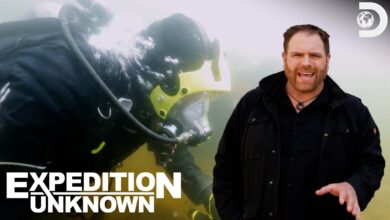
Josh Gates Falls Ill After Daring Dive into Namibia’s ‘Cursed’ Lake Otjikoto: The Hidden Dangers of Hunting WWI Treasure
Josh Gates Falls Ill After Daring Dive into Namibia’s ‘Cursed’ Lake Otjikoto: The Hidden Dangers of Hunting WWI Treasure

 In the heart of Namibia’s arid landscape lies a deceptively serene body of water: Lake Otjikoto. This sinkhole lake, one of only two permanent natural lakes in the country, has long captivated historians and adventurers alike with its murky depths and whispers of lost World War I treasure. For explorer and television host Josh Gates, star of Discovery Channel’s Expedition Unknown, a dive into its waters during filming of the episode “Africa’s Cursed Lake of Gold” turned from thrilling discovery into a harrowing battle with illness. What began as a quest for sunken German gold evolved into a stark reminder of the unpredictable perils that lurk beneath the surface—and within the human body.
Lake Otjikoto, located near Tsumeb in northern Namibia, measures roughly 100 meters across but plunges to depths exceeding 90 meters, with lateral cave systems that may extend even deeper. Its name, translating roughly to “the place where the cattle died” in the local Herero language, carries ominous undertones. During World War I, as German Schutztruppe forces retreated from advancing South African and British troops in 1915, they dumped vast quantities of military hardware into the lake to prevent it from falling into enemy hands. Rifles, ammunition crates, cannons, and even a steam engine vanished into the abyss.
Legend has it that the retreating Germans also sank a sealed safe containing millions in gold marks—estimates vary, but some accounts speak of up to 6 million marks’ worth of treasure. For nearly a century, this story has persisted, drawing divers and treasure hunters despite the lake’s challenging conditions: cold water, extreme depths, poor visibility, and the ever-present risk of entanglement in submerged wreckage.
Gates, known for his intrepid global expeditions, arrived in Namibia with his team to investigate these claims. The episode, which aired as part of Season 3 of Expedition Unknown, showcased the host’s signature blend of historical research, on-site exploration, and high-stakes diving. Accompanied by local experts and technical divers, Gates prepared for what would be one of the most technically demanding dives of his career. The team recovered and documented artifacts, including preserved military equipment, but the golden safe remained elusive. What the cameras didn’t fully capture at the time was the personal toll the expedition would take on Gates himself.
The Dive That Changed Everything
Diving in Lake Otjikoto is no casual swim. The water is notoriously cold, with temperatures that can sap body heat rapidly even in technical drysuits. Visibility is limited by sediment and algae, and the lake’s karst geology creates unpredictable underwater passages. Gates and his team employed advanced scuba and rebreather technology to reach significant depths, searching the lakebed and probing side caves for any sign of the legendary safe.



According to accounts from the production and subsequent interviews, the dives were grueling. Strong currents near the deeper sections, combined with the psychological pressure of operating in near-total darkness, tested the limits of the crew. Gates, ever the enthusiastic narrator, described the eerie beauty of rusted cannons standing sentinel on the lake floor, their barrels still pointing defiantly after a century underwater.
Yet shortly after surfacing from one of the deeper excursions, Gates began experiencing symptoms that would sideline him. Initial reports from the team described severe gastrointestinal distress, including nausea, vomiting, stomach cramps, and profound fatigue. What many assumed was simple exhaustion or a reaction to the cold quickly escalated. Medical evaluations pointed toward possible causes ranging from decompression-related issues to exposure to contaminants in the lake water.
Unraveling the Mystery of the Illness
Speculation ran wild in the days following the incident. Was it decompression sickness (“the bends”), a common hazard in deep dives? Or something more insidious? Lake Otjikoto, while pristine in appearance, sits in a region with a mining history. Namibia’s northern areas have long been associated with copper and other mineral extraction, raising questions about heavy metal contamination or bacterial presence in the enclosed waters.
Medical experts consulted after the event suggested several plausible explanations. Prolonged exposure to cold water can suppress the immune system, making divers more susceptible to infections. Ingesting even small amounts of water during a dive—common in technical operations—could introduce pathogens or toxins. Additionally, the physical stress of multiple deep dives in quick succession increases the risk of barotrauma or nitrogen narcosis effects lingering post-dive.
Gates himself has spoken candidly in later interviews about the physical demands of Expedition Unknown. While he did not publicly detail every symptom from Otjikoto, fans and followers noted his absence from immediate follow-up shoots and reports of him seeking medical attention upon returning from Namibia. His long-standing battle with Crohn’s disease, managed successfully through surgery years earlier, may have complicated recovery, as chronic conditions can amplify the impact of environmental stressors.
Production sources later revealed that the team took extensive precautions, including water quality testing, but the lake’s unique ecosystem defied easy predictions. The “curse” narrative, long attached to Otjikoto by locals wary of its depths, gained new traction among viewers. Some attributed Gates’ malaise to supernatural forces guarding the lost gold, while skeptics pointed to very real scientific risks.
The Broader Context: Treasure Hunting’s Human Cost
Josh Gates’ experience shines a light on the often-overlooked dangers of adventure television. Expedition Unknown has taken Gates to some of the planet’s most remote and hazardous locations, from Egyptian tombs to Himalayan peaks. Yet underwater environments present unique challenges: isolation, limited communication, and delayed symptom onset.
The WWI treasure at Otjikoto represents more than gold; it embodies colonial history, military desperation, and the enduring allure of the unknown. While some artifacts have been recovered and now reside in the Tsumeb Museum, the bulk of the lake’s secrets—and potentially the safe—remain submerged. Efforts to salvage more items continue under strict heritage protections, as Otjikoto was declared a national monument in 1972.
Gates’ illness, though serious, was not life-threatening. He recovered after a period of rest, hydration therapy, and antibiotics, returning stronger to future expeditions. The episode itself became one of the series’ most watched, blending history, archaeology, and personal drama.
Lessons from the Depths
In the aftermath, Gates reflected on the importance of preparation and respect for local environments. “Every dive, every trek teaches you something new about the world—and about yourself,” he remarked in a post-production featurette. His team now emphasizes even stricter health protocols for aquatic expeditions, including comprehensive pre- and post-dive medical screenings.
For enthusiasts inspired by the show, the Otjikoto story serves as a cautionary tale. Diving permits for the lake are restricted, and experts strongly advise against amateur attempts. The combination of depth, cold, and historical hazards demands professional training and support.
Today, Lake Otjikoto remains a site of fascination. Tourists visit its shores to peer into the crystalline yet impenetrable waters, imagining the fortune that might still lie below. The legend of the Kaiser’s lost gold endures, much like the cannons that rest silently on the lakebed.
Josh Gates’ brush with illness did not deter his passion for exploration. If anything, it reinforced his commitment to uncovering truth amid danger. As Expedition Unknown continues to captivate audiences worldwide, episodes like the one at Otjikoto remind us that the greatest treasures are often the stories—and the resilience—we bring back to the surface.
In an era where armchair adventurers scroll through polished footage, Gates’ real-world ordeal humanizes the quest. The curse of Lake Otjikoto may not be supernatural, but the very real risks of venturing into the unknown ensure that such expeditions will always carry a price. For Gates, that price was temporary sickness; the reward was another chapter in humanity’s endless pursuit of history’s hidden chapters.