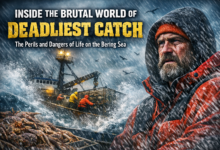
The Bering Sea is one of the most unforgiving environments on Earth—an icy, unpredictable expanse where towering waves, freezing winds, and relentless isolation test even the toughest individuals. It is here that Deadliest Catch, the long-running reality television series, captures the raw, unfiltered reality of crab fishing—widely considered one of the most dangerous professions in the world.
Premiering on the Discovery Channel in 2005, Deadliest Catch follows crews aboard fishing vessels as they battle the elements in pursuit of Alaskan king crab and snow crab. What sets the show apart from typical reality TV is its authenticity. There are no scripted moments, no staged drama—only real people risking their lives for a chance at a lucrative catch.
At the heart of the series are the fishermen themselves: rugged, sleep-deprived, and driven by a combination of necessity and pride. These men—and occasionally women—work grueling shifts that can last up to 20 hours a day. Their hands are calloused, their bodies battered, and their mental endurance constantly pushed to the limit. For them, exhaustion is not an excuse; it is part of the job.
The dangers they face are constant and often life-threatening. One wrong step on the icy deck can lead to serious injury—or worse, being swept overboard into freezing waters where survival time is measured in minutes. Equipment failures, such as snapping cables or malfunctioning cranes, can turn deadly in seconds. Even the weather itself is an adversary, with waves reaching heights of over 40 feet and winds that can destabilize even the most experienced crew.

Yet, despite the risks, the reward keeps them coming back. A successful season can yield significant financial gain, with crew members earning tens of thousands of dollars in just a few weeks. For many, this high-risk, high-reward dynamic is irresistible. It offers not only financial opportunity but also a sense of identity—being a crab fisherman is not just a job; it is a badge of honor.
The captains play a crucial role in this brutal world. They are leaders, strategists, and decision-makers whose choices can determine the success—or failure—of an entire season. Figures like Sig Hansen and the late Phil Harris became household names, not just for their skill but for their complex personalities. They must balance the pressure of quotas, crew safety, and mechanical reliability while navigating some of the most dangerous waters on the planet.
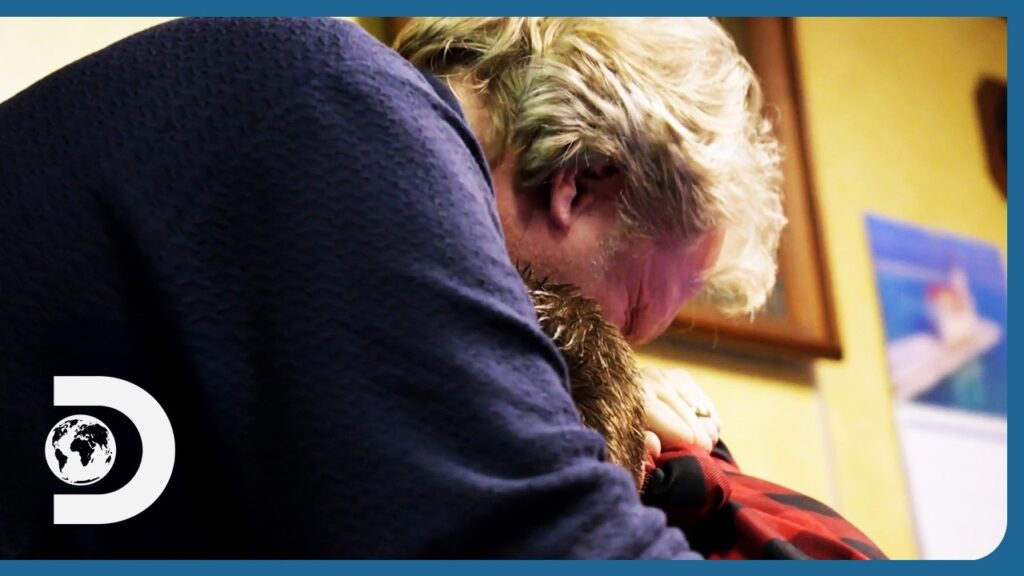
What Deadliest Catch also reveals is the emotional toll of the profession. Long periods away from family, the constant stress of danger, and the unpredictability of each season can weigh heavily on the crew. Relationships are strained, and the line between resilience and burnout is often blurred. The show does not shy away from these realities, offering viewers a glimpse into the human side of a life lived on the edge.
Over the years, the series has also highlighted the evolving nature of the fishing industry. Stricter regulations, changing crab populations, and environmental concerns have reshaped the way crews operate. Sustainability has become a key issue, forcing fishermen to adapt while maintaining their livelihoods. The balance between economic survival and environmental responsibility is a recurring theme that adds depth to the narrative.
Another compelling aspect of Deadliest Catch is its portrayal of camaraderie. In such extreme conditions, trust among crew members is essential. Each person depends on the others for survival, creating bonds that are both intense and enduring. Conflicts inevitably arise—often fueled by stress and fatigue—but they are usually resolved with a shared understanding of the stakes involved.
The show’s production itself is no small feat. Camera operators live and work alongside the crews, enduring the same harsh conditions to capture every moment. Their presence adds another layer of risk, yet their work is crucial in bringing this hidden world to audiences around the globe. The result is a viewing experience that is as immersive as it is harrowing.
Nearly two decades since its debut, Deadliest Catch continues to captivate viewers not because of spectacle, but because of its honesty. It strips away romantic notions of adventure and replaces them with a stark portrayal of survival, resilience, and human determination. It reminds us that behind every plate of seafood lies a story of struggle and sacrifice.
In the end, Deadliest Catch is more than a television show—it is a testament to the enduring spirit of those who choose to face one of the deadliest jobs on Earth. It is a story of courage in the face of chaos, of individuals who venture into the unknown not because it is easy, but because it is who they are.
 DL
DL