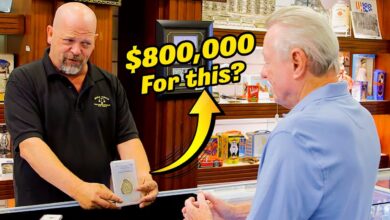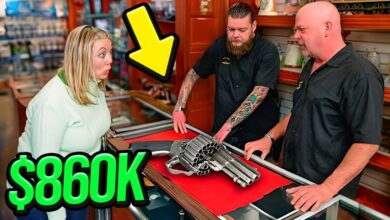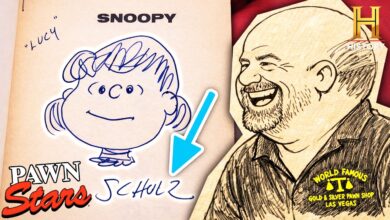
When Paper Becomes Priceless


In a world dominated by digital transactions, it’s easy to forget that paper money once carried not just monetary value, but stories, artistry, and history. On Pawn Stars, rare banknotes and financial artifacts routinely spark excitement, sometimes turning ordinary-looking pieces of paper into extraordinary treasures worth thousands—or even millions—of dollars.
These “High-Dollar History” moments reveal a fascinating truth: currency is more than a medium of exchange. It is a reflection of economic change, political upheaval, and artistic craftsmanship. When rare notes enter the pawn shop, they bring with them echoes of the past—and the potential for life-changing deals.
The Evolution of Paper Money


Paper currency has a long and complex history. In the United States, early examples like Continental Currency from the Revolutionary War era were among the first attempts to standardize paper money. Though many of these notes eventually became worthless due to inflation, surviving specimens are now highly prized by collectors.
Throughout the 19th century, banks issued their own notes, leading to a wide variety of designs and values. These notes often featured intricate artwork, portraits of historical figures, and elaborate engravings—making them miniature works of art.




On Pawn Stars, such notes frequently appear with incredible backstories. A seemingly worn bill might date back over 200 years, connecting it to pivotal moments in history such as wars, economic crises, or the founding of nations.
What Makes a Banknote Valuable?


Not all old money is valuable—but certain characteristics can make a banknote incredibly desirable. On Pawn Stars, experts carefully evaluate several key factors:
- Rarity: Limited print runs or notes that were quickly withdrawn are especially valuable.
- Condition: Notes in uncirculated or near-perfect condition command significantly higher prices.
- Serial Numbers: Unique patterns—like repeating digits or “ladder” sequences—can increase value.
- Errors: Misprints, such as upside-down seals or misaligned designs, are rare and highly collectible.
- Historical Significance: Notes tied to major events or figures often carry premium value.
For example, a misprinted bill might look like a mistake—but to collectors, it’s a one-of-a-kind treasure. Similarly, a note with a rare serial number can sell for far more than its face value.
Famous Finds on the Show


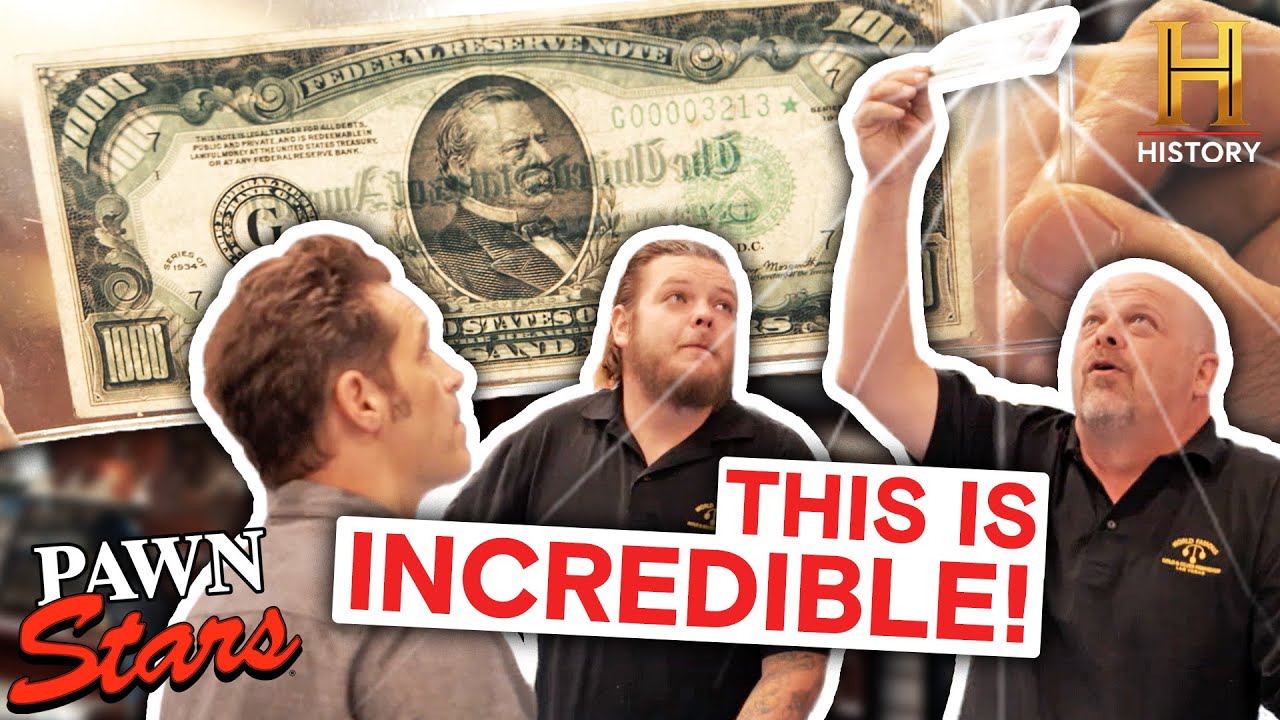
Over the years, Pawn Stars has featured some truly remarkable pieces of currency. Among the most memorable are high-denomination bills and rare historical notes that stunned both the shop and viewers.
Rick Harrison often reacts with cautious excitement when these items appear. He understands that while the potential profit is huge, so is the risk. Authenticating rare currency requires expertise, and even small details can dramatically affect value.
Some standout examples include:
- Large-denomination U.S. bills, such as $5,000 or $10,000 notes, which are no longer in circulation.
- Gold certificates, recognizable by their bright yellow seals, once backed by actual gold reserves.
- “Watermelon” notes, famous for their ornate design and extreme rarity.
Each of these items represents a unique chapter in financial history, making them highly sought after by collectors worldwide.
The Role of Experts


When a rare banknote enters the shop, Rick rarely makes a decision alone. He calls in specialists who can verify authenticity and provide accurate appraisals. These experts use a combination of tools and knowledge:
- Magnification: To inspect fine details and printing techniques.
- Watermark analysis: To confirm authenticity.
- Paper and ink evaluation: To detect counterfeits.
- Historical research: To trace the note’s origin and significance.
Their insights often determine whether a deal moves forward or falls apart. In some cases, a note believed to be valuable turns out to be a reproduction. In others, an overlooked detail transforms a modest item into a jackpot.
Why Collectors Love Rare Currency


The appeal of rare banknotes goes far beyond their monetary value. For collectors, these items offer a tangible connection to history. Holding a centuries-old note can feel like holding a piece of the past.
Collectors are drawn to:
- Artistry: The intricate designs and craftsmanship of older notes.
- History: Each note reflects a specific time and place.
- Rarity: The thrill of owning something few others possess.
- Investment potential: Rare currency can appreciate significantly over time.
On Pawn Stars, these motivations are often on full display. Sellers may part with their treasures reluctantly, while buyers see opportunities to expand their collections or make a profit.
High Stakes, Higher Rewards


“High-Dollar History” segments highlight the unique blend of risk and reward that defines Pawn Stars. A single piece of paper can be worth a fortune—or nothing at all—depending on its authenticity and condition.
This uncertainty is what makes these moments so compelling. Every deal is a gamble, and every note has a story waiting to be uncovered.
In the end, rare banknotes remind us that value is not always obvious. Sometimes, the most unassuming objects hold the greatest worth. And in the world of Pawn Stars, those hidden treasures are always just one appraisal away from changing everything.
Preserving the Past, One Note at a Time
The enduring fascination with rare currency lies in its ability to bridge the gap between history and the present. These notes are more than collectibles—they are artifacts that tell stories of innovation, struggle, and transformation.
Thanks to Pawn Stars, audiences around the world can تجربه the thrill of discovery and the excitement of high-stakes deals. Whether it’s a centuries-old bill or a rare misprint, each piece of currency carries a legacy that continues to captivate.
And as long as history is printed on paper, there will always be those willing to որոն it, preserve it, and—if the price is right—make a deal.
 DL
DL