Finding a Coin of Alexander the Great! | Expedition Unknown
Finding a Coin of Alexander the Great! | Expedition Unknown

The Quest for a Legendary Artifact
Few figures in ancient history capture the imagination like Alexander the Great. Known for building one of the largest empires the world had ever seen, Alexander ruled from Greece to Egypt and deep into Asia before his death in 323 BCE. His influence shaped politics, culture, and trade across continents. Among the most fascinating remnants of his era are the coins minted during and after his reign—small pieces of metal that once circulated across a vast empire.
In an unforgettable episode of Expedition Unknown, explorer Josh Gates sets out to discover whether one of these legendary coins can still be found today. The journey combines archaeology, history, and a bit of treasure hunting, taking viewers deep into the ancient world where Alexander’s legacy still echoes.
The Historical Importance of Alexander’s Coins
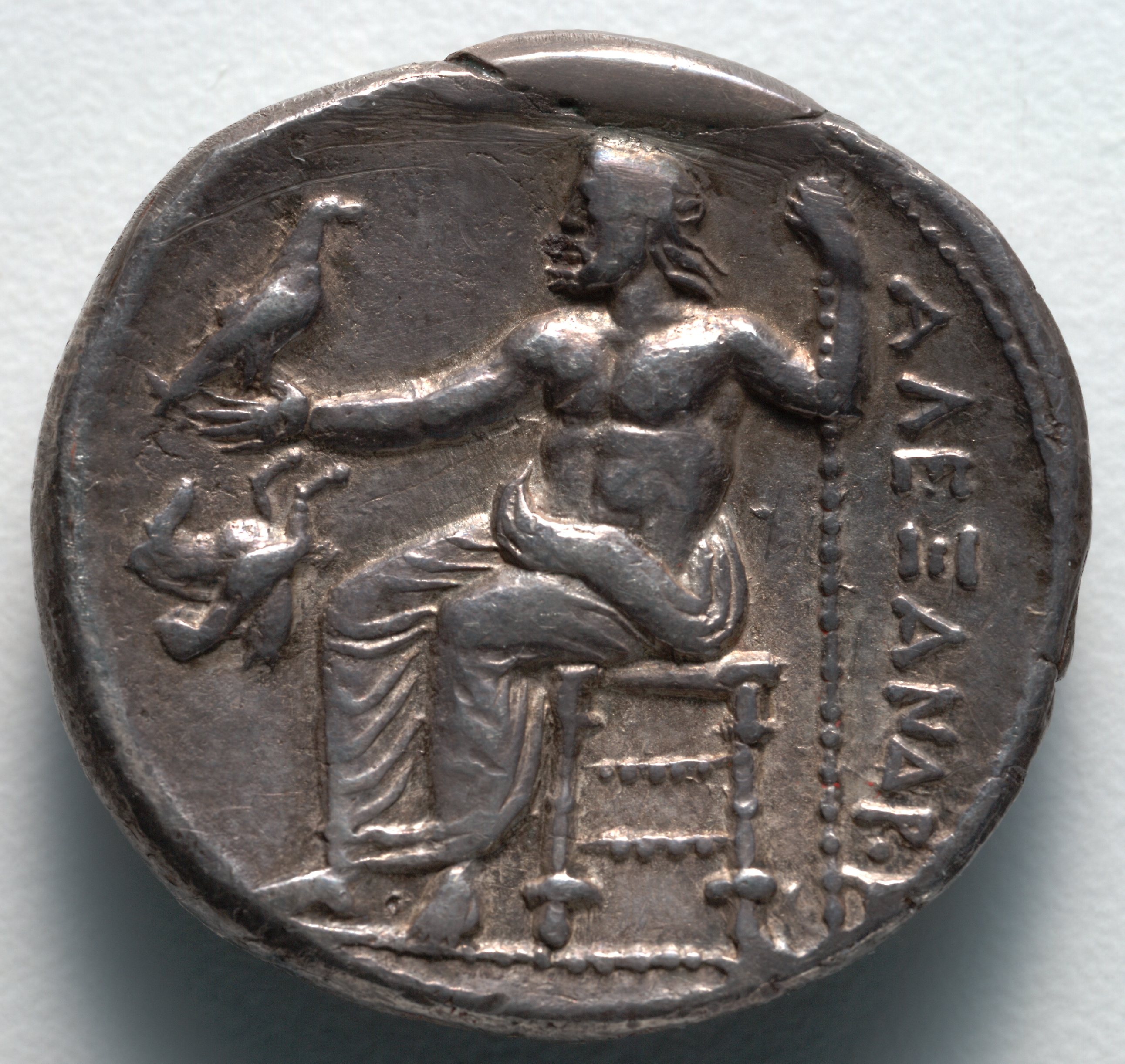

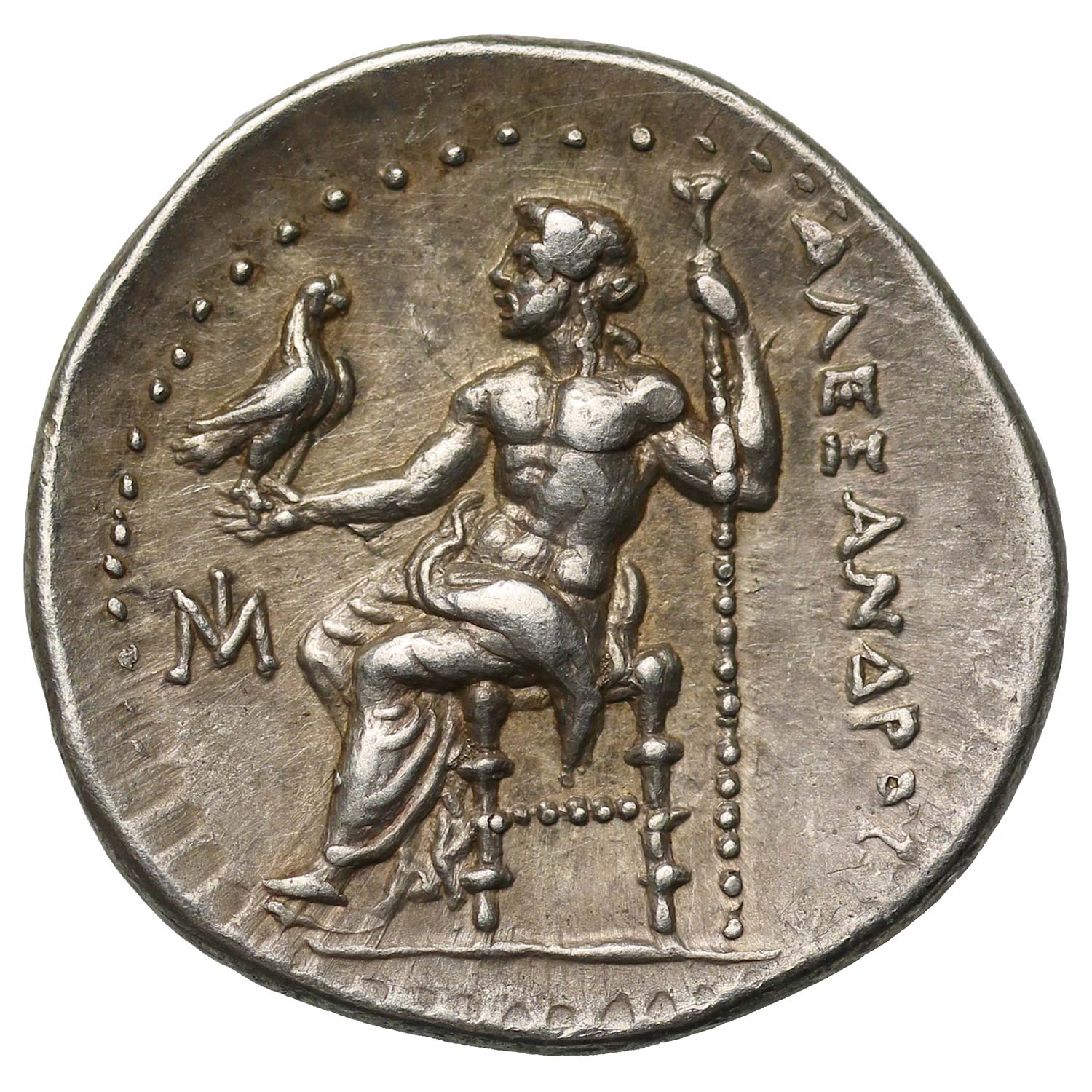
Coins played a crucial role in Alexander’s empire. As he conquered new territories, standardized currency helped unify trade and administration. The most famous coins associated with his rule are silver tetradrachms, which feature Heracles wearing a lion skin on the front and Zeus seated on a throne on the reverse.




Interestingly, these coins rarely show Alexander himself. Instead, they present mythological imagery linking the king to divine heroes. Many historians believe this symbolism helped reinforce Alexander’s image as a powerful, almost godlike leader.
Even after Alexander’s death, his successors—known as the Diadochi—continued minting coins in his name. These coins circulated across the Mediterranean and Middle East for generations. As a result, finding one today is not impossible, but locating one in its original archaeological context is incredibly exciting for historians and treasure hunters alike.
Josh Gates Begins the Hunt

In the episode, Josh Gates travels to a region once touched by Alexander’s campaigns. The goal is simple yet ambitious: search for evidence of ancient Macedonian presence and possibly uncover coins that date back to the legendary king’s era.
Working alongside archaeologists and local historians, Gates learns how researchers identify promising locations for excavation. Ancient trade routes, military encampments, and marketplaces are often the best places to search for coins because money was constantly exchanged there thousands of years ago.
The team uses modern tools such as metal detectors, ground surveys, and careful excavation techniques. Archaeology is not about randomly digging holes—it requires patience and precise documentation. Every artifact, even a tiny coin, can reveal important clues about the past.
As the search begins, excitement builds. The soil beneath their feet may still hold objects last touched by soldiers, merchants, or travelers who lived during Alexander’s time.
A Remarkable Discovery

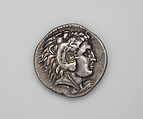
During the expedition, the moment everyone hopes for finally arrives. A metal detector signals something buried beneath the surface. Carefully brushing away layers of dirt, the team reveals a small circular object.
It is a coin.
Once cleaned, the design becomes visible. On one side appears the powerful face of Heracles wearing the lion skin, and on the other sits Zeus holding an eagle—the unmistakable design associated with coins of Alexander the Great.
For the team, this discovery is thrilling. Holding such a coin is like touching history. The artifact may have passed through the hands of traders, soldiers, or citizens living during one of the most transformative periods in the ancient world.
While coins like this exist in museums and collections, finding one in an archaeological context adds enormous value. It helps confirm historical activity in the area and provides a tangible link to Alexander’s empire.
Why Ancient Coins Matter to History
Ancient coins are more than collectibles—they are historical documents.
Unlike statues or monuments, coins were mass-produced and widely circulated. Because of this, they reveal information about politics, economy, religion, and art. The symbols on coins often reflect the propaganda or ideology of the rulers who issued them.
In Alexander’s case, his coinage helped spread the cultural influence of Greek art and mythology throughout his empire. Even centuries later, the style of these coins influenced later civilizations.
Archaeologists also use coins to date archaeological layers. If a coin minted in a particular year is found in a layer of soil, researchers know that layer must have formed sometime after the coin was produced.
This makes coins incredibly valuable tools for reconstructing ancient timelines.
The Enduring Legend of Alexander
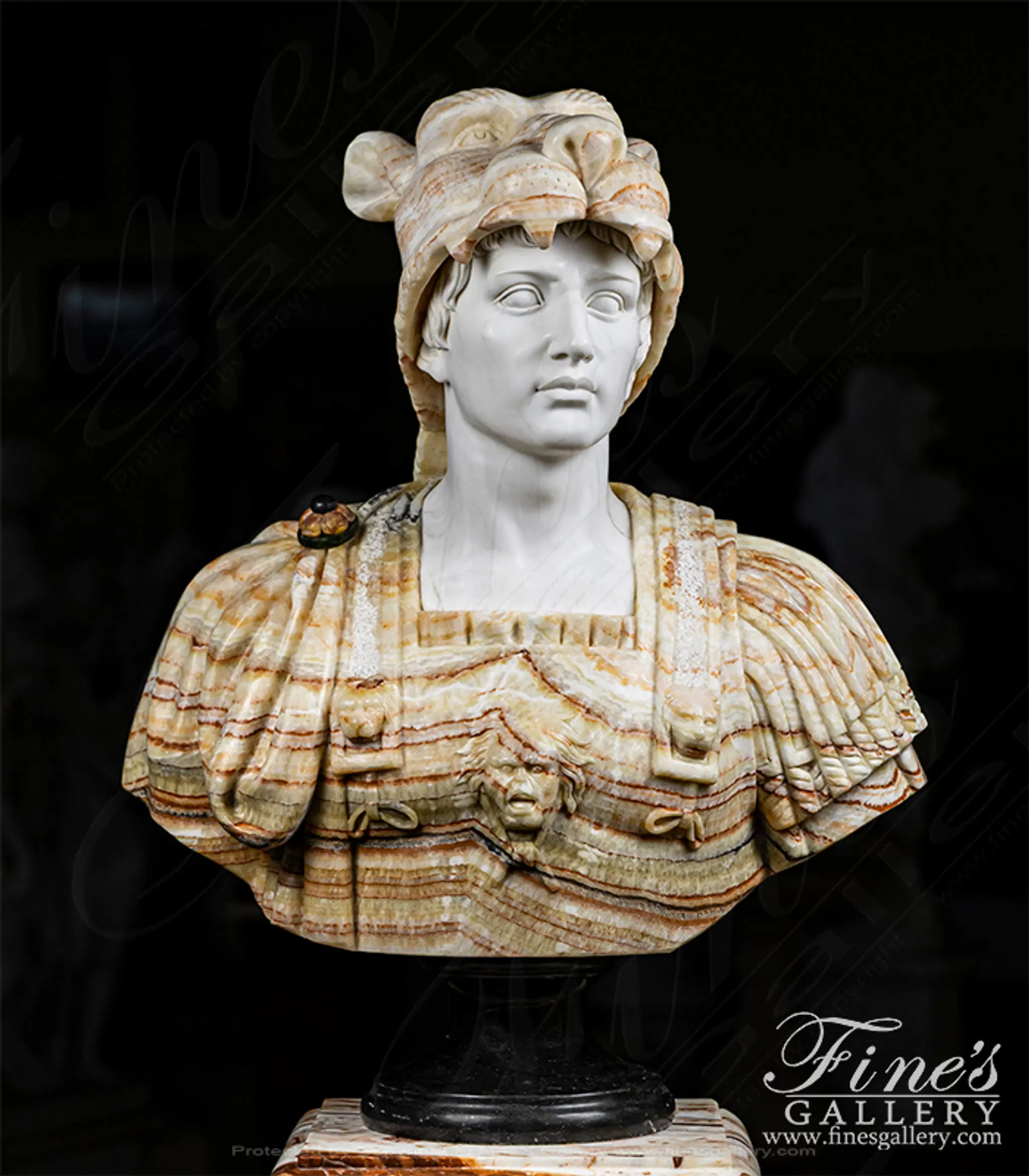
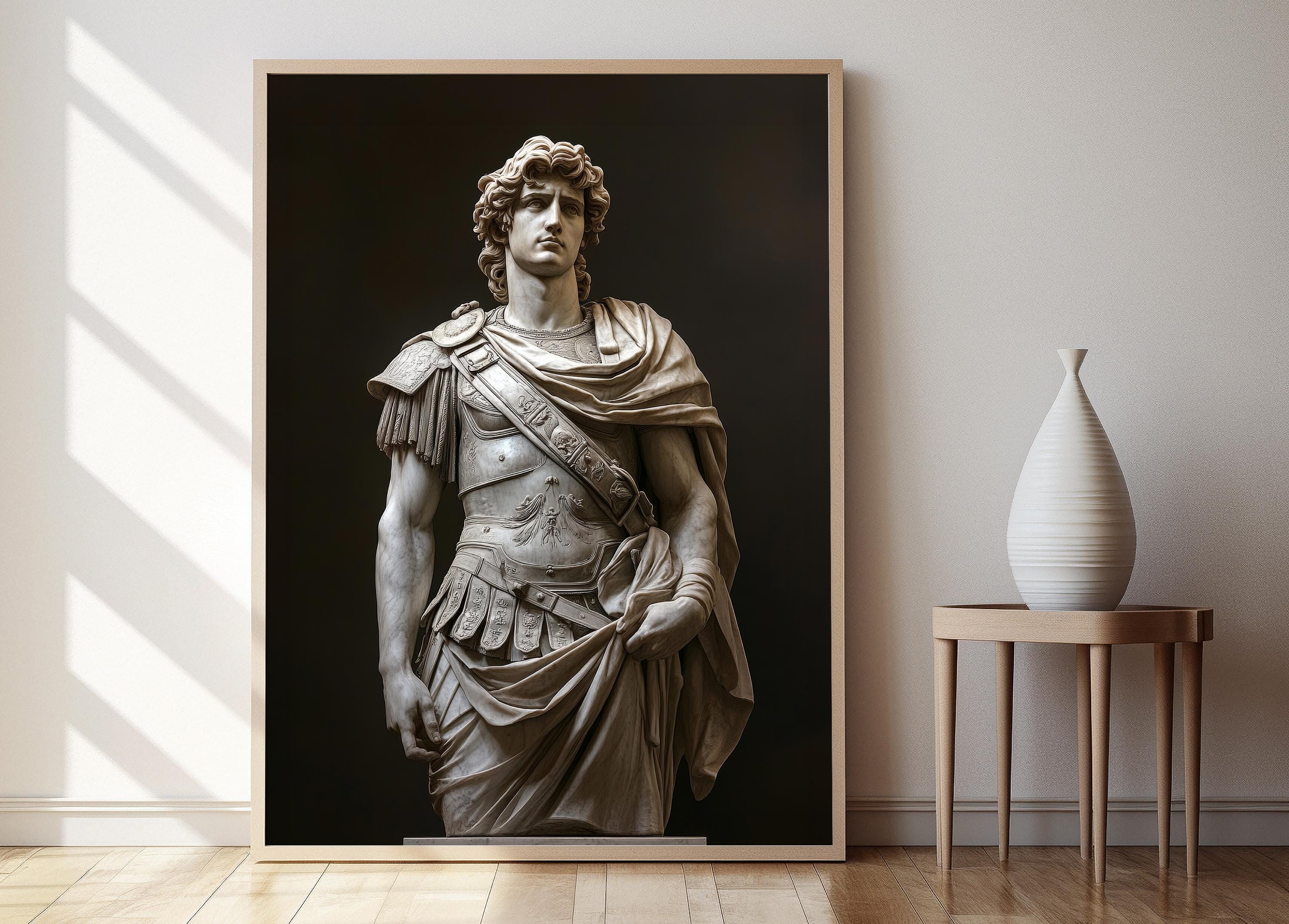
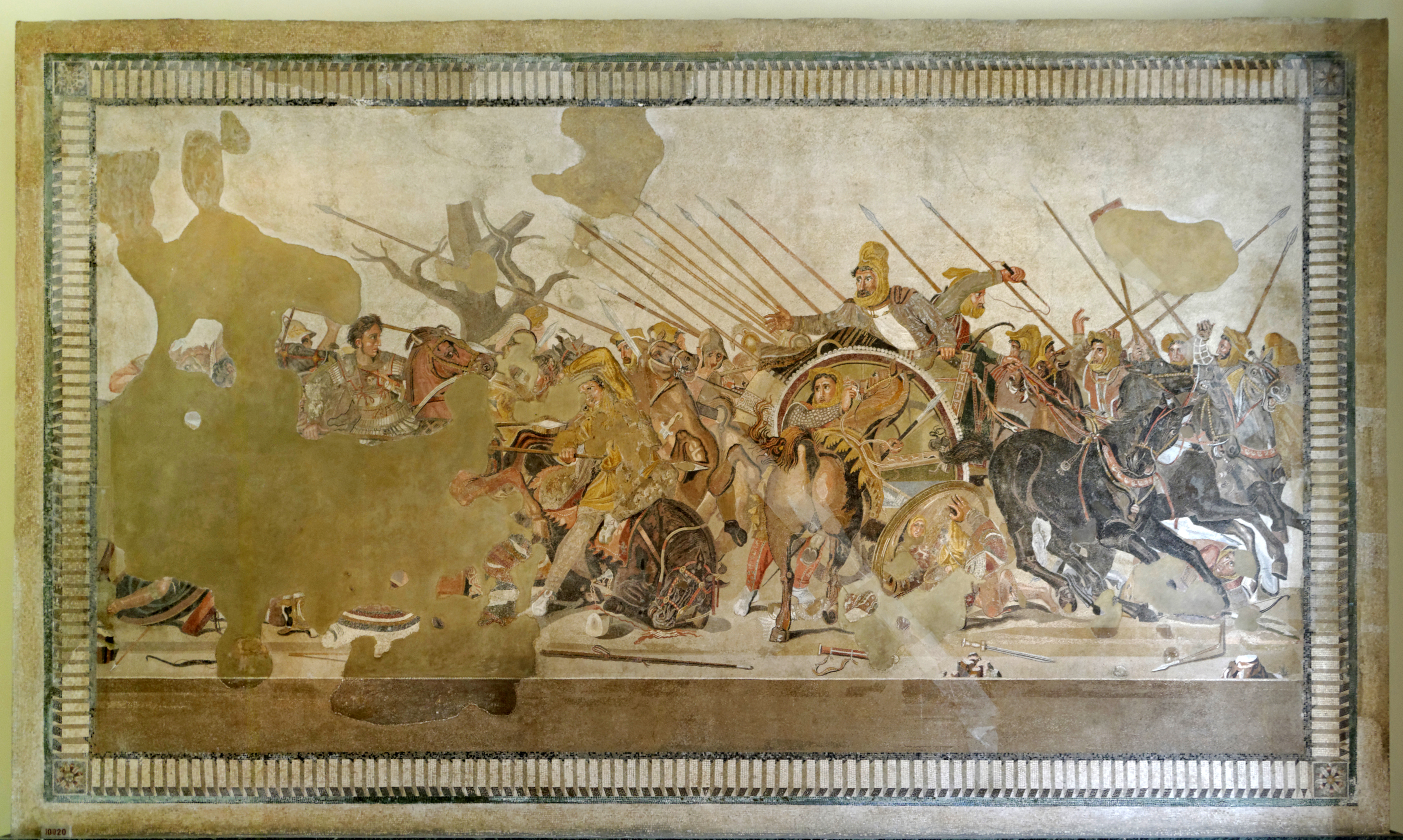
More than two thousand years after his death, Alexander the Great remains one of history’s most legendary figures. By the age of thirty, he had conquered territories stretching from Greece to India, creating a cultural exchange that historians call the Hellenistic Age.
His military tactics are still studied today, and his story has inspired countless books, films, and historical debates. Yet despite his fame, many aspects of his life and campaigns remain mysterious.
Artifacts like coins help bring us closer to understanding the real Alexander—not just the legend.
Adventure Meets Archaeology
Episodes like this demonstrate why Expedition Unknown has become such a popular adventure documentary series. By combining field exploration with historical research, the show makes archaeology exciting and accessible to a global audience.
Josh Gates’ quest to find a coin linked to Alexander the Great reminds viewers that history is not just something written in textbooks—it is buried beneath our feet, waiting to be rediscovered.
Every artifact tells a story, and sometimes that story connects directly to one of the greatest conquerors the world has ever known.
✅ Conclusion
The discovery of a coin associated with Alexander the Great is a powerful reminder of how tangible history can be. A small piece of silver, minted more than two millennia ago, can transport us back to an era of epic conquests and cultural transformation.
Through the exploration featured on Expedition Unknown, viewers witness the thrill of discovery and the importance of preserving historical artifacts. Whether found in a museum or unearthed in the soil, coins from Alexander’s time remain priceless windows into the ancient world.
And who knows? Somewhere out there, buried beneath layers of earth, another coin from the age of Alexander may still be waiting to be found.