Alexander The Great’s TRUE Resting Place Revealed! | Expedition Unknown
Alexander The Great's TRUE Resting Place Revealed! | Expedition Unknown
 DL
DL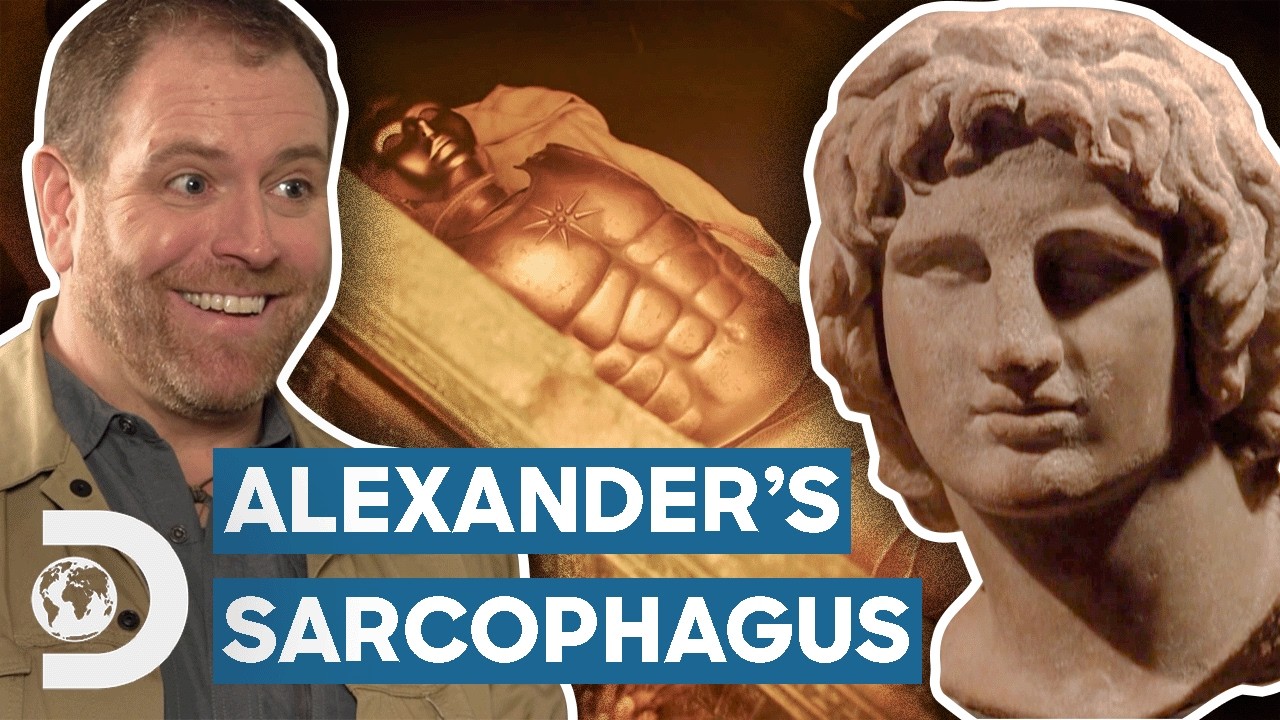
Few figures in world history have captured the imagination quite like Alexander the Great. Rising to power at just 20 years old, the Macedonian king built one of the largest empires the ancient world had ever seen, stretching from Greece to Egypt and deep into Asia.
Yet despite his extraordinary achievements, one of history’s most puzzling mysteries surrounds his final resting place. For more than two thousand years, historians, archaeologists, and explorers have debated where Alexander the Great was buried.
In an intriguing episode of Expedition Unknown, host Josh Gates investigates the fascinating clues that may finally reveal the truth about where the legendary conqueror lies.
The search for Alexander’s tomb combines archaeology, ancient history, and detective work—offering one of the most captivating historical mysteries ever explored.




The Rise of a World Conqueror

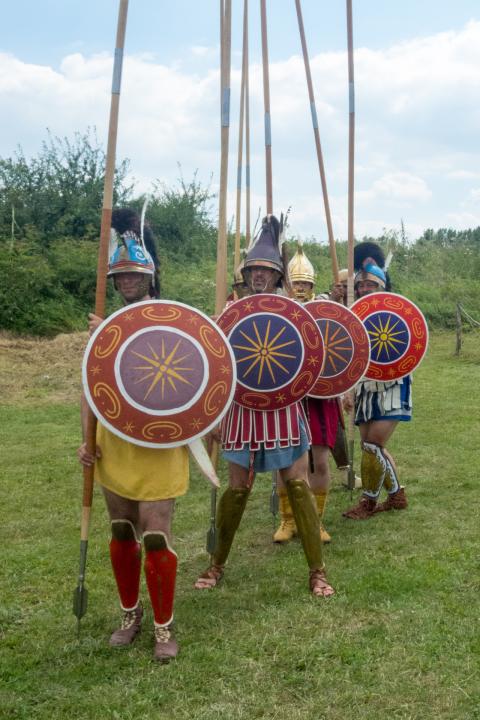

Born in 356 BCE in the kingdom of Macedon, Alexander was the son of Philip II of Macedon. Under the guidance of the famous philosopher Aristotle, the young prince received an education in philosophy, science, and leadership.
When Philip II was assassinated in 336 BCE, Alexander inherited the throne and quickly began expanding his kingdom. Over the next decade, he launched one of the most extraordinary military campaigns in history.
His victories included the defeat of the powerful Achaemenid Persian Empire ruled by Darius III.
Alexander’s army marched across vast territories including:
-
Asia Minor
-
Egypt
-
Persia
-
Mesopotamia
-
Parts of modern-day India
By the time he was just 32 years old, Alexander ruled an empire spanning three continents.
But his sudden death created a mystery that still intrigues historians today.
The Sudden Death of Alexander


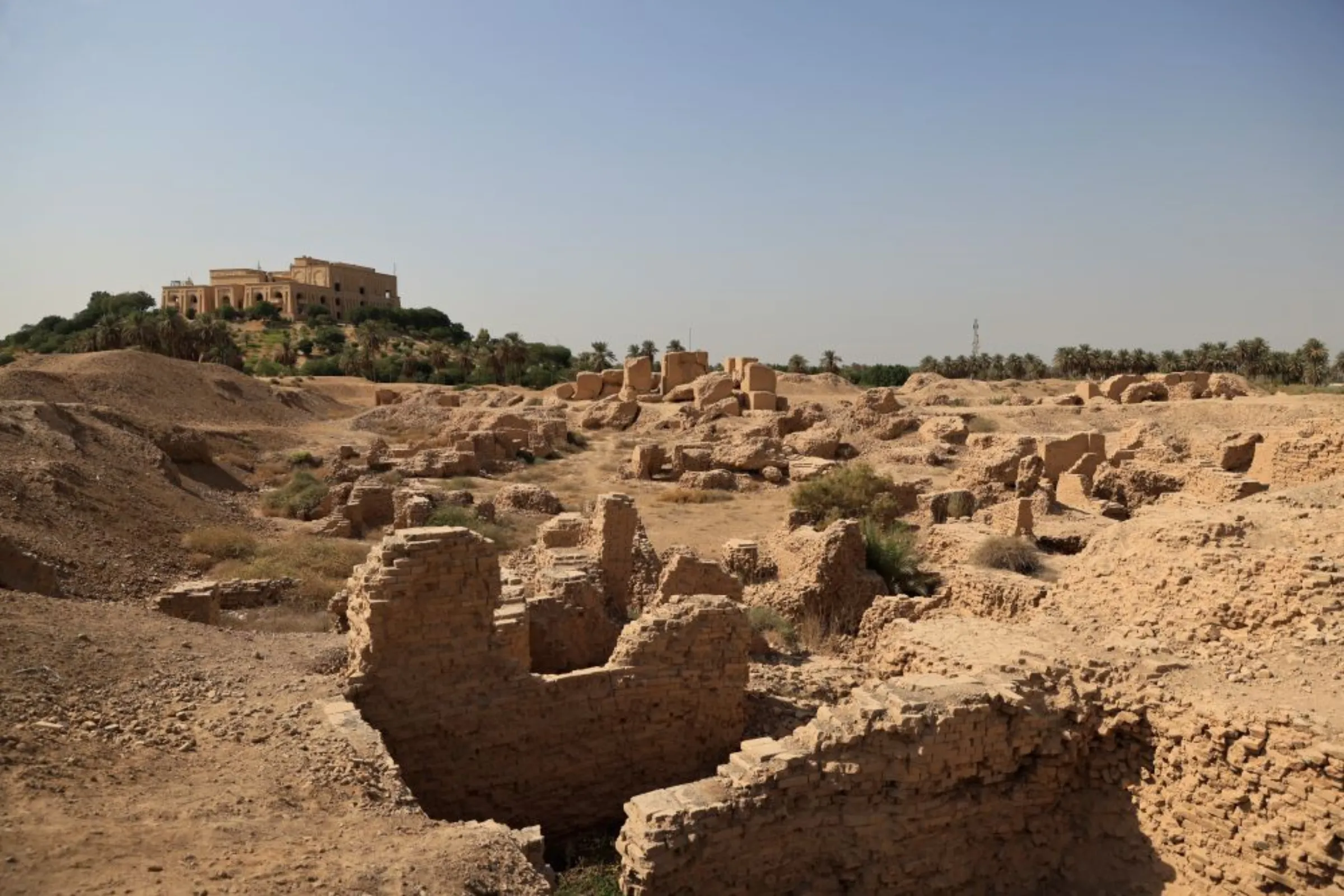
In 323 BCE, Alexander fell ill while in the city of Babylon, one of the most important centers of his empire.
Ancient accounts describe a mysterious illness that lasted several days. During this time, Alexander reportedly became weaker and eventually lost the ability to speak.
Historians have proposed many theories about the cause of his death, including:
-
Malaria or typhoid fever
-
Poisoning by political rivals
-
Complications from battle injuries
-
Alcohol-related illness
Despite centuries of research, the exact cause remains uncertain.
What happened after his death, however, became just as mysterious.
The Disappearance of His Tomb
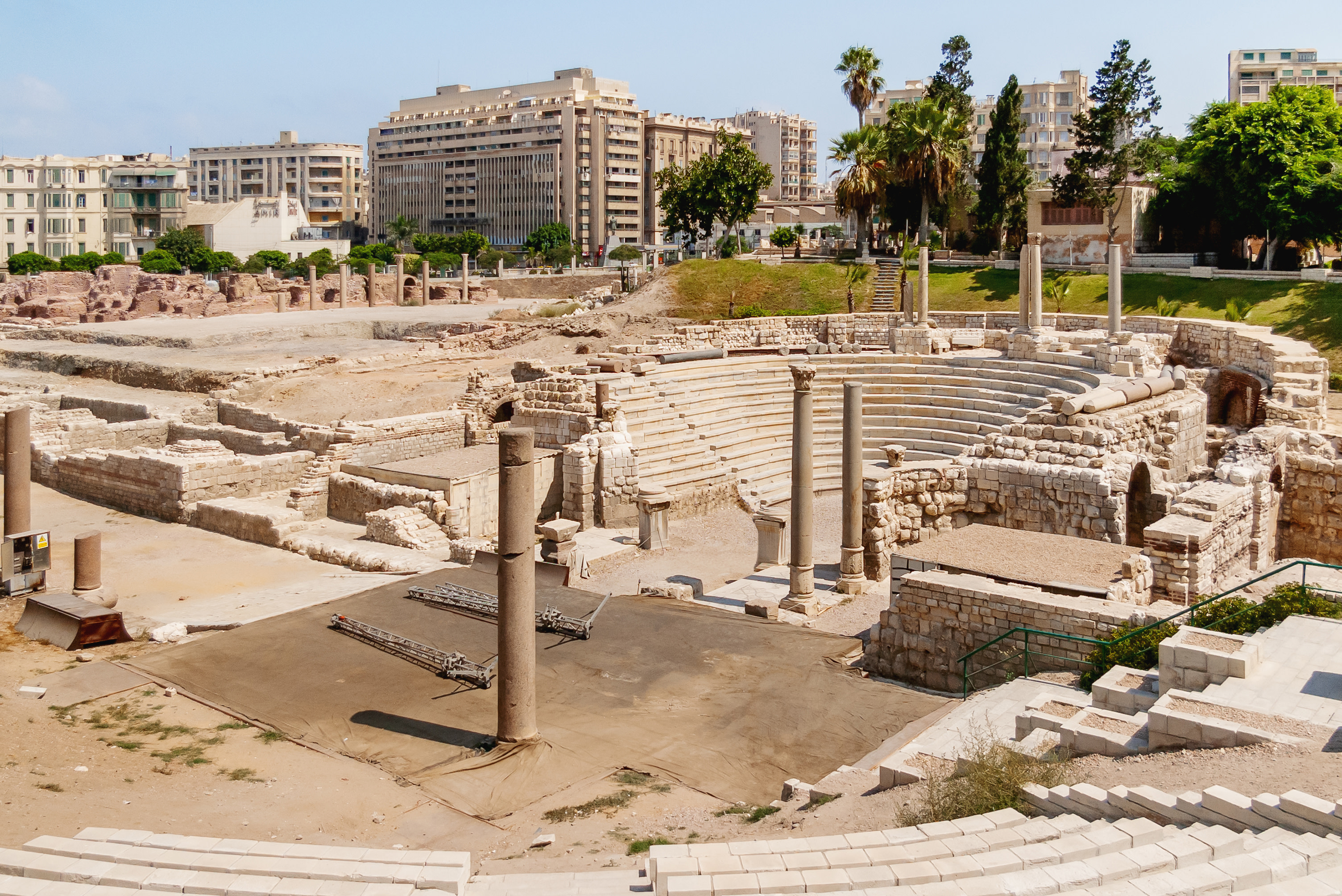


After Alexander died, his body was reportedly placed in an elaborate golden coffin and transported from Babylon.
Historical sources suggest that his remains were eventually taken to the Egyptian city of Alexandria, which Alexander himself had founded years earlier.
Ancient writers such as Strabo and Plutarch claimed that Alexander’s tomb became one of the most famous landmarks of the ancient world.
Roman leaders—including Julius Caesar and Augustus—were said to have visited the tomb centuries later.
But over time, the location of the burial site was lost. Wars, earthquakes, and the gradual transformation of Alexandria buried or destroyed much of the ancient city.
Today, the exact location of Alexander’s tomb remains unknown.
Josh Gates’ Search for the Lost Tomb


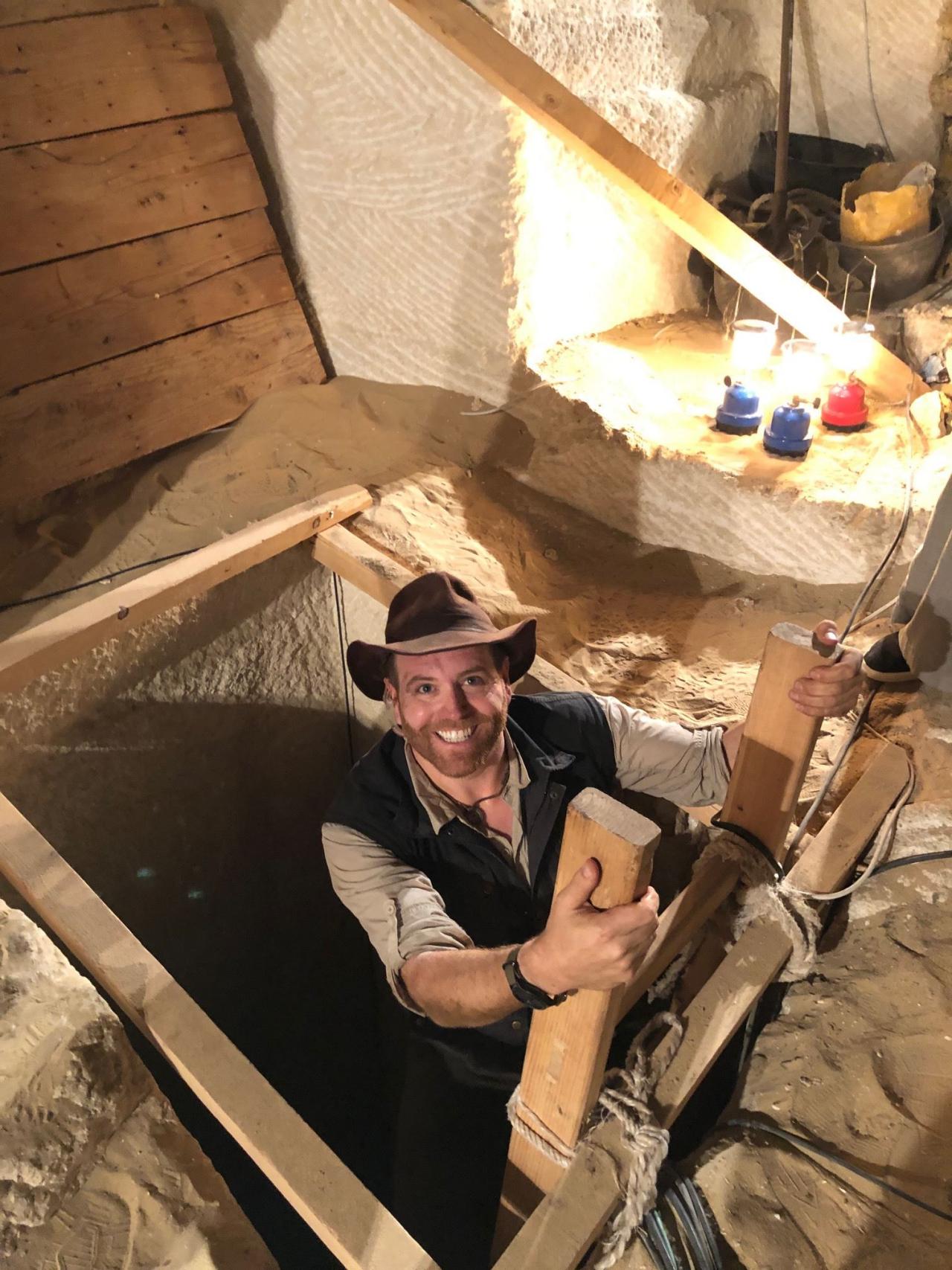
In Expedition Unknown, Josh Gates travels across Egypt and the Mediterranean world to investigate the leading theories about Alexander’s burial place.
His journey includes:
-
Exploring ancient ruins beneath modern Alexandria
-
Examining historical records written by Greek and Roman historians
-
Consulting archaeologists studying Hellenistic burial sites
Some researchers believe the tomb could still lie hidden beneath modern Alexandria, buried under layers of later construction.
Others have proposed that Alexander’s body may have been moved again during ancient conflicts, possibly to protect it from invaders.
During his investigation, Gates examines underground chambers, ancient tombs, and archaeological sites that could potentially hold clues to the conqueror’s final resting place.
While no definitive discovery has yet been made, new technologies such as ground-penetrating radar and satellite imaging may one day reveal the truth.
Why the Search Still Matters


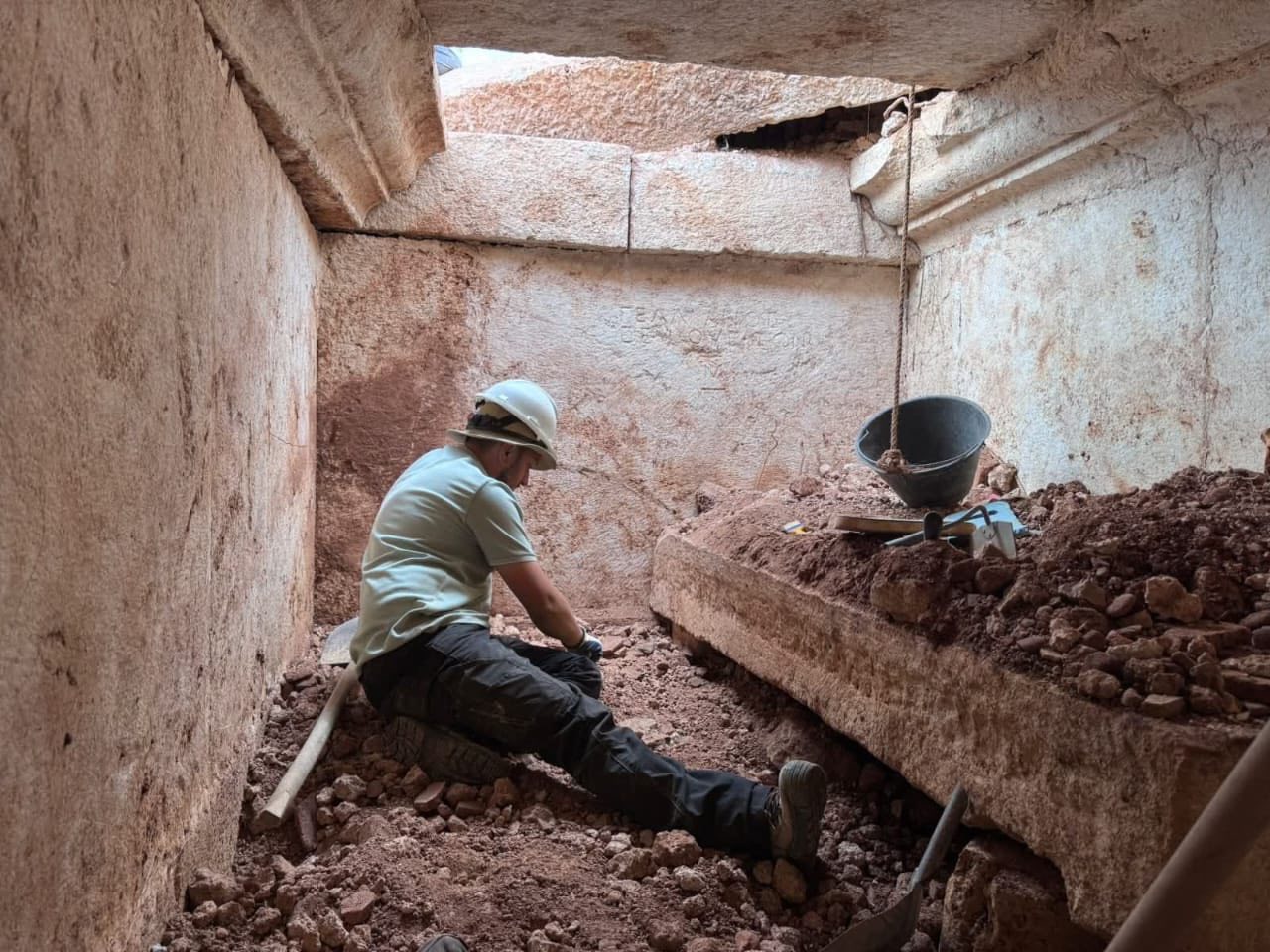
The search for Alexander the Great’s tomb is more than just a historical curiosity—it represents one of archaeology’s most important unanswered questions.
If the tomb were discovered, it could provide remarkable insights into:
-
Hellenistic burial practices
-
The political struggles following Alexander’s death
-
The culture of one of history’s most influential empires
Artifacts found within the tomb might also shed light on Alexander’s personal life, his military campaigns, and the legends that grew around him.
For explorers like Josh Gates and historians around the world, the mystery continues to inspire new investigations.
More than 2,300 years after his death, Alexander the Great remains one of history’s most fascinating figures. His empire reshaped the ancient world, spreading Greek culture across vast regions and influencing civilizations for centuries.
Whether his tomb lies hidden beneath the streets of Alexandria or somewhere yet undiscovered, the search for Alexander’s true resting place continues to captivate the imagination of historians, archaeologists, and adventurers alike.
And until the moment his tomb is finally uncovered, the legend of the world’s greatest conqueror will remain one of history’s most enduring mysteries.
DL