The Secret of Skinwalker Ranch – Behind The Gates | S7 E4 | Radiation Cores And Alien Ceramic
The Secret of Skinwalker Ranch - Behind The Gates | S7 E4 | Radiation Cores And Alien Ceramic

In the latest installment of The Secret of Skinwalker Ranch Season 7, Episode 4 (“Smoking Guns”), the investigative team pushes deeper into the mysteries beneath the Mesa while exploring surface-level anomalies at the Triangle. The “Behind the Gates” post-show discussion with Matty Blake highlights two major threads: puzzling new lab results on the enigmatic “Type A” ceramic material and mildly radioactive drill core samples that have the team buzzing with cautious excitement.
The Ceramic Mystery Deepens
One of the central focuses of the episode is further laboratory analysis of the unusual ceramic-like fragments recovered from Mesa drilling operations in prior seasons. These “Type A” materials have long intrigued the team due to their resemblance to advanced aerospace components, such as spacecraft heat shields.
In this episode, the team receives results from thermoluminescence (TL) testing and additional XRF (X-ray fluorescence) analysis conducted by external labs, including Artemis. Thermoluminescence dating measures stored energy in crystalline materials to estimate the last time they were heated (fired). The results were startling: the samples proved effectively undatable by standard methods. Moreover, experts determined the material likely wasn’t fired in the conventional sense typical of pottery or industrial ceramics.
Additional testing suggested the substance shares properties more akin to plaster than traditional ceramic, yet it exhibits anomalous durability, layered structures, and behaviors under microscopy that continue to baffle scientists. Some fragments previously showed fluorescence or structural changes under specific conditions. These findings deepen the enigma—could this be an ancient manufactured material, a byproduct of unknown high-energy processes, or something engineered with properties beyond current human technology?



Travis Taylor and the team discuss how these characteristics align with (or defy) known materials used in stealth, re-entry vehicles, or metamaterials. The “alien ceramic” label, while sensational, reflects the growing sense that the composition and origin don’t fit neatly into terrestrial archaeological or geological categories.
Radiation in the Cores
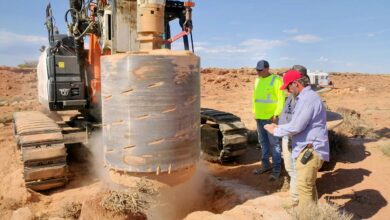
Parallel to the ceramic analysis, drill core samples from the Mesa boreholes revealed mildly elevated radiation readings. Team members, including Chris Roberts, used gamma ray detectors on the extracted cores and recorded counts around 108–115 CPM (counts per minute)—approximately 10 times higher than expected background levels for the sandy Mesa geology.
While not at immediately hazardous levels (the team emphasizes safety protocols and notes the readings are not yet concerning for short-term exposure), the consistency with earlier anomalies—such as those linked to the Type A ceramics—raises eyebrows. Travis Taylor contextualizes the spikes within the Ranch’s broader pattern of transient radiation events, often correlating with UAP activity, equipment interference, or underground anomalies.
These “Radiation Cores” add another layer to the hypothesis of an underground structure or energy source interacting with the geology, possibly involving piezoelectric effects in the quartz-rich rock or something more exotic.
Smoke Tests and the Triangle
Beyond the lab work, the episode features field experiments at the Triangle area and along the boundary of the so-called “Bubble” (a zone of reported GPS/electromagnetic interference). The team deploys smoke or fog generators to visualize air movement, potential vortices, or invisible forces—techniques aimed at revealing subtle atmospheric or energetic phenomena.
These “smoking guns” produced intriguing visual clues, with smoke behaving unusually in certain spots, potentially indicating micro-currents, thermal gradients, or unseen influences tied to the Ranch’s high-strangeness reputation. LIDAR scans and other sensors captured additional anomalies during these tests, reinforcing correlations between surface and subsurface activity.
Behind the Gates Debrief
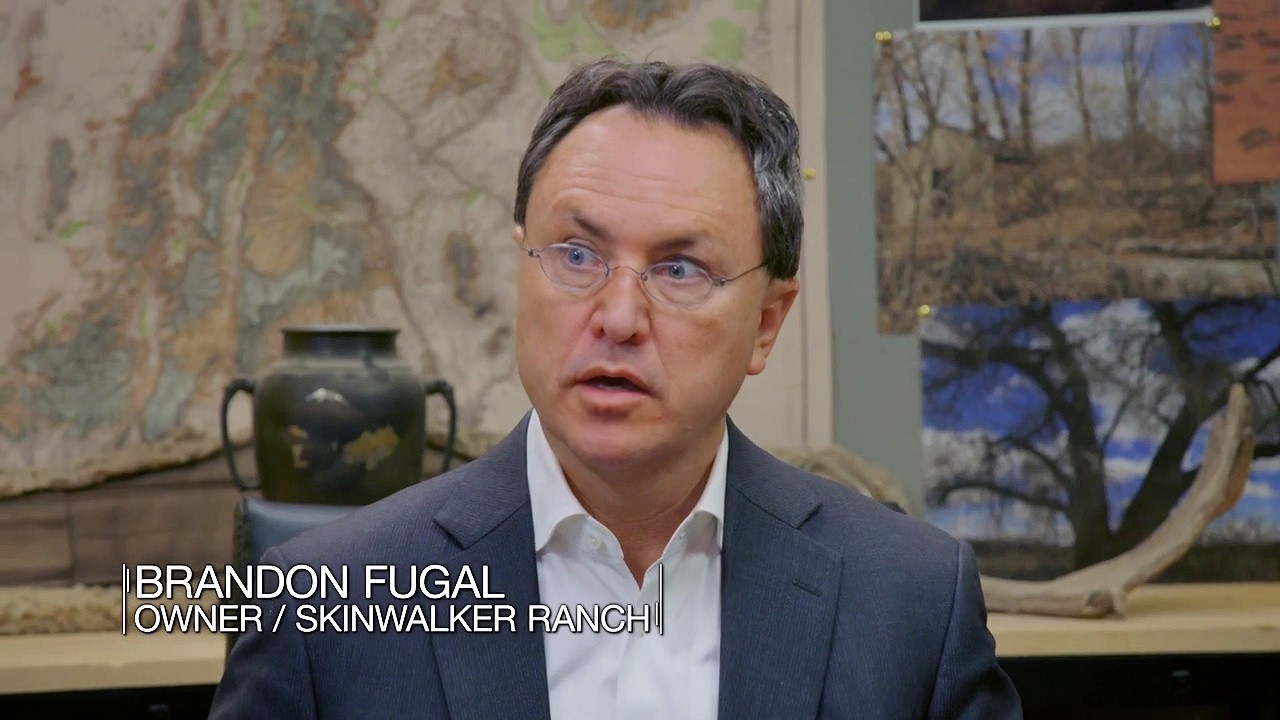
In the companion “Behind the Gates” segment, Matty Blake reconvenes with key team members to unpack the episode’s revelations. Discussions revolve around the implications for the Mesa dome-like anomaly, potential connections to historical UAP sightings, and the need for continued cautious exploration. Brandon Fugal’s overarching philosophy of rigorous, safety-first science shines through as the team weighs excitement against unknowns.
Scientific and Skeptical Context
As always, the show blends compelling data with the realities of a high-stakes investigation. Skeptics point out that elevated radiation can occur naturally in certain mineral deposits, and “undatable” ceramics might result from contamination or unusual but terrestrial formation processes. The Uinta Basin’s geological history—including oil, gas, and mineral resources—provides plausible baselines.
However, the repeatability of findings across seasons, use of calibrated instruments, and external lab validations give the results weight. The combination of advanced materials, radiation signatures, and responsive phenomena keeps the investigation at the frontier of materials science, geophysics, and UAP studies.
What It Means for the Season
Episode 4 builds momentum for Season 7 by tightening the focus on the Mesa as a potential focal point while expanding surface experiments. The radiation cores and alien ceramic findings suggest the team is getting closer to characterizing whatever lies beneath—whether a natural wonder, ancient artifact, or evidence of non-human technology.
As drilling, scanning, and testing continue, safety remains paramount given the Ranch’s documented effects on personnel and equipment. Future episodes are expected to delve further into lab results, expanded excavations, and cross-correlations with the 1.6 GHz signal and other anomalies.
Skinwalker Ranch once again proves why it captivates audiences and researchers alike. With each core pulled and each ceramic fragment analyzed, the line between known science and the unexplained blurs further. “Smoking Guns” delivers tangible progress wrapped in mystery—exactly what keeps viewers and the team coming back for more.