A Shining Icon of America’s Fueling Past


In Season 20 of American Pickers, viewers are treated to a visually stunning and historically rich discovery: a collection of pristine petroliana globes. These glowing glass spheres, once mounted atop gas pumps across America, are far more than decorative relics—they are luminous symbols of a bygone era when branding, craftsmanship, and roadside culture merged into something unforgettable.
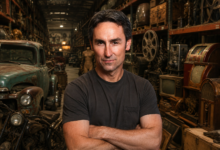
For seasoned picker Mike Wolfe, finding petroliana in excellent condition is always a thrill. But stumbling upon near-perfect globes—often referred to as the crown jewels of gas station collectibles—takes the excitement to another level. Their vibrant colors, iconic logos, and remarkable preservation make them highly coveted among collectors.
What Exactly Is a Petroliana Globe?


Petroliana globes are glass or plastic domes that sat atop fuel pumps, typically from the 1920s through the 1960s. They displayed the branding of oil companies—names, logos, and sometimes fuel types—designed to catch the attention of passing motorists. Brands like Texaco, Shell, and Gulf became instantly recognizable thanks in part to these illuminated signs.
Originally, globes were made of heavy glass, often in two halves with painted or reverse-painted graphics. Inside, a light bulb would bring the design to life at night, turning an ordinary gas station into a beacon along dark highways.
Today, these globes are treasured artifacts. Their value depends on factors like rarity, brand, condition, and whether they retain original paint and components. A well-preserved globe can command thousands—or even tens of thousands—of dollars.


The Season 20 Find: A Collector’s Dream


In this memorable episode, Mike Wolfe encounters a private collection that immediately stands out. The globes are not only rare but remarkably well-preserved. Colors remain vivid, logos crisp, and the glass nearly flawless—an uncommon combination given how fragile these items are.
What makes the moment even more compelling is the variety. From bold reds and greens to intricate typography and iconic symbols, each globe tells a different story about America’s automotive boom. For Mike, it’s like stepping into a time capsule.
Negotiations become a central focus. The seller understands the value of the collection, and rightly so. Petroliana has surged in popularity over the years, driven by nostalgia and the growing appreciation for vintage advertising. Mike must balance enthusiasm with practicality, carefully selecting pieces that make sense for both preservation and resale.
Why Petroliana Is Booming
The appeal of petroliana extends far beyond collectors of automotive history. These pieces resonate with a broader audience because they represent a cultural moment—the rise of the American road trip, the golden age of highways, and the evolution of branding.
During the mid-20th century, gas stations weren’t just functional stops; they were landmarks. Brightly lit globes served as visual anchors in small towns and along long stretches of road. They guided travelers, offered reassurance, and created a sense of familiarity in an expanding nation.
Today, that nostalgia carries real value. Interior designers, collectors, and even businesses seek out authentic petroliana to add character and authenticity to spaces. A glowing globe can instantly transform a room, evoking the charm of a 1940s roadside station.
The Challenge of Authenticity
As with many valuable antiques, petroliana globes come with a risk: reproductions. Modern replicas can look convincing, but seasoned pickers like Mike Wolfe know what to look for. Subtle details—such as paint layering, glass thickness, and aging patterns—can reveal whether a piece is genuine.
In the episode, careful inspection is key. Mike examines edges, checks for manufacturer markings, and studies the wear. Authentic globes often show consistent aging, while reproductions may appear too perfect or use modern materials.
This expertise is what sets American Pickers apart. It’s not just about finding cool items—it’s about understanding them deeply.
Restoration vs. Preservation
One of the ongoing debates in the world of antiques is whether to restore or preserve. With petroliana globes, this question becomes especially important.
A heavily damaged globe might benefit from restoration to regain its visual appeal. However, collectors often prefer original condition—even with imperfections—because it preserves authenticity. Original paint, even if faded, can be more valuable than a flawless repaint.
Mike Wolfe typically leans toward preservation whenever possible. In the case of the Season 20 globes, their exceptional condition means minimal intervention is needed. That’s part of what makes the find so special—it’s rare to encounter pieces that have survived decades with so little damage.
Fan Reactions and Cultural Impact
The episode quickly gained attention among fans of American Pickers. Social media lit up with discussions about favorite globes, estimated values, and personal memories of vintage gas stations.
For many viewers, the episode triggered a sense of nostalgia. Some recalled family road trips, others remembered small-town stations where similar globes once glowed. It’s this emotional connection that elevates petroliana beyond mere collectibles.
The show continues to highlight how everyday objects—once overlooked—can become meaningful artifacts over time.
Conclusion: Lighting the Way to the Past
The “Petroliana Globe Perfection” segment from Season 20 is a perfect example of why American Pickers remains so compelling. It blends history, artistry, and human connection into a single narrative.
These globes are more than decorative items—they are storytellers. They illuminate not just gas stations, but an entire era of American life defined by movement, exploration, and innovation.
Through the eyes of Mike Wolfe, viewers are reminded that value isn’t always about rarity or price. Sometimes, it’s about the stories an object carries and the memories it ignites.
And in the soft glow of a vintage petroliana globe, those stories continue to shine.
 DL
DL