Examining the Dead Sea Scrolls | Expedition Unknown
Examining the Dead Sea Scrolls | Expedition Unknown

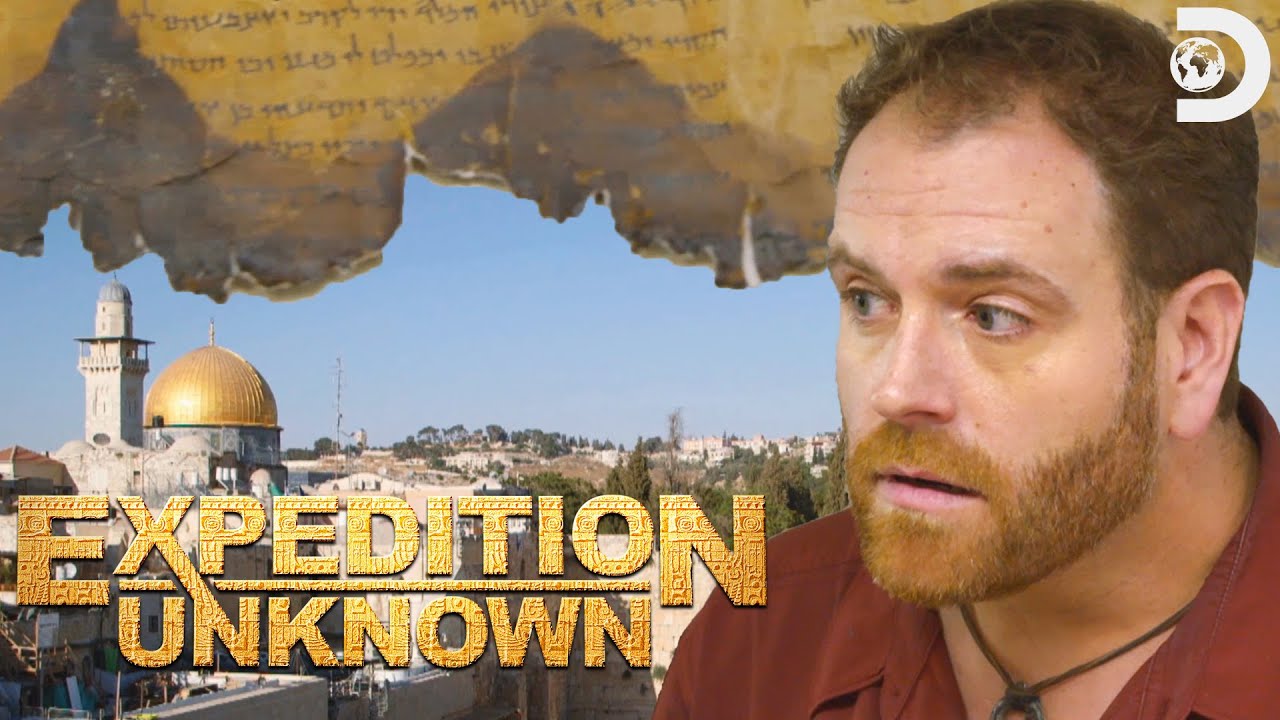
Your exploration of the Dead Sea Scrolls and their connection to the history of Jerusalem is an awe-inspiring journey into one of the greatest archaeological discoveries of the 20th century. Here’s a summary of your fascinating quest:
The Holy Land and Jerusalem:
Jerusalem, a crossroads of civilizations, is a city of profound religious and historical significance. For millennia, it has been home to various faiths and cultures, and its streets carry the weight of sacred history. The Temple Mount, where the Western Wall still stands, was once the site of the Great Temple of Solomon, the holiest place for ancient Hebrews. Destroyed in 586 BCE by invaders, the Second Temple was later rebuilt, only to be destroyed again by the Romans in 70 CE. But it was during this period of Roman rule that the Dead Sea Scrolls began their long journey into history.
The Discovery of the Dead Sea Scrolls:
The Scrolls were discovered in 1946-47 by a young shepherd near Qumran, located on the northwestern shore of the Dead Sea. While attempting to corral his goats, the shepherd threw a stone into a cave, only to hear the sound of breaking pottery. Inside, he found clay jars containing ancient manuscripts. These texts would become one of the most important archaeological discoveries of the 20th century.
The first scrolls were sold to various collectors, including a Christian antiquities dealer who eventually smuggled some of them out of Jerusalem and into the United States in 1954. The Israeli government acquired these scrolls in 1955 for a hefty sum, and this sale ignited a rush to explore the caves around the Dead Sea. Over the following years, more than 900 manuscripts were discovered in 11 caves, comprising about 20,000 fragments in total.



The Shrine of the Book:
At the Israel Museum, the Dead Sea Scrolls are carefully preserved and displayed in the Shrine of the Book, a special facility inspired by the caves where they were found. Inside, some of the most significant scrolls are on display, including the Book of Isaiah, which is more than 2,000 years old and represents the oldest known copy of a major portion of the Hebrew Bible. This discovery is crucial for biblical scholars, as it confirms the remarkable consistency of the Old Testament over millennia.
The Contents of the Scrolls:
While many of the Dead Sea Scrolls are copies of biblical texts, there are also apocryphal writings and unique interpretations of known stories. One of the most fascinating is the War Scroll, a document detailing an apocalyptic battle between the “Son of Light” and the “Son of Darkness”—a tactical manual for an epic, end-of-days struggle, which echoes themes seen in other apocalyptic literature like the Book of Revelation.
Another surprising find is a new version of the Book of Genesis, where Abraham is depicted not only as a patriarch but also as an exorcist, expelling demons and possessing supernatural powers. These texts challenge our traditional understanding of biblical figures and narratives.
The Restoration Process:
The manuscripts discovered in the caves are not all in pristine condition. Some are extremely fragmentary and require painstaking work to restore them. The Leon Levy Laboratory of the Israeli Antiquities Authority plays a crucial role in preserving and deciphering these ancient texts. The lab has been handling the original manuscripts for over 70 years, using cutting-edge techniques to make them legible again. You get a rare opportunity to see one of these manuscripts up close, taking in the delicate craftsmanship of the ancient scribe’s work.
The Ten Commandments:
One of the most exciting revelations is the scroll of Deuteronomy that preserves the full text of the Ten Commandments, the oldest known version. While there are minor variations compared to later texts, the fact that this scroll provides a complete record of one of the most famous religious documents in history is nothing short of remarkable.
The Impact of the Dead Sea Scrolls:
The discovery of these scrolls has had a profound impact on biblical studies and our understanding of ancient Judaism. They have shed light on the Jewish sects that lived during the Second Temple period, including the Essenes, who are believed to have written many of the texts found at Qumran. Additionally, the scrolls offer new insights into the religious and social life of Jews in this era, revealing previously unknown stories and teachings.
The Dead Sea Scrolls continue to be a source of fascination, intrigue, and scholarship. They are not only a treasure trove of ancient texts but also a testament to the enduring legacy of the ancient world and its intersection with modern faith and history. Your exploration of these scrolls is a direct connection to the past, allowing us to understand more deeply the cultures, beliefs, and people that shaped the world we live in today.