Josh Goes Diving in Search of an Old World War II Plane! | Expedition Unknown | Discovery
Josh Goes Diving in Search of an Old World War II Plane! | Expedition Unknown | Discovery

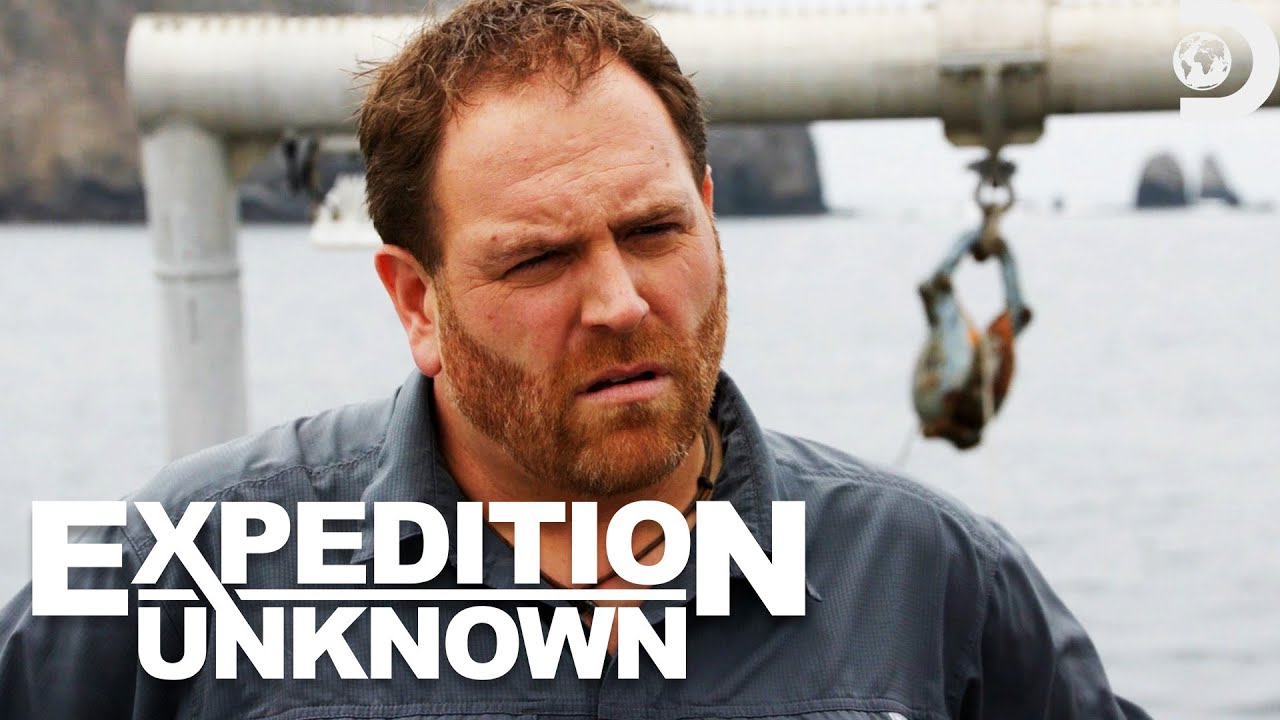
The search for the lost Avenger torpedo bomber that disappeared off Anacapa Island is a thrilling chapter of World War II aviation history, full of mystery, heroism, and cutting-edge archaeology. Here’s a breakdown of the investigation into this plane’s disappearance, how it connects to another known wreck, and the dive that revealed incredible details:
The Incident:
In the chaos of World War II, an Avenger torpedo bomber collided with its wingman and vanished off the coast of Anacapa Island. Despite the passing decades, the location of the wreck has remained elusive—until historian Colin Colburn unearthed an eye-witness report that could hold the key to solving this puzzle. The report provided details about where the plane might have gone down. This breakthrough created an exciting opportunity to test the accuracy of these reports using known wreck data from a different Avenger that had been found.
The Search Begins:
The plan is to use a known wreck of an Avenger, already cataloged by the National Park Service in 1996, to serve as a reference point. By understanding the distance and bearing of the known wreck, the team can compare it to the eyewitness account of where the lost Avenger should have gone down. They know the coordinates of this wreck are about 1,800 yards from the lighthouse on Anacapa Island—significantly farther than the initial report’s estimate of 100 yards. As Project Recover’s team notes, the distance estimate is horribly inaccurate, which is common in wartime reports, where bearings are often precise but distances are usually much less reliable.
The Research Vessel:
The team is working from a 62-foot catamaran, the Shearwater, specially built for research missions. This vessel is equipped for deep-water research, including sonar mapping and archaeology. From here, the team can make detailed comparisons between the historical data and the current wreck sites.


Diving into the Wreck:
Once the Shearwater reaches the known wreck site, it’s time for the dive team, led by Josh, to take the plunge. The wreck lies at nearly 120 feet deep—dangerously deep for any diver, meaning they have only a short amount of time before the risk of decompression sickness requires them to surface. The visibility at this depth is poor, maybe only 10-15 feet, but with the anchor line to guide them, they’re able to get close to the wreck.
After descending, Josh feels around in the cold waters and eventually spots the wreck. The wreck is in incredible condition, considering the amount of time it’s been submerged. The wings are intact, and the fuselage is still largely in place. Despite the natural degradation of the plane and the cold temperatures, the structure is recognizable. The main focus, however, is on the tail section, where the plane was struck during the collision with its wingman.
The Lost Avenger:
The wreck reveals some poignant details about the crew’s fate. The pilot and radioman survived, but the tail gunner, Lawrence Works, did not. His seat, a round impression in the back of the cockpit, marks where he was stationed. This tragic detail transforms the wreck from a simple artifact into a memorial for those who perished.
The dive was a success—Josh documented the wreck thoroughly with high-resolution photographs, which will later be used to create a 3D model of the plane through photogrammetry. This model will help archaeologists and historians study the wreck in detail and compare it to historical reports about the crash.
Analyzing the Data:
Back on the boat, the photos are processed, and the team begins to see just how much the wreck can tell them. Heidi, the data analyst, starts processing the images to create the 3D model. After hours of work, the team is finally able to reveal a stunning representation of the wreck, allowing them to analyze it from every angle.
The Next Step: Finding the Lost Avenger
By combining the photographic data from this wreck with the historical reports, the team has a much clearer understanding of the Lost Avenger‘s likely location. With the known wreck’s precise position and the bearing of the crash site, they can now narrow down the search for the second wreck, the one that collided with its wingman and disappeared.
The wreck of the known Avenger has revealed clues about its crash and survival, but the mystery of the Lost Avenger continues. It’s not just about finding another piece of history; it’s about finding the stories of the men who served, and the lost chapter of this wartime collision. As the team moves forward, they’ll likely use the 3D model to guide their search and validate historical accounts, helping to solve one of the lingering mysteries of the Channel Islands during World War II.
In the end, these wrecks are more than just submerged relics—they are time capsules of personal histories, military legacies, and a reminder of the cost of war.