Secrets of Nazi Power Hidden Beneath! | Expedition Unknown
Secrets of Nazi Power Hidden Beneath! | Expedition Unknown

During the chaos of World War II, the Nazi regime built an enormous network of underground structures across Europe. Hidden beneath mountains, forests, and cities, these secret facilities were designed to protect military leadership, develop advanced weapons, and safeguard the power of Adolf Hitler’s Third Reich. Decades later, many of these mysterious locations remain only partially explored.
In one particularly fascinating investigation featured on Expedition Unknown, host Josh Gates ventures deep into the forgotten tunnels and bunkers connected to Nazi wartime operations. What begins as a search for historical artifacts soon becomes an exploration of some of the most secretive engineering projects of the twentieth century. These underground spaces raise questions about how far the Nazis were willing to go to protect their regime—and what secrets may still lie buried beneath the earth.
The Nazi Underground Empire

As Allied bombing campaigns intensified during the later years of World War II, Nazi leadership became increasingly concerned about protecting their military command centers and industrial facilities. The solution was ambitious: massive underground construction projects that could survive aerial attacks and remain hidden from enemy forces.
One of the most mysterious of these projects was the Riese Project, a vast network of tunnels and chambers built in the Owl Mountains of present-day Poland. Begun in 1943, the project involved the excavation of enormous underground halls carved directly into solid rock. Historians believe the complex was intended to serve several possible purposes, including:


-
A secret headquarters for Nazi leadership
-
Underground weapons factories
-
A protected location for advanced military research
Thousands of forced laborers, including prisoners from nearby concentration camps, were forced to work under brutal conditions to carve out these subterranean structures. Despite the immense scale of construction, the war ended before the project was completed, leaving behind partially finished tunnels that still puzzle historians today.
Exploring the Hidden Chambers

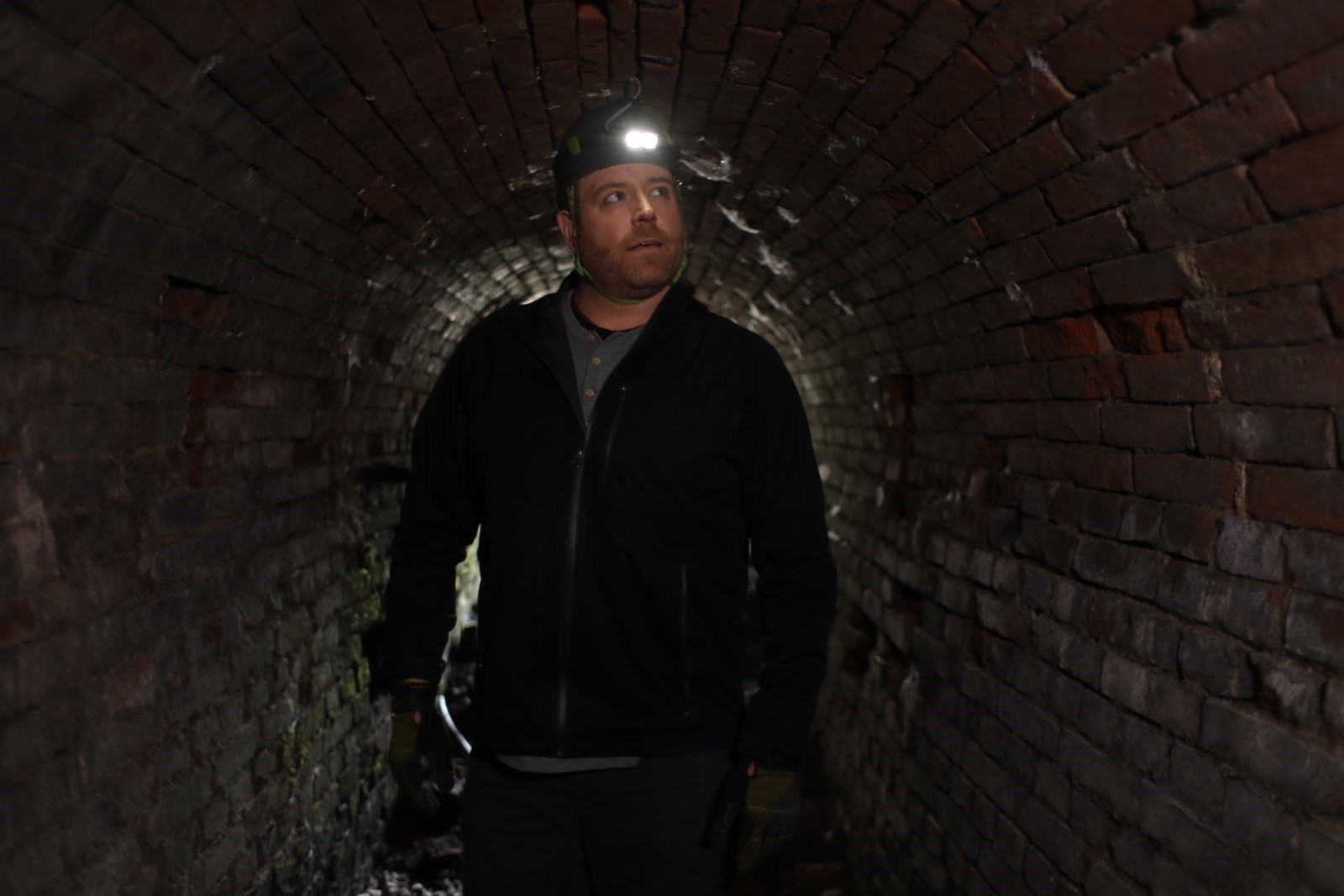
During the investigation, Josh Gates and his team descend into these eerie underground passageways to examine what remains of the Nazi engineering effort. Equipped with helmets, flashlights, and historical maps, they navigate narrow tunnels, collapsed corridors, and giant unfinished chambers.
What makes these spaces remarkable is their sheer size. Some underground halls are so large that historians believe they could have housed entire factories or command centers. Massive reinforced concrete supports, ventilation shafts, and drainage systems suggest the Nazis intended these facilities to operate for long periods without outside access.
Exploration teams have discovered numerous artifacts scattered throughout the tunnels, including:
-
Rusted machinery parts
-
Old electrical systems
-
Abandoned tools
-
Remnants of construction equipment
These items provide clues about the scale of work taking place in the final years of the war. However, many questions remain unanswered. Some chambers appear unfinished, while others show signs of sudden abandonment—as if workers were ordered to leave in a hurry.
Theories About Secret Weapons

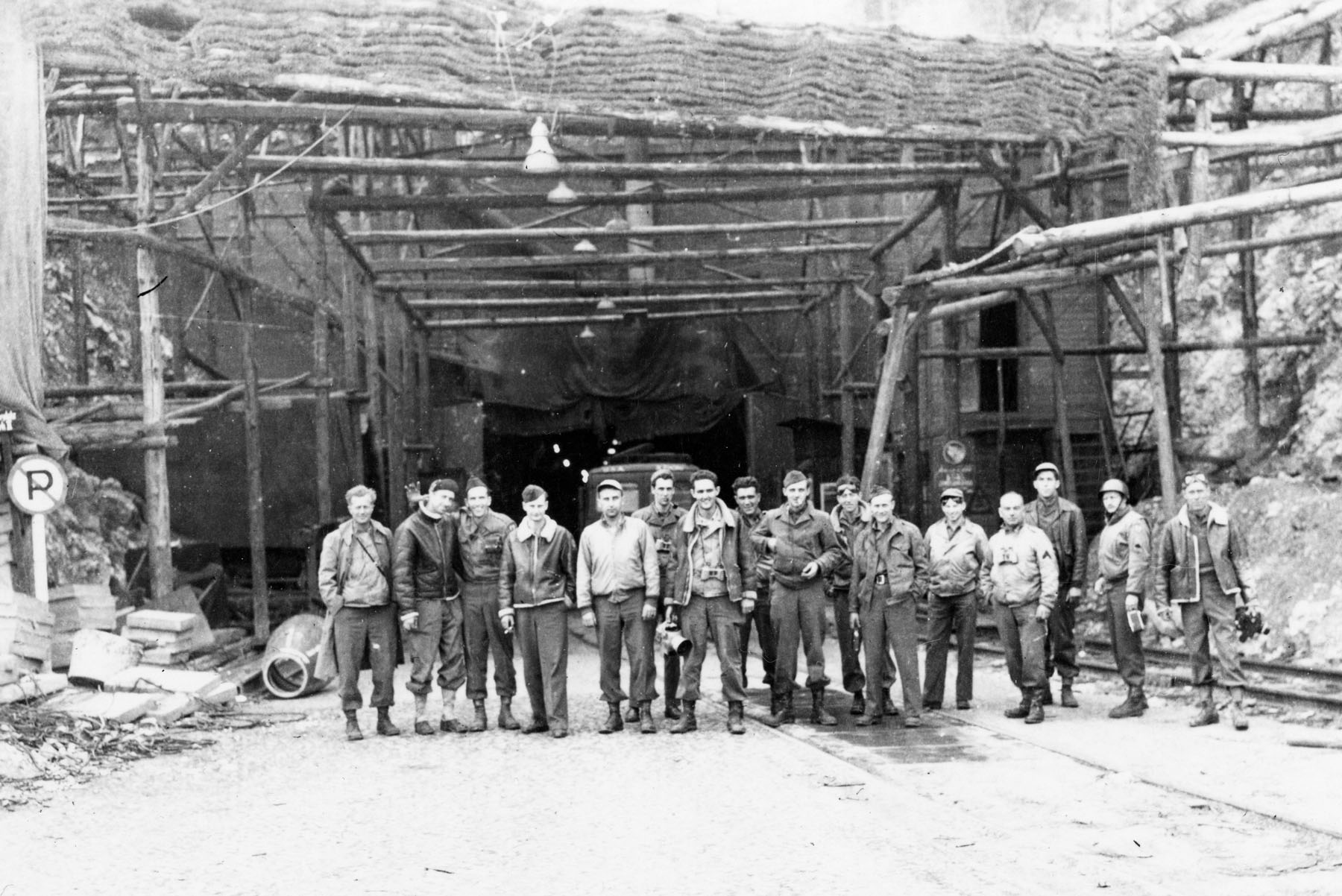
The mystery surrounding these underground complexes has led to numerous theories about what the Nazis were planning to develop there. While historians agree that conventional weapons production was likely one goal, some believe the tunnels may have been intended for experimental technologies.
During the final years of World War II, Nazi scientists were working on several advanced weapons programs, including:
-
The V-2 rocket, the world’s first long-range guided ballistic missile
-
Experimental jet aircraft
-
Early research into missile guidance systems
Some researchers speculate that underground facilities like those explored in the Owl Mountains could have housed secret laboratories for these programs. The deep rock layers would have protected sensitive equipment and personnel from Allied bombing.
However, concrete proof remains scarce. Many documents from the Nazi regime were destroyed in the final days of the war, leaving historians to rely on physical evidence and scattered testimony from surviving witnesses.
Hidden Treasure or Lost History?
Beyond military secrets, some legends claim that Nazi underground complexes may still contain hidden treasure. As the war turned against Germany, Nazi officials reportedly moved gold, artwork, and valuable artifacts to hidden locations to prevent them from falling into Allied hands.
Stories of buried Nazi treasure have circulated for decades, especially in Central and Eastern Europe. Some believe that parts of the Riese tunnel system could have been used to hide:
-
Stolen European artwork
-
Gold reserves
-
Cultural artifacts looted during the war
While treasure hunters have searched these tunnels extensively, no confirmed discoveries of large Nazi treasure hoards have been made. Nevertheless, the possibility continues to capture the imagination of explorers and historians alike.
The Human Cost of the Project
While the engineering achievements of these underground complexes are impressive, they also represent a tragic chapter in history. Much of the labor used to build the tunnels came from prisoners forced to work under brutal conditions.
Many workers suffered from starvation, exhaustion, and disease while digging the tunnels deep into the mountains. Thousands are believed to have died during construction. Today, some of the sites serve as memorials to those who lost their lives during the project.
For modern explorers like Josh Gates, investigating these locations is not only about solving historical mysteries but also about honoring the memory of those who endured unimaginable hardship during the war.
Why the Mystery Still Fascinates Researchers
The underground projects of the Nazi regime remain one of the most intriguing historical mysteries of World War II. Despite decades of research, many tunnels and chambers have yet to be fully mapped or explored.
Several factors contribute to the ongoing mystery:
-
Many tunnels collapsed after the war
-
Some entrances remain sealed or hidden
-
Wartime records were destroyed or lost
New technologies, including ground-penetrating radar and advanced mapping tools, may eventually reveal more information about these hidden structures.
Conclusion: Secrets Still Buried in the Darkness
The investigation featured in Expedition Unknown highlights how history can remain hidden in the most unexpected places. Beneath quiet forests and mountains lie the remains of ambitious underground projects that once served one of the most powerful—and dangerous—regimes in modern history.
These tunnels are more than just abandoned bunkers. They are reminders of the scale of Nazi wartime ambitions, the suffering endured by forced laborers, and the many unanswered questions that still surround the final years of World War II.
Even today, explorers continue searching these subterranean spaces, hoping to uncover new clues about what really happened deep beneath the surface. Whether they reveal lost technology, hidden treasure, or simply forgotten history, one thing is certain: the secrets of Nazi power buried underground still have stories left to tell.