Josh Gates Discovers The Biblical Town Of Bethsaida With Israeli Archaeologists | Expedition Unknown
Josh Gates Discovers The Biblical Town Of Bethsaida With Israeli Archaeologists | Expedition Unknown
 DL
DL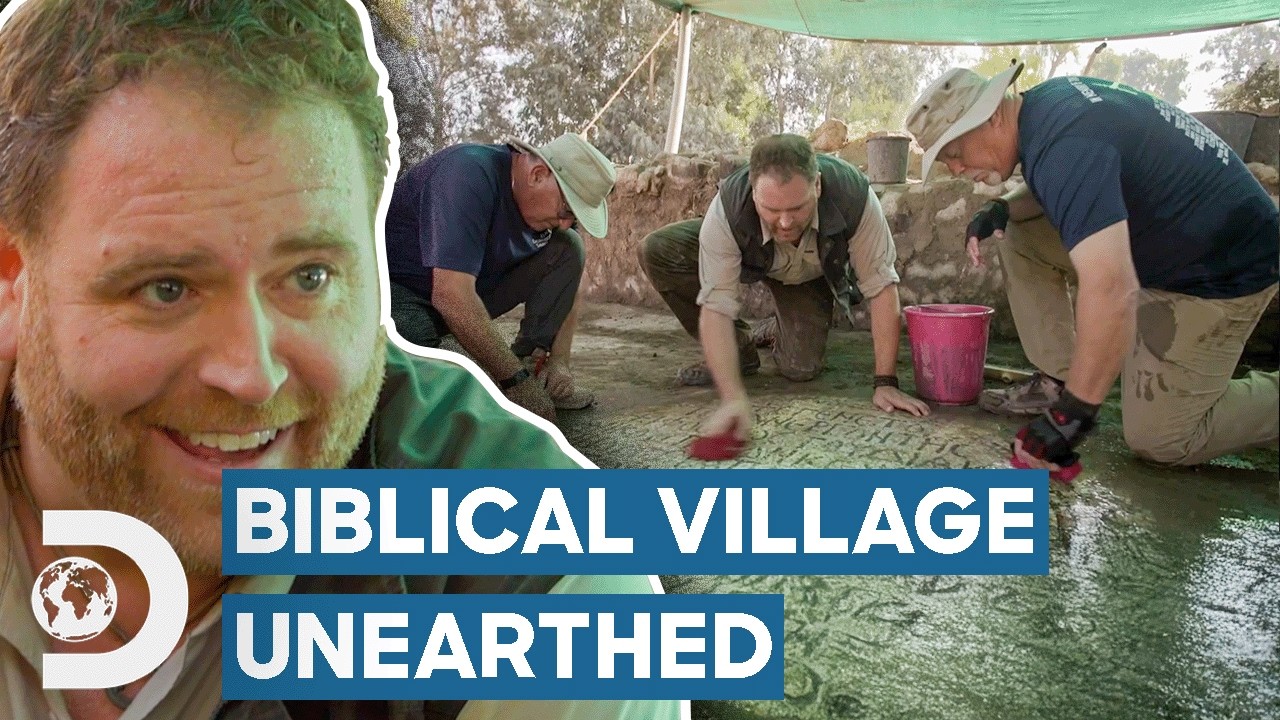
For centuries, historians, theologians, and archaeologists have searched for physical evidence of places mentioned in the Bible. One of the most intriguing of these locations is Bethsaida, a fishing village closely connected with the life and ministry of Jesus Christ. According to the New Testament, Bethsaida was the hometown of several of Jesus’ disciples and the setting for important miracles.
In a fascinating episode of Expedition Unknown, explorer Josh Gates joins Israeli archaeologists in the search for the lost biblical town. The investigation blends scientific research, ancient texts, and hands-on excavation as the team attempts to answer a question that has puzzled scholars for generations: Where exactly was Bethsaida located?
The Biblical Significance of Bethsaida
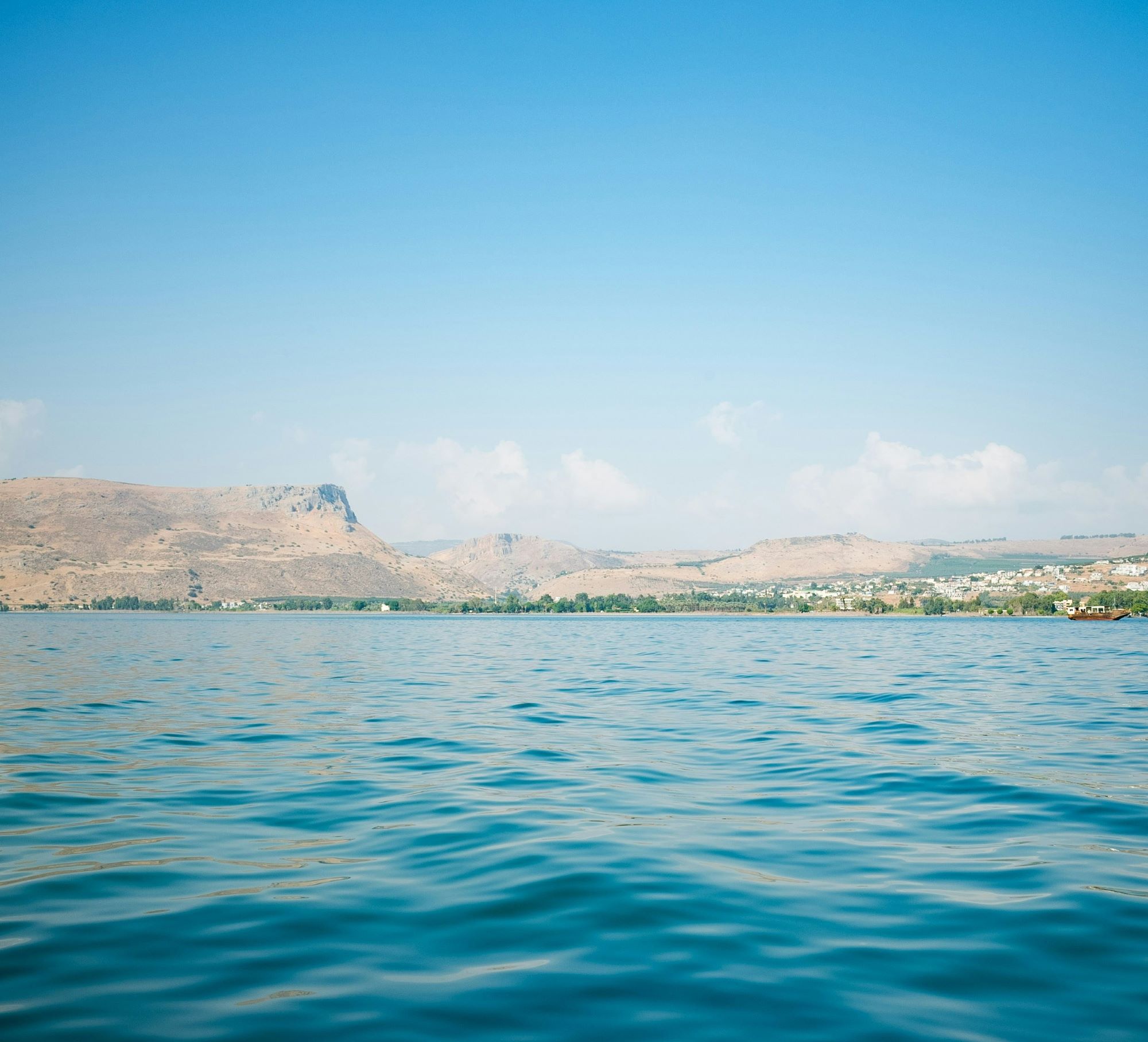
Bethsaida is mentioned several times in the New Testament and holds an important place in Christian tradition. The Gospel accounts describe it as a fishing village on the northern shore of the Sea of Galilee.
Several of Jesus’ earliest followers were said to come from Bethsaida, including the apostles Peter the Apostle, Andrew the Apostle, and Philip the Apostle. The town is also associated with the miracle of the healing of a blind man and the famous feeding of the five thousand.


Because of these connections, locating Bethsaida has enormous historical and religious importance. However, the exact location of the town has been debated for decades. Changes in the landscape around the Sea of Galilee, including shifting river channels and sediment deposits, may have buried or moved the shoreline over time.
Archaeologists Search for the Lost Town
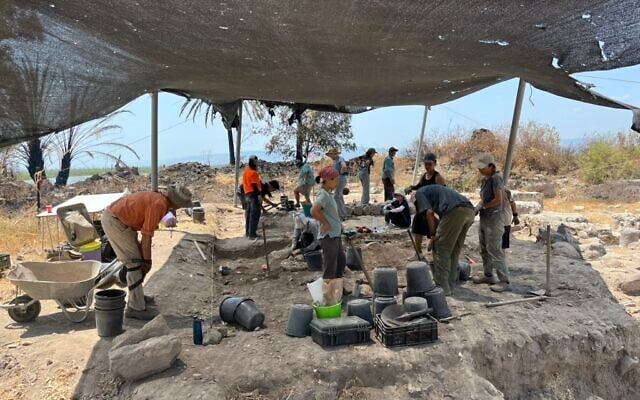

Josh Gates travels to Israel to meet a team of archaeologists working to uncover evidence of the ancient town. Their research focuses on two major candidate sites near the Sea of Galilee, both of which have produced artifacts dating back to the Roman period.
One of the most promising locations is et-Tell, a large archaeological mound that contains layers of ancient settlements. Excavations here have revealed city gates, homes, and pottery from the time when Bethsaida would have existed.
Another potential site lies closer to the modern shoreline, where archaeologists have discovered the remains of a Roman-era fishing village. Determining which location truly represents the biblical Bethsaida has become one of the most fascinating mysteries in biblical archaeology.
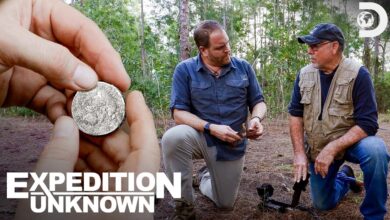
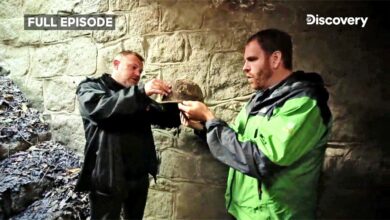
Josh joins the team in the field, experiencing firsthand how archaeologists carefully uncover artifacts. Every brush of soil could reveal fragments of pottery, coins, or building stones that help reconstruct the past.
A City Beneath the Soil
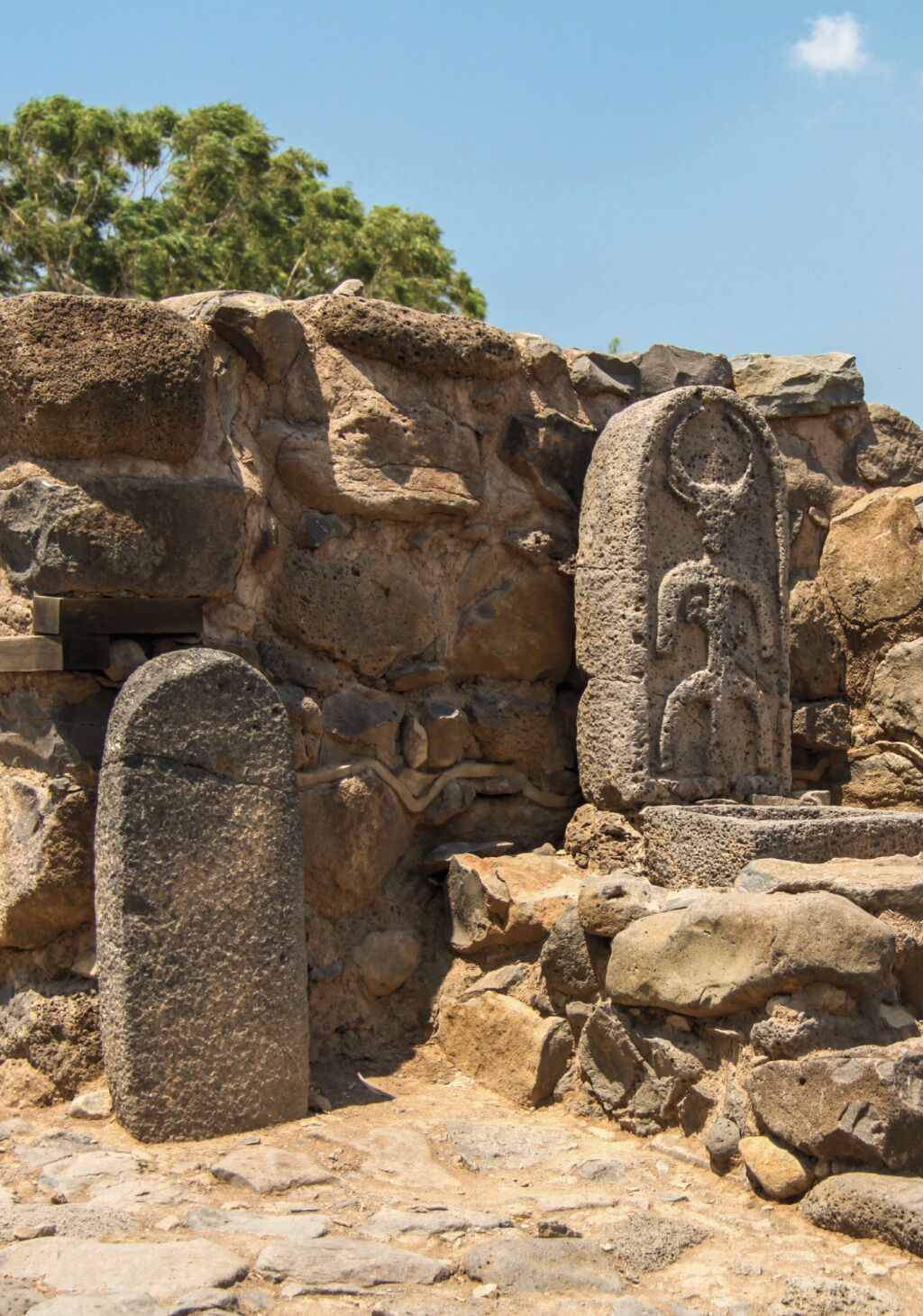


As the excavation continues, the team uncovers impressive architectural remains. Massive stone walls and building foundations suggest the site was once a significant settlement rather than a small village.
Among the discoveries are fragments of pottery, tools, and coins that date back roughly 2,000 years—the exact time period when Bethsaida would have been active. These artifacts offer valuable clues about daily life in the ancient town.
Archaeologists believe the settlement may have expanded during the Roman period when the ruler Herod Philip reportedly elevated Bethsaida to city status and renamed it Julias. Historical writings from the Jewish historian Flavius Josephus support the idea that Bethsaida grew into an important regional center during this time.
Such evidence strengthens the argument that the site being excavated could indeed be the biblical town described in ancient texts.
Reconstructing Life in Ancient Bethsaida


If the site truly represents Bethsaida, it offers a rare glimpse into life during the time of Jesus. Archaeological evidence suggests that fishing played a central role in the town’s economy. Nets, hooks, and other fishing equipment discovered in the region support the biblical description of Bethsaida as a community of fishermen.
The proximity to the Sea of Galilee would have made the town an important center for trade and travel. Boats carrying fish and goods would have moved between nearby towns such as Capernaum and Magdala.
By studying these artifacts and structures, archaeologists can reconstruct what daily life may have looked like—families repairing nets, traders selling fish in markets, and travelers passing through the town along ancient roads.
Josh Gates and the Thrill of Discovery
The appeal of Expedition Unknown lies in its ability to turn academic research into an exciting adventure. Josh Gates approaches history not only as a storyteller but also as an explorer eager to experience the search firsthand.
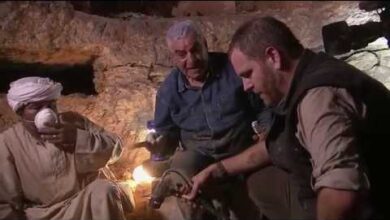
During the investigation, Gates participates in the excavation, interviews experts, and explores the surrounding landscape. His journey demonstrates how modern archaeology combines science, historical texts, and physical exploration to uncover forgotten chapters of human history.
The search for Bethsaida is especially captivating because it sits at the intersection of history, religion, and archaeology. Each discovery adds a new piece to the puzzle of understanding the world described in biblical narratives.
A Window Into the Past

Standing near the shores of the Sea of Galilee, it is easy to imagine what the region might have looked like two thousand years ago. Fishing boats once crossed the same waters, and small villages dotted the landscape.
Discoveries made by archaeologists—and documented by Josh Gates on Expedition Unknown—help bring these ancient scenes back to life. Whether through stone walls, pottery fragments, or ancient tools, the past slowly emerges from beneath layers of soil.
The search for Bethsaida is far from over. Archaeologists continue to study the sites, analyze artifacts, and debate the evidence. But each excavation brings researchers closer to confirming the location of one of the most significant towns mentioned in the New Testament.
✅ Conclusion
The quest to find Bethsaida highlights the power of archaeology to illuminate history that once seemed lost. Through collaboration with Israeli archaeologists, Josh Gates helps showcase the painstaking work required to uncover ancient civilizations.
If the excavations ultimately confirm the location of Bethsaida, it would represent one of the most important biblical archaeological discoveries in modern times. Until then, the mystery continues to inspire explorers, historians, and viewers around the world.
For fans of Expedition Unknown, the journey itself—filled with discovery, history, and adventure—is just as thrilling as the final answer.
DL