Deciphering The Oldest Original Copy Of The 10 Commandments | Expedition Unkown
Deciphering The Oldest Original Copy Of The 10 Commandments | Expedition Unkown
 DL
DL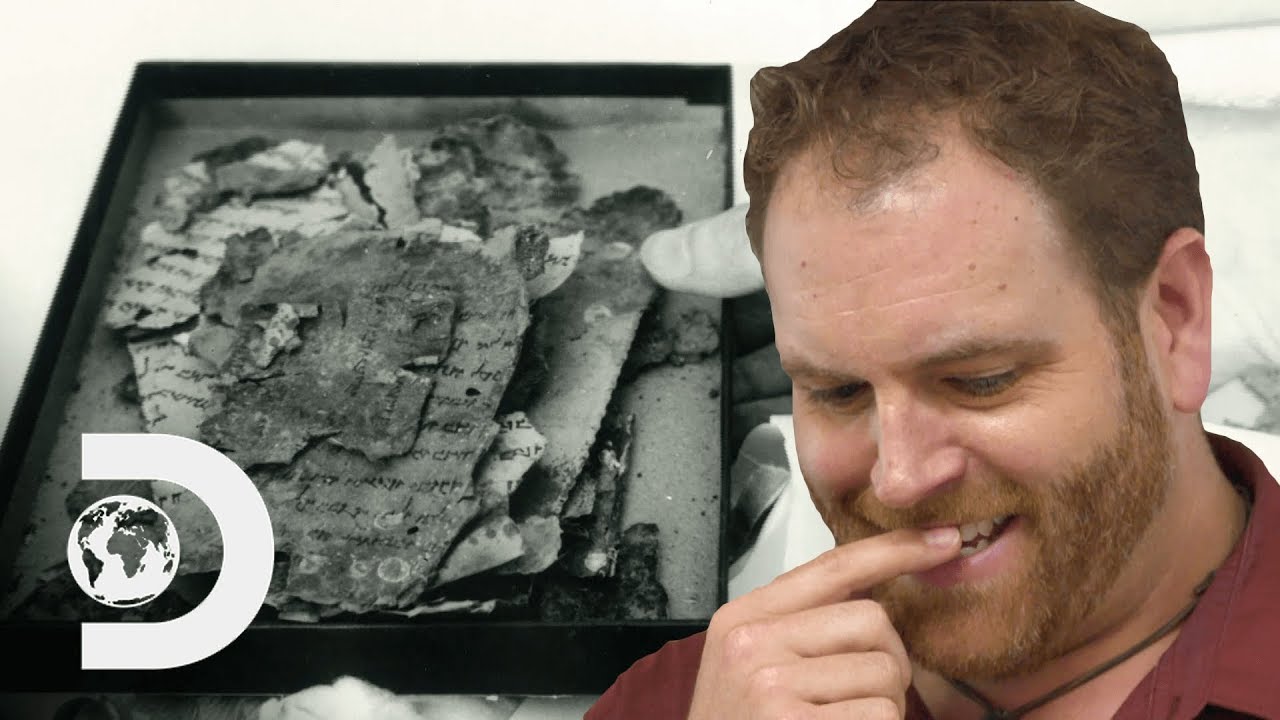
For thousands of years, the Ten Commandments have stood as one of the most influential moral codes in human history. Found in the Hebrew Bible and central to Judaism and Christianity, these ancient laws shaped religious traditions, legal systems, and ethical beliefs across civilizations.
But what if we could examine one of the earliest surviving written copies of these commandments?
In a fascinating episode of Expedition Unknown, explorer Josh Gates travels deep into the world of archaeology, ancient manuscripts, and biblical scholarship to investigate what may be one of the oldest surviving written versions of the Ten Commandments.
The quest is not just about religion—it’s about decoding history itself.




The Ancient Origins of the Ten Commandments


According to the Bible, the Ten Commandments were given to Moses on Mount Sinai thousands of years ago. These laws, which include commandments such as “You shall not steal” and “You shall not bear false witness,” became foundational to the ethical traditions of Western civilization.
However, the original stone tablets described in scripture were never recovered. Over centuries, the commandments were copied and preserved by scribes who carefully reproduced sacred texts on parchment scrolls.
Because manuscripts were hand-copied for generations, each surviving document offers scholars valuable insight into how these sacred words were preserved and transmitted through history.
Some of these manuscripts are extraordinarily ancient, dating back more than a thousand years.
And that is exactly what Gates set out to investigate.
The Discovery of an Ancient Manuscript
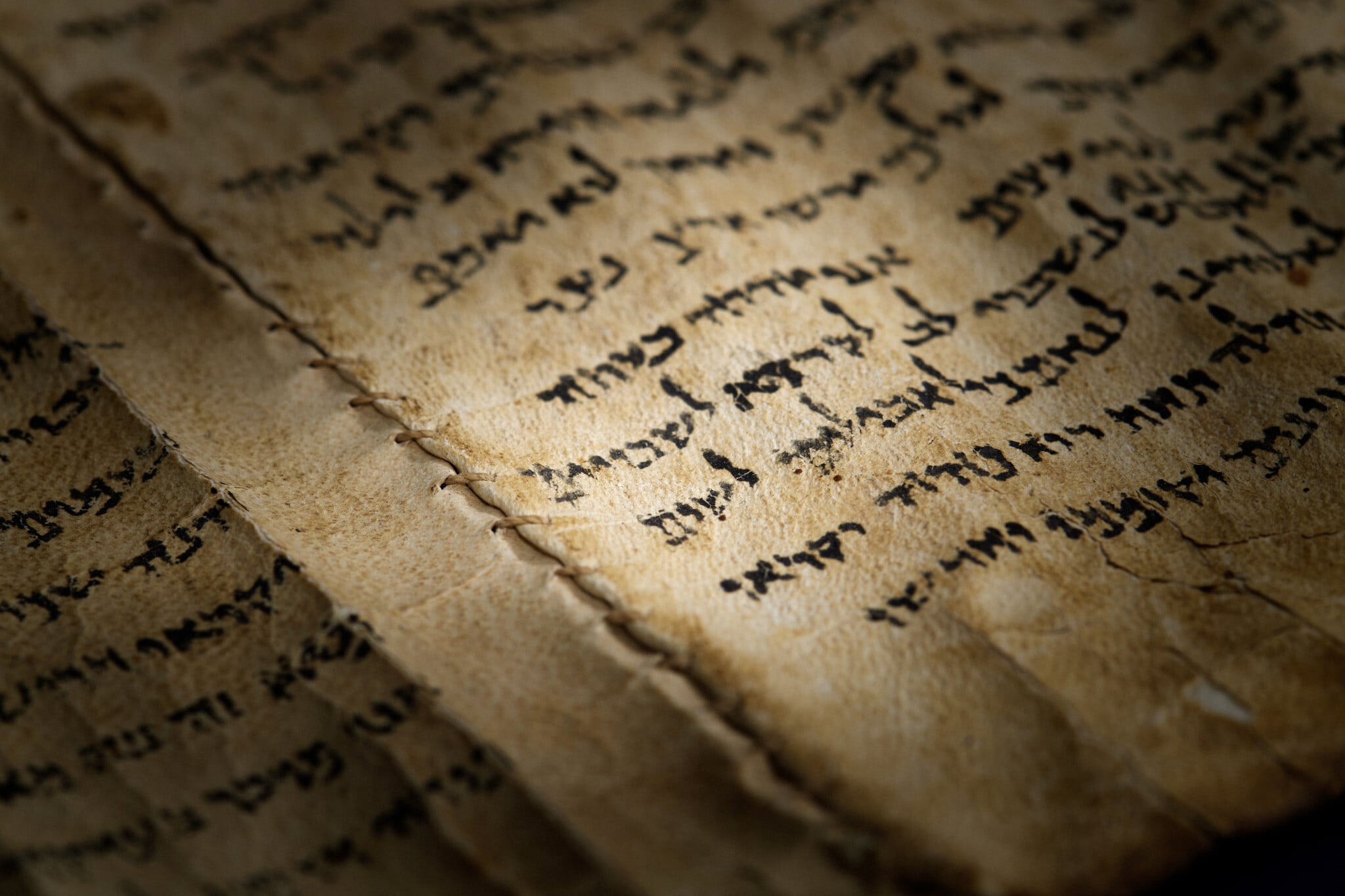


During his journey, Gates examines an extremely old manuscript believed to contain one of the earliest written copies of the Ten Commandments.
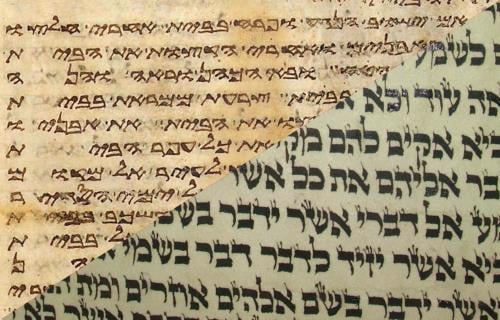
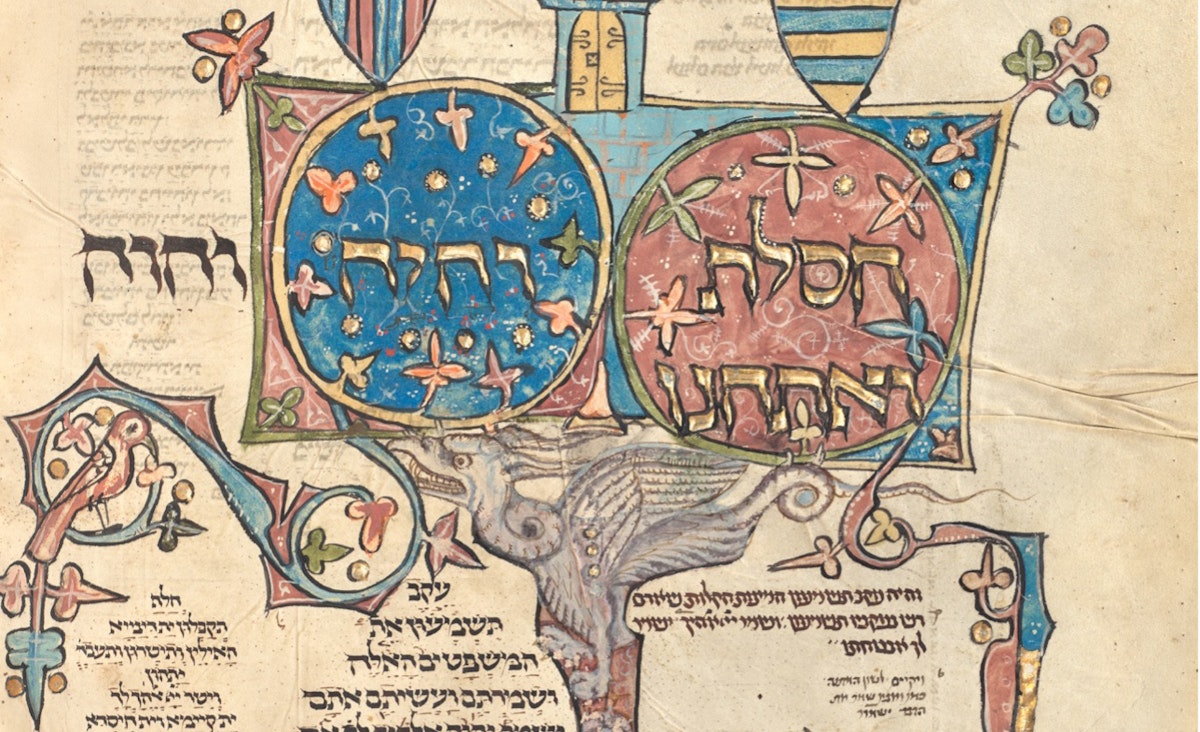
The document is written in ancient Hebrew script and preserved on delicate parchment that has survived centuries of time.
Such manuscripts are rare treasures. Many ancient religious texts were destroyed through war, natural disasters, or simple deterioration over time. Those that remain are carefully protected in museums and archives around the world.
Experts who study these documents—known as paleographers—analyze handwriting styles, ink composition, and parchment materials to determine when and where a manuscript was created.
Even small differences in lettering can reveal important historical details.
The Challenge of Deciphering Ancient Texts

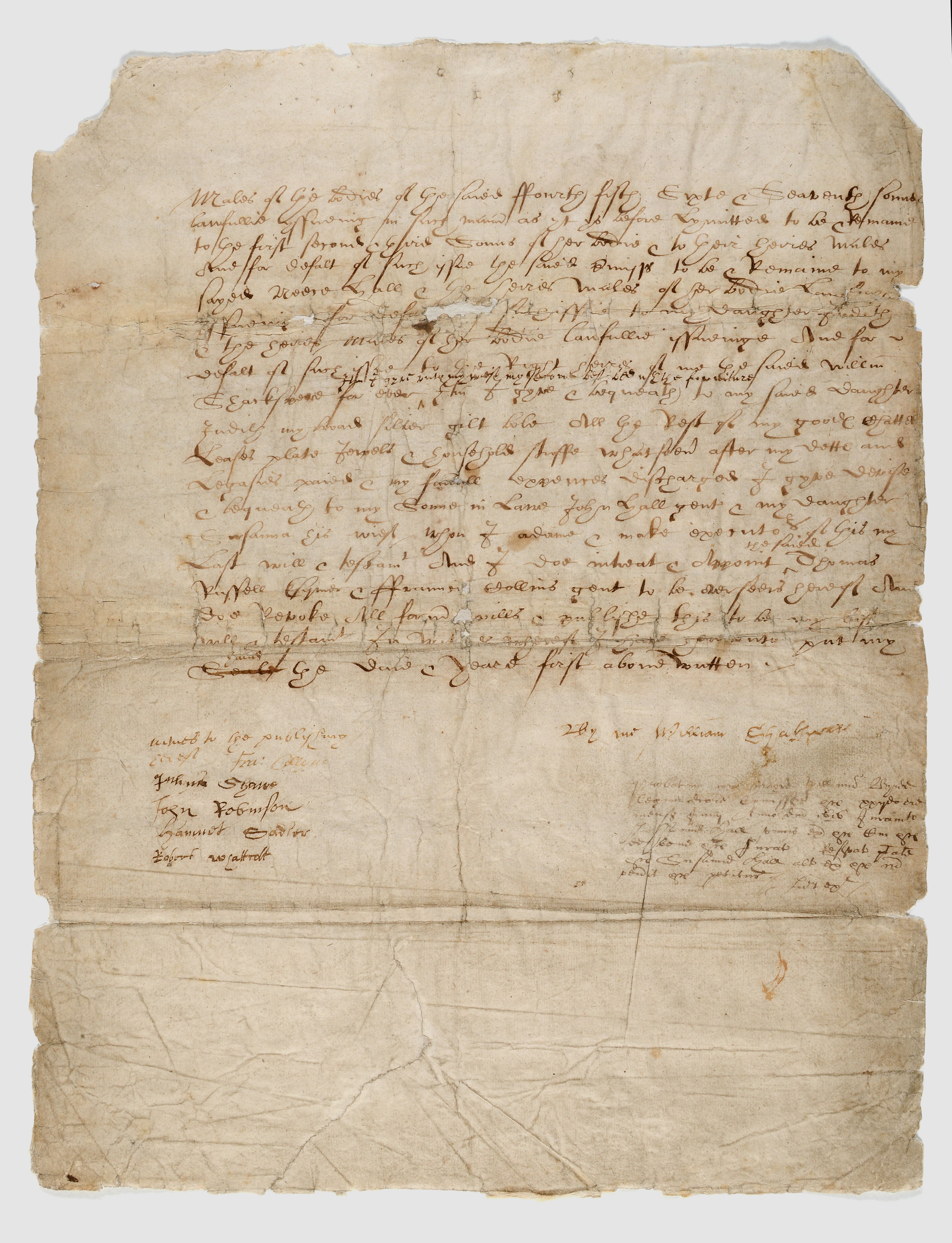
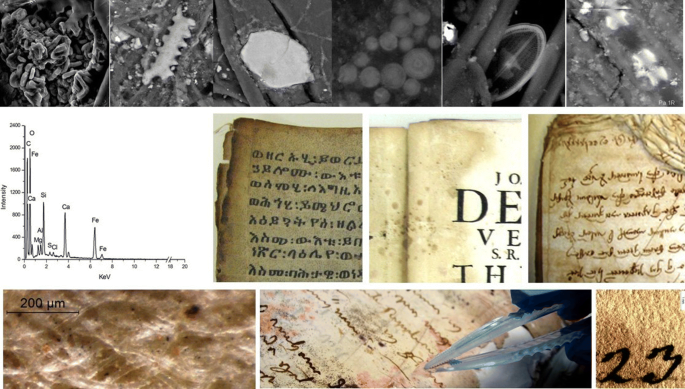
Deciphering ancient manuscripts is far from easy. Many documents are damaged, faded, or partially missing. Ink may have worn away after centuries of exposure to light and air.
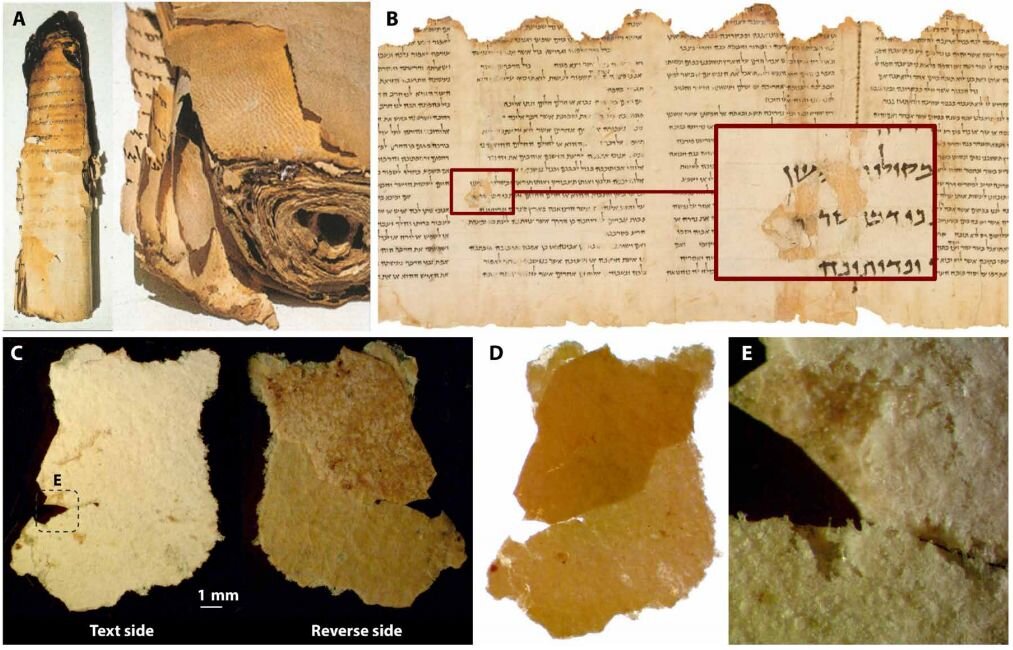
To study the text safely, researchers often rely on advanced imaging technologies. Multispectral scanning allows scientists to reveal letters that are invisible to the human eye by capturing images at different wavelengths of light.
This technology can sometimes recover entire passages that were previously unreadable.
In the case of the ancient Ten Commandments manuscript, scholars carefully analyzed the lettering and compared it with other historical texts.
Their goal was to confirm the document’s authenticity and determine just how old it might be.
Clues Hidden in the Writing

One of the most fascinating aspects of studying ancient manuscripts is how the writing itself provides clues about history.
For example, early Hebrew scripts evolved over time. The shapes of letters changed slightly across centuries, much like modern handwriting styles vary between generations.
By comparing the writing in the manuscript with other dated texts, scholars can estimate when the document was written.
In the manuscript Gates investigates, the script appears consistent with early medieval Hebrew writing traditions.
This suggests the document may date back more than a thousand years—making it one of the oldest surviving copies of the Ten Commandments ever discovered.
Why Ancient Copies Matter


You might wonder why ancient copies are so important when modern versions of the Bible are widely available.
The answer lies in textual history.
Scholars compare ancient manuscripts to see whether the wording of religious texts has changed over time. By examining multiple copies from different centuries, researchers can reconstruct how the original text may have appeared.
Remarkably, studies of ancient biblical manuscripts have shown that many passages remained extremely consistent over centuries of copying.
This suggests that scribes took extraordinary care in preserving these sacred writings.
Each newly discovered manuscript helps strengthen our understanding of how these texts were transmitted through generations.
A Window Into the Ancient World
The investigation led by Josh Gates highlights the incredible intersection between archaeology, religion, and history.
Ancient manuscripts are more than just old documents—they are voices from the past.
They reveal how people worshiped, how they recorded their beliefs, and how knowledge was preserved long before the invention of the printing press.
For historians, every fragment of parchment tells a story about the civilizations that created it.
Continuing the Search for History
The episode of Expedition Unknown demonstrates how modern exploration can bring ancient history back into the spotlight.
While the original stone tablets of the Ten Commandments described in biblical tradition may never be found, manuscripts like the one Gates studies provide a powerful connection to the past.
Through careful research, advanced technology, and international collaboration, scholars continue to uncover pieces of humanity’s oldest written traditions.
And as long as these ancient documents survive, the story of the Ten Commandments—and their influence on human civilization—will continue to be explored and understood.
The mystery may not be fully solved, but each discovery brings us one step closer to understanding the origins of one of the most important texts in history.
DL